 PlantFun
Tansy Toxic?
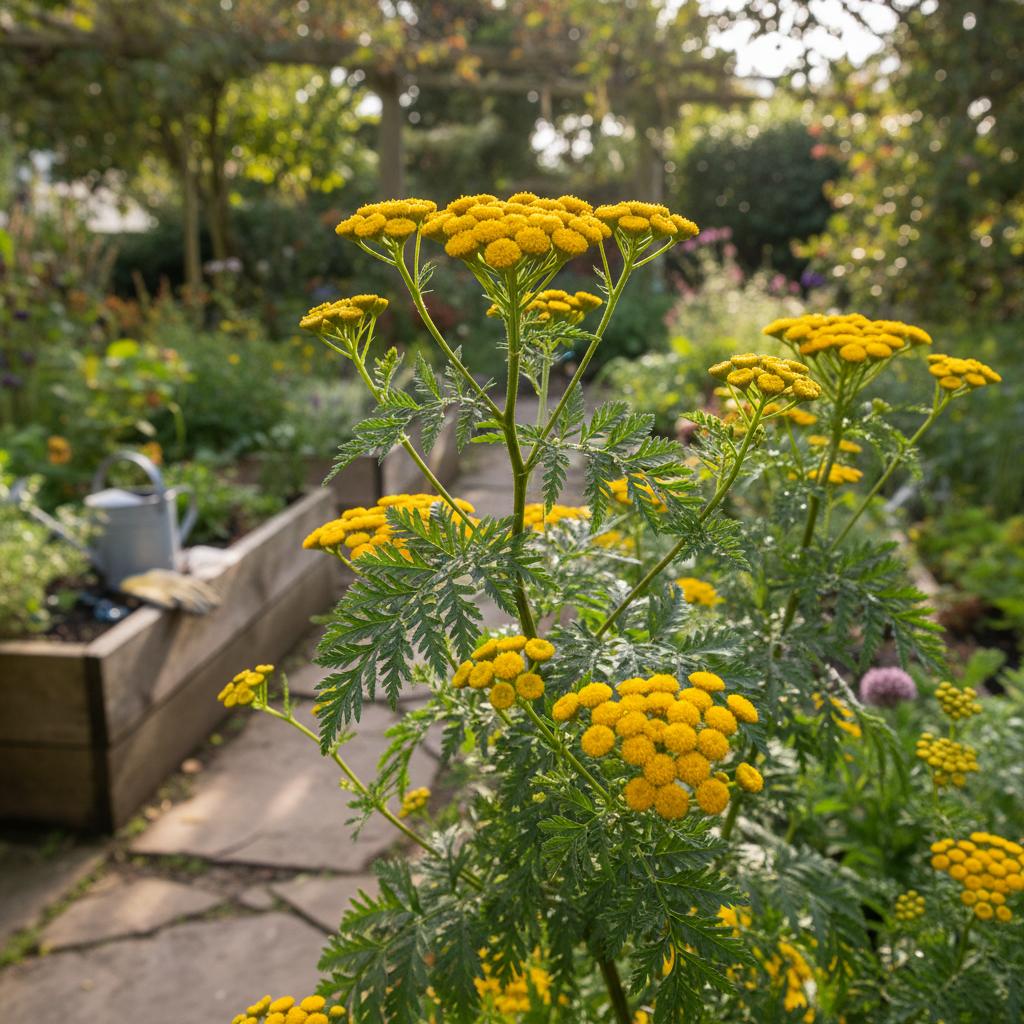
All parts of the tansy plant are toxic, containing harmful components including beta-thujone and sesquiterpene lactones
Ingestion can trigger neurological symptoms, mucous membrane irritation, and permanent liver or kidney damage in affected animals
Dairy products from livestock that graze on tansy develop an intense unpleasant odor and bitter taste that makes them unfit for consumption
FAQ
Is Tansy toxic to Humans?
Limited formal human toxicity data exists; suspected to cause mucous membrane irritation, neurological distress, and liver/kidney damage if large quantities are ingested (Moderate)
Is Tansy toxic to Cats?
No species-specific symptom data is available; seek immediate veterinary care if ingestion is suspected (Unknown)
Is Tansy toxic to Dogs?
No species-specific symptom data is available; seek immediate veterinary care if ingestion is suspected (Unknown)
Is Tansy toxic to Horses?
No species-specific symptom data is available; seek immediate veterinary care if ingestion is suspected (Unknown)
Toxicity Details
Limited formal human toxicity data exists; suspected to cause mucous membrane irritation, neurological distress, and liver/kidney damage if large quantities are ingested
No species-specific symptom data is available; seek immediate veterinary care if ingestion is suspected
No species-specific symptom data is available; seek immediate veterinary care if ingestion is suspected
No species-specific symptom data is available; seek immediate veterinary care if ingestion is suspected
Toxicity Snapshot
First Aid & Prevention
First 30 Minutes
- • Remove all remaining plant material from the mouth, skin, or exposed area immediately
- • Rinse exposed skin or mucous membranes with cool clean water for 10 to 15 minutes
- • Do not induce vomiting unless explicitly directed to do so by a medical or veterinary professional
Contact Vet Immediately
- • Any confirmed or suspected ingestion of tansy plant material or essential oil
- • Development of neurological symptoms including dizziness, tremors, or vision changes after exposure
- • Signs of mucous membrane irritation, abdominal pain, or unusual behavior after contact with the plant
Prevention
- • Avoid planting tansy in areas accessible to pets, livestock, or unsupervised young children
- • Do not consume dairy products from livestock that may have grazed on tansy plants
- • Wear protective gloves when handling tansy to avoid skin irritation
Treatment & Prognosis
- • Perform decontamination (e.g. activated charcoal administration) as directed by a medical professional
- • Provide targeted symptomatic supportive care, including fluid therapy to protect liver and kidney function
- • Monitor liver and kidney values for at least 72 hours after confirmed exposure to catch delayed adverse effects
Professional Toxicology
• Beta-thujone exerts neurotoxic effects that disrupt central nervous system function
• Sesquiterpene lactones trigger local irritation of mucous membranes and soft tissue
• Toxic compounds are metabolized in the liver and excreted via the kidneys, leading to dose-dependent organ damage
Information from CliniTox veterinary text.
The following plants look similar and may be confused:
Related Toxic Plants



Download PlantFun App
Identify, grow and care for plants effectively!
Instant Plant ID
Take a photo to quickly identify plants.
Smart Care Reminders
Generate watering and care schedules.
Toxicity & Disease Diagnosis
Identify toxic plants and pests with treatment advice.

Data Sources
This information is for reference only and does not constitute medical advice. If ingestion or poisoning is suspected, seek medical or veterinary attention immediately.