 PlantFun
Hoary Alyssum Toxic?
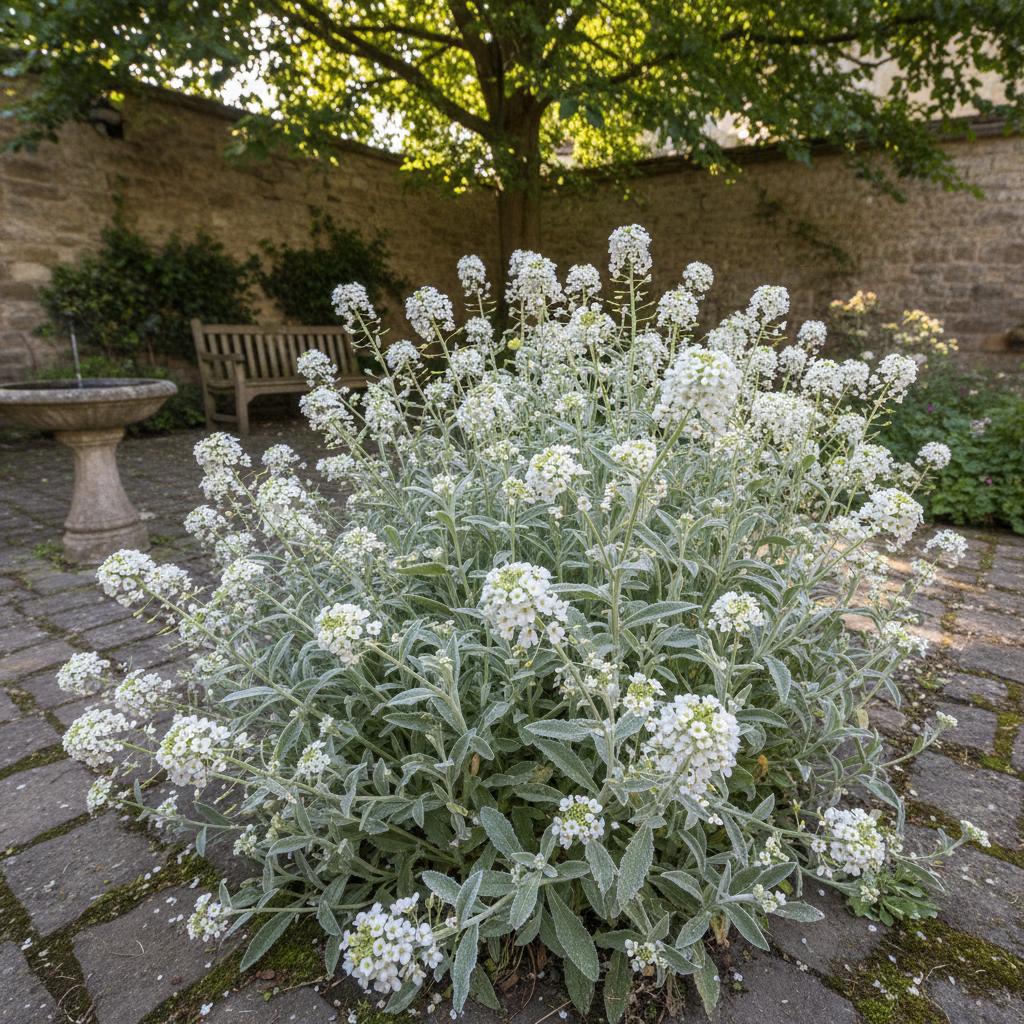
Non-toxic to cats and dogs, only poses confirmed toxicity risk to horses
All parts of the plant are toxic, including dried material in hay or forage
Symptoms appear 18-36 hours post-exposure, severe cases can cause death within 72 hours
FAQ
Is Hoary Alyssum toxic to Humans?
No reported toxicity cases in humans per available clinical data (Non-toxic)
Is Hoary Alyssum toxic to Cats?
No known toxicity, no associated adverse symptoms reported (Non-toxic)
Is Hoary Alyssum toxic to Dogs?
No known toxicity, no associated adverse symptoms reported (Non-toxic)
Is Hoary Alyssum toxic to Horses?
18-36 hour latency period; symptoms include lethargy, distal limb edema, laminitis, fever (>39°C), tachycardia (>50 bpm), tachypnea (>35 breaths/min), 8-10% dehydration, dark red mucous membranes, prolonged capillary refill time, hematuria, bloody diarrhea, abdominal pain, abortion in pregnant mares, and death within 48-72 hours in severe cases. Most cases resolve in 2-4 days with treatment. (Moderate)
Toxicity Details
No reported toxicity cases in humans per available clinical data
No known toxicity, no associated adverse symptoms reported
No known toxicity, no associated adverse symptoms reported
18-36 hour latency period; symptoms include lethargy, distal limb edema, laminitis, fever (>39°C), tachycardia (>50 bpm), tachypnea (>35 breaths/min), 8-10% dehydration, dark red mucous membranes, prolonged capillary refill time, hematuria, bloody diarrhea, abdominal pain, abortion in pregnant mares, and death within 48-72 hours in severe cases. Most cases resolve in 2-4 days with treatment.
Toxicity Snapshot
First Aid & Prevention
First 30 Minutes
- • Immediately remove all confirmed or suspected Hoary Alyssum material from the horse's pasture, hay, and feed access
- • Do not induce vomiting unless explicitly instructed by a licensed equine veterinarian
- • Collect a sample of the ingested plant for official identification to guide treatment
Contact Vet Immediately
- • Horse has known or suspected exposure to Hoary Alyssum, even if no symptoms are visible
- • Any signs of limb swelling, lethargy, lameness, or fever appear in horses with access to potentially contaminated forage
- • Pregnant mares may have been exposed to the plant, due to high abortion risk
Prevention
- • Regularly inspect pastures and hay supplies for Hoary Alyssum, remove all identified plants immediately
- • Avoid feeding hay confirmed to contain Hoary Alyssum to horses, even in small quantities
- • Train farm staff to distinguish Hoary Alyssum from similar forage plants like alfalfa to prevent accidental exposure
Treatment & Prognosis
- • Perform decontamination per standard equine emergency toxicology protocols as directed by a veterinarian
- • Administer symptomatic care including phenylbutazone and cautiously administered DMSO (avoid fast injection to prevent intravascular hemolysis)
- • Provide supportive care including fluid therapy for dehydration, pain management for laminitis, and monitoring for abortion risk in pregnant mares
Professional Toxicology
• An as-yet unidentified toxin drives primary clinical toxicity in horses
• Glucosinolates in the plant are converted to toxic derivatives when the plant is damaged or metabolized by rumen flora
• Toxic activity remains stable even in dried plant material, making contaminated hay hazardous for equine consumption
Information from CliniTox veterinary text.
The following plants look similar and may be confused:
Related Toxic Plants
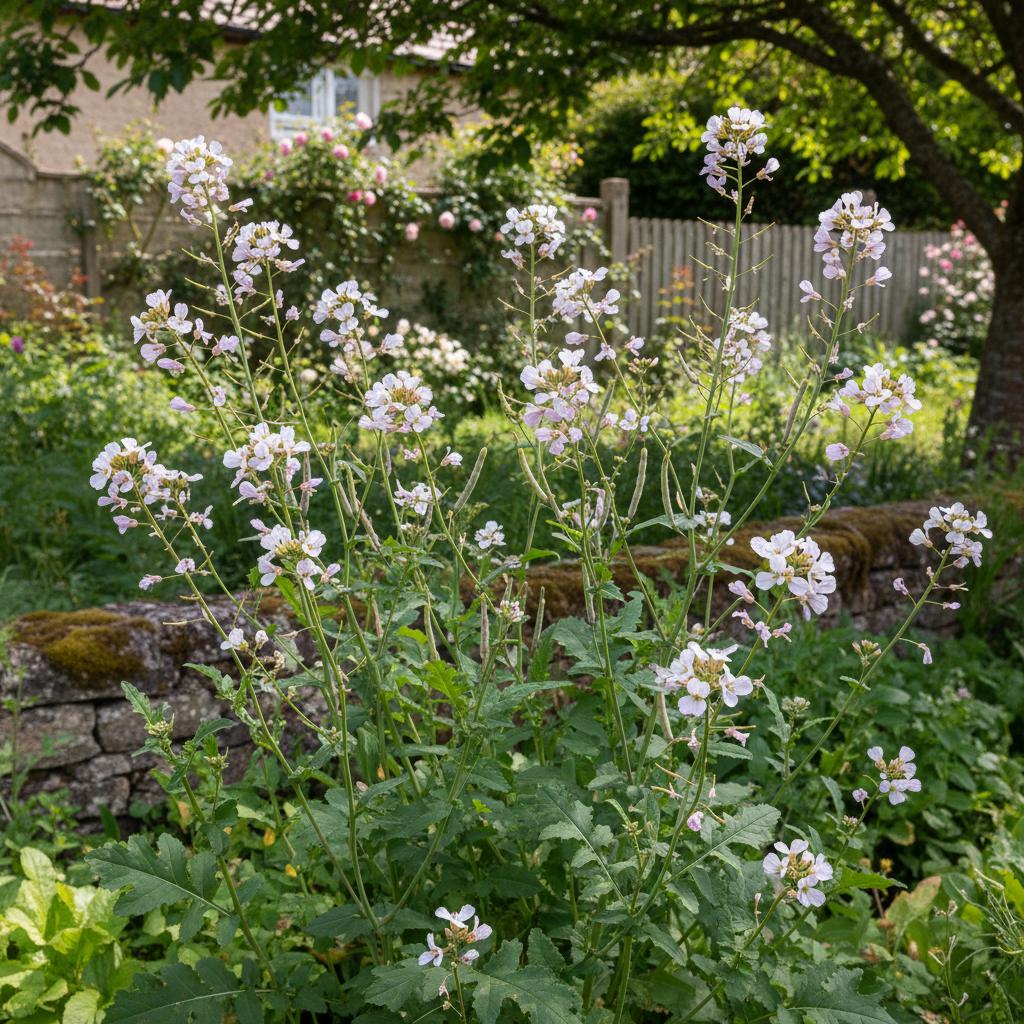
Download PlantFun App
Identify, grow and care for plants effectively!
Instant Plant ID
Take a photo to quickly identify plants.
Smart Care Reminders
Generate watering and care schedules.
Toxicity & Disease Diagnosis
Identify toxic plants and pests with treatment advice.

Data Sources
This information is for reference only and does not constitute medical advice. If ingestion or poisoning is suspected, seek medical or veterinary attention immediately.