 PlantFun
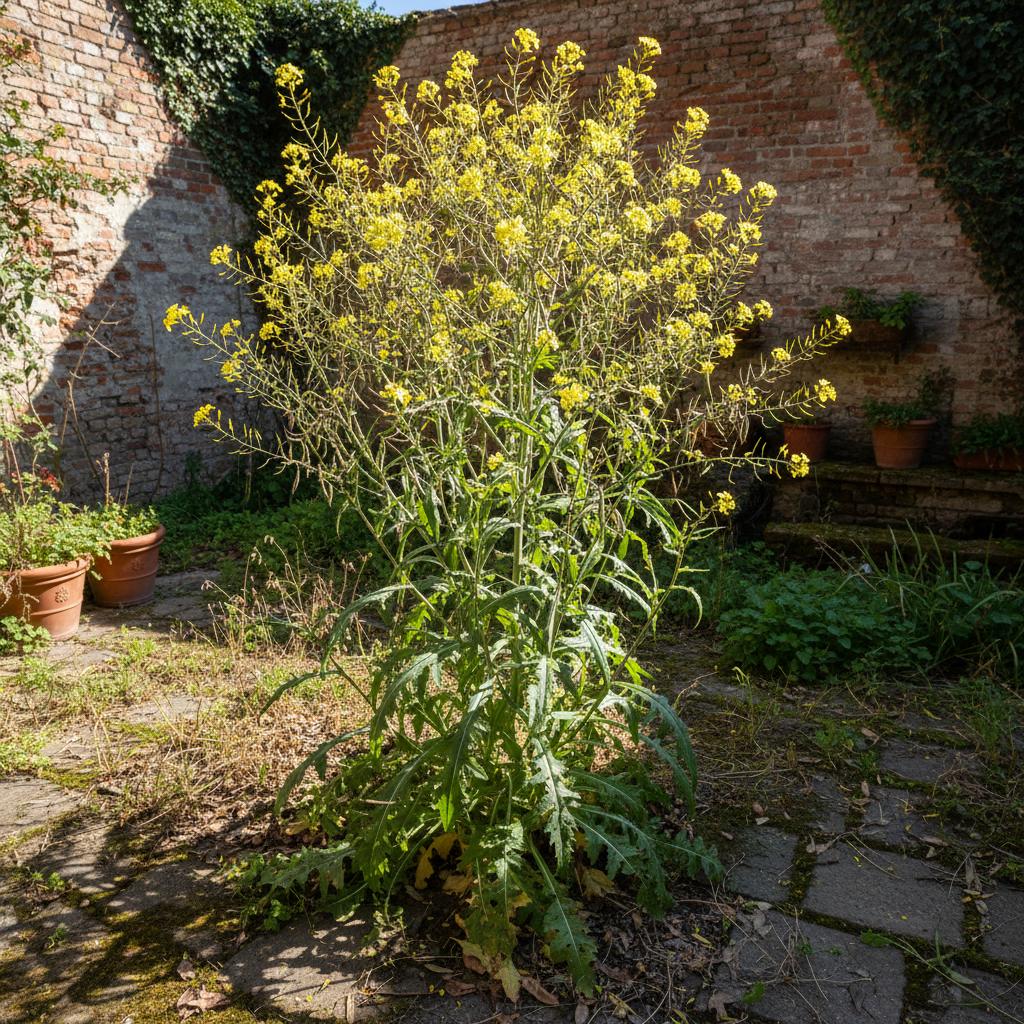
Yellowrocket Toxic?

Yellowrocket is completely non-toxic to domestic cats and dogs, with no confirmed adverse effects from standard ingestion
The plant is toxic to horses, with ingestion linked to painful gastrointestinal symptoms including colic
Toxic effects are driven by naturally occurring isothiocyanate compounds present in the plant's tissues
FAQ
Is Yellowrocket toxic to Humans?
No confirmed human toxicity data available; may cause mild gastrointestinal irritation if consumed in very large quantities (Non-toxic)
Is Yellowrocket toxic to Cats?
No reported toxic symptoms, ingestion is not associated with adverse health effects (Non-toxic)
Is Yellowrocket toxic to Dogs?
No reported toxic symptoms, ingestion is not associated with adverse health effects (Non-toxic)
Is Yellowrocket toxic to Horses?
Gastrointestinal mucosal irritation, abdominal pain (colic), and occasional diarrhea following ingestion (Low)
Toxicity Details
No confirmed human toxicity data available; may cause mild gastrointestinal irritation if consumed in very large quantities
No reported toxic symptoms, ingestion is not associated with adverse health effects
No reported toxic symptoms, ingestion is not associated with adverse health effects
Gastrointestinal mucosal irritation, abdominal pain (colic), and occasional diarrhea following ingestion
Toxicity Snapshot
First Aid & Prevention
First 30 Minutes
- • For horse ingestion: Immediately remove remaining plant material from the animal's access and mouth
- • For cat/dog ingestion: Monitor for unusual gastrointestinal signs, no emergency action is required for small ingestions
- • Document the volume of plant ingested and exposure time to share with a veterinarian if symptoms develop
Contact Vet Immediately
- • A horse has ingested any quantity of yellowrocket, even if no symptoms are visible yet
- • A horse displays signs of colic, abdominal discomfort, or reduced appetite after potential exposure
- • A cat or dog displays persistent vomiting or diarrhea lasting longer than 2 hours after ingestion
Prevention
- • Remove all yellowrocket growth from horse pastures and feeding areas to avoid accidental ingestion
- • Store hay and livestock feed supplies away from areas where yellowrocket grows to prevent cross-contamination
- • Train horse owners and handlers to identify the plant to avoid unintended exposure during grazing
Treatment & Prognosis
- • For affected horses: Veterinary administration of gastrointestinal protectants and prescription pain relief for colic symptoms
- • Supportive fluid therapy may be provided to prevent dehydration linked to gastrointestinal irritation
- • Asymptomatic cats and dogs do not require any medical treatment post-ingestion
Professional Toxicology
• Isothiocyanate compounds irritate the soft mucosal lining of the gastrointestinal tract, triggering inflammation, pain, and digestive dysfunction that presents as colic in horses
Information from CliniTox veterinary text.
The following plants look similar and may be confused:
Related Toxic Plants
Download PlantFun App
Identify, grow and care for plants effectively!
Instant Plant ID
Take a photo to quickly identify plants.
Smart Care Reminders
Generate watering and care schedules.
Toxicity & Disease Diagnosis
Identify toxic plants and pests with treatment advice.

Data Sources
This information is for reference only and does not constitute medical advice. If ingestion or poisoning is suspected, seek medical or veterinary attention immediately.