 PlantFun
Giant yucca, Spineless yucca Toxic?
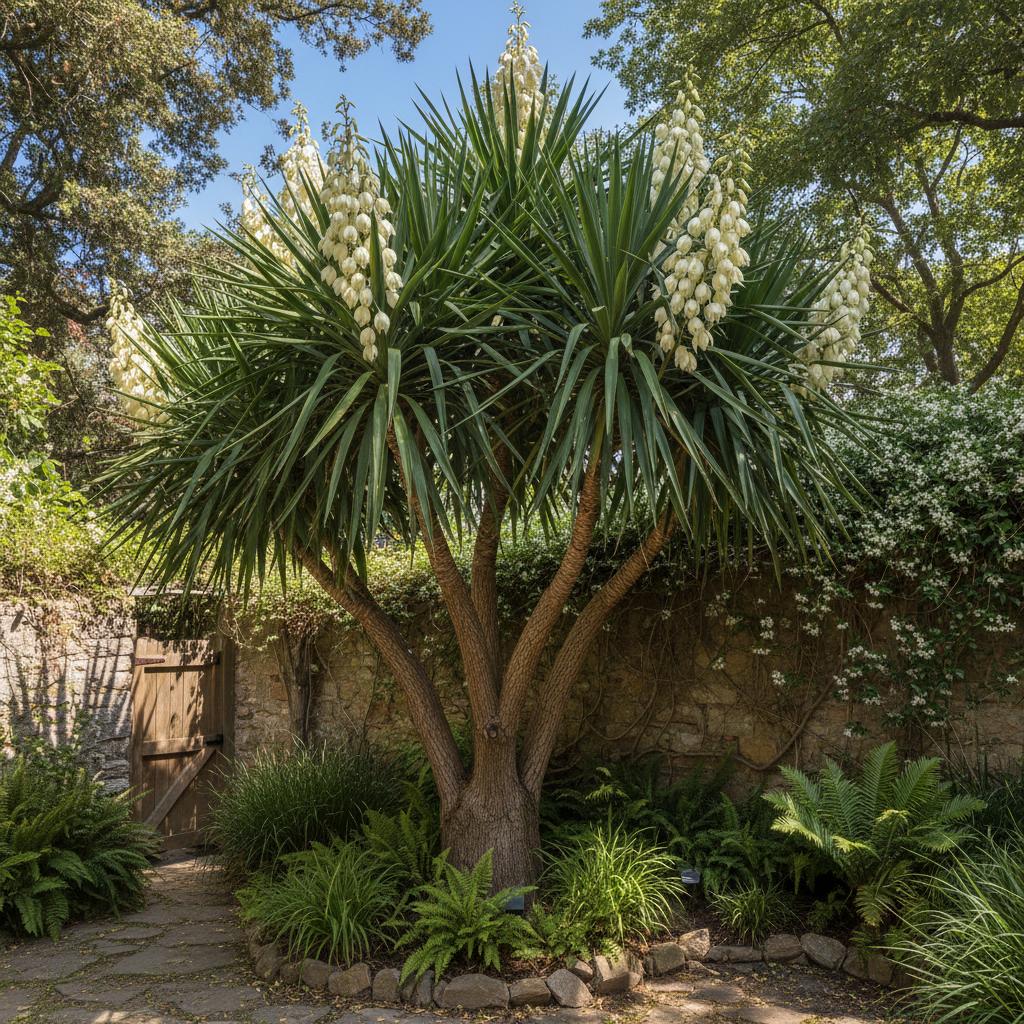
Leaf tissue contains saponins that can trigger mild skin irritation on contact
There are no documented animal poisoning cases from this species in existing literature
This plant is not approved for use as feed for any companion or livestock animals
FAQ
Is Giant yucca, Spineless yucca toxic to Humans?
Mild to moderate skin redness, itching, or rash on contact with leaf sap; no reported severe systemic toxicity (Low)
Is Giant yucca, Spineless yucca toxic to Cats?
No documented poisoning cases reported; potential mild temporary gastrointestinal upset if very large volumes are ingested (Non-toxic)
Is Giant yucca, Spineless yucca toxic to Dogs?
No documented poisoning cases reported; potential mild temporary gastrointestinal upset if very large volumes are ingested (Non-toxic)
Is Giant yucca, Spineless yucca toxic to Horses?
No documented poisoning cases reported; potential mild gastrointestinal irritation if consumed in large quantities as feed (Non-toxic)
Toxicity Details
Mild to moderate skin redness, itching, or rash on contact with leaf sap; no reported severe systemic toxicity
No documented poisoning cases reported; potential mild temporary gastrointestinal upset if very large volumes are ingested
No documented poisoning cases reported; potential mild temporary gastrointestinal upset if very large volumes are ingested
No documented poisoning cases reported; potential mild gastrointestinal irritation if consumed in large quantities as feed
Toxicity Snapshot
First Aid & Prevention
First 30 Minutes
- • Rinse affected skin with cool running water for 10-15 minutes immediately after contact with leaf sap
- • If ingested, rinse the mouth thoroughly with clean, cool water to remove residual plant material
- • Monitor exposed individuals or animals for signs of irritation for 24 hours post-exposure
Contact Vet Immediately
- • Your pet has ingested a large quantity of the plant
- • Your pet exhibits persistent vomiting, diarrhea, or severe skin irritation after exposure
- • Your horse has consumed significant amounts of the plant as part of its feed
Prevention
- • Wear gardening gloves when pruning or handling the plant to avoid skin contact with sap
- • Keep the plant out of reach of young children and curious companion animals
- • Never incorporate this plant into feed rations for any livestock or companion animals
Treatment & Prognosis
- • Symptomatic supportive care for dermal or gastrointestinal irritation
- • Administer antihistamines for severe skin reactions as directed by a medical or veterinary provider
- • Provide fluid therapy if significant gastrointestinal upset leads to dehydration
Professional Toxicology
• Saponin compounds in leaf tissue disrupt cell membranes in skin and mucous membranes, causing localized irritation
Information from CliniTox veterinary text.
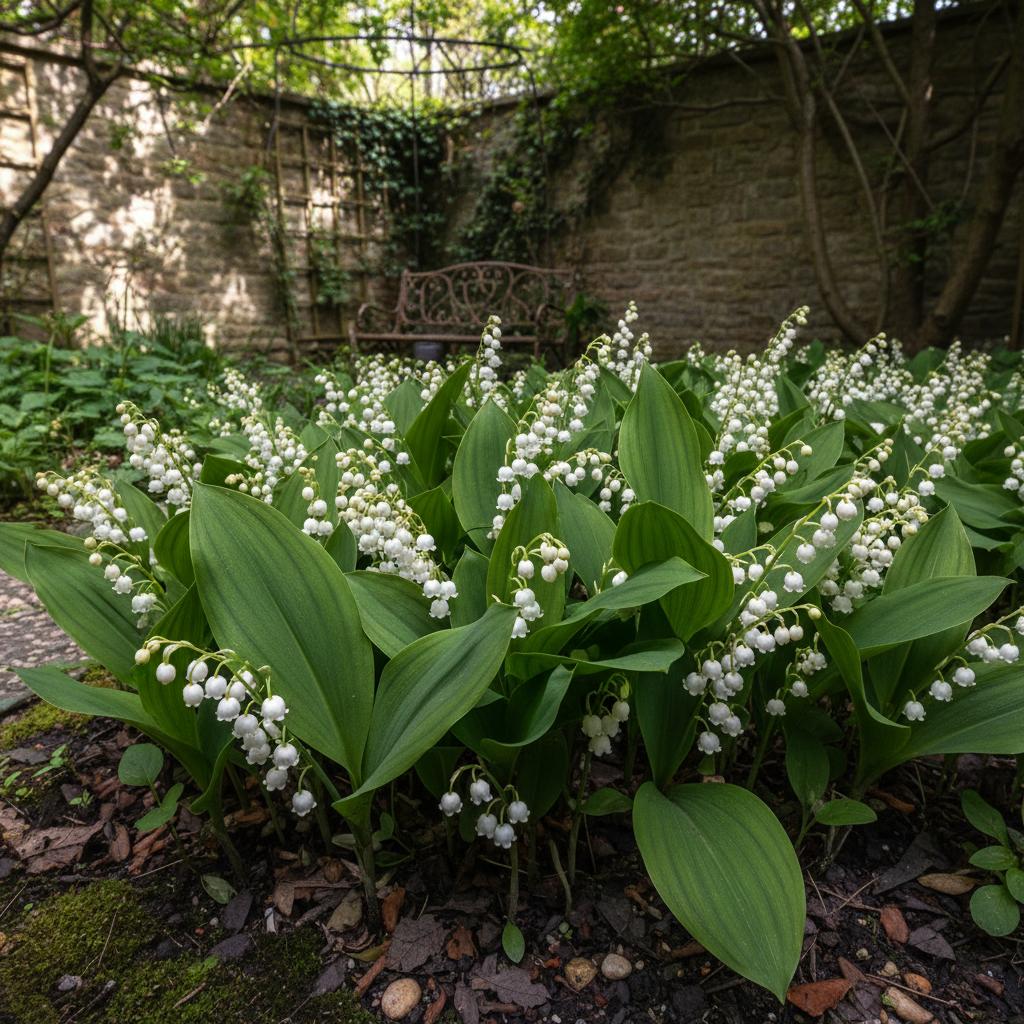
The following plants look similar and may be confused:
Related Toxic Plants


Download PlantFun App
Identify, grow and care for plants effectively!
Instant Plant ID
Take a photo to quickly identify plants.
Smart Care Reminders
Generate watering and care schedules.
Toxicity & Disease Diagnosis
Identify toxic plants and pests with treatment advice.

Data Sources
This information is for reference only and does not constitute medical advice. If ingestion or poisoning is suspected, seek medical or veterinary attention immediately.