 PlantFun
Mound lily yucca Toxic?

Leaves of this plant contain saponins that can trigger localized skin irritation on direct contact
No confirmed animal poisoning cases from Yucca gloriosa have been reported in scientific literature to date
This plant is not suitable to be used as feed for companion animals or livestock
FAQ
Is Mound lily yucca toxic to Humans?
Mild to moderate skin redness, itching, or swelling on contact with leaf sap; mild gastrointestinal upset may occur if large quantities are ingested (Low)
Is Mound lily yucca toxic to Cats?
No confirmed clinical poisoning symptoms reported; potential mild gastrointestinal irritation if large volumes of plant material are consumed (Non-toxic)
Is Mound lily yucca toxic to Dogs?
No confirmed clinical poisoning symptoms reported; potential mild gastrointestinal irritation if large volumes of plant material are consumed (Non-toxic)
Is Mound lily yucca toxic to Horses?
No confirmed clinical poisoning symptoms reported; potential mild gastrointestinal irritation if large volumes of plant material are consumed (Non-toxic)
Toxicity Details
Mild to moderate skin redness, itching, or swelling on contact with leaf sap; mild gastrointestinal upset may occur if large quantities are ingested
No confirmed clinical poisoning symptoms reported; potential mild gastrointestinal irritation if large volumes of plant material are consumed
No confirmed clinical poisoning symptoms reported; potential mild gastrointestinal irritation if large volumes of plant material are consumed
No confirmed clinical poisoning symptoms reported; potential mild gastrointestinal irritation if large volumes of plant material are consumed
Toxicity Snapshot
First Aid & Prevention
First 30 Minutes
- • For dermal exposure: Rinse affected skin thoroughly with cool, soapy water to remove residual plant sap
- • For ingestion: Rinse the mouth with clean water, and offer small sips of fresh water to dilute consumed plant material
- • Remove all remaining plant fragments from the exposure area to prevent further contact or consumption
Contact Vet Immediately
- • Your pet shows persistent skin redness, swelling, or discomfort 2+ hours after contact with the plant
- • Your companion animal or livestock has ingested large quantities of the plant and shows vomiting, diarrhea, or lethargy
- • You are unsure of the volume of plant material consumed by an animal under your care
Prevention
- • Keep potted Yucca gloriosa out of reach of young children and companion animals
- • Do not discard plant trimmings in areas accessible to livestock, pets, or foraging wildlife
- • Clearly label this plant if grown in shared gardens to avoid accidental use as animal feed
Treatment & Prognosis
- • For dermal irritation: Administer topical antihistamines or corticosteroids as directed by a medical or veterinary professional
- • For gastrointestinal symptoms: Provide supportive care including fluid therapy and anti-emetics as prescribed by a care provider
- • Monitor exposed individuals for 24-48 hours for any delayed adverse reactions
Professional Toxicology
• Saponin compounds in leaf tissue disrupt cell membranes on direct contact, leading to localized skin irritation
• Large volumes of ingested saponins may cause mild irritation of the gastrointestinal tract mucosa
Information from CliniTox veterinary text.
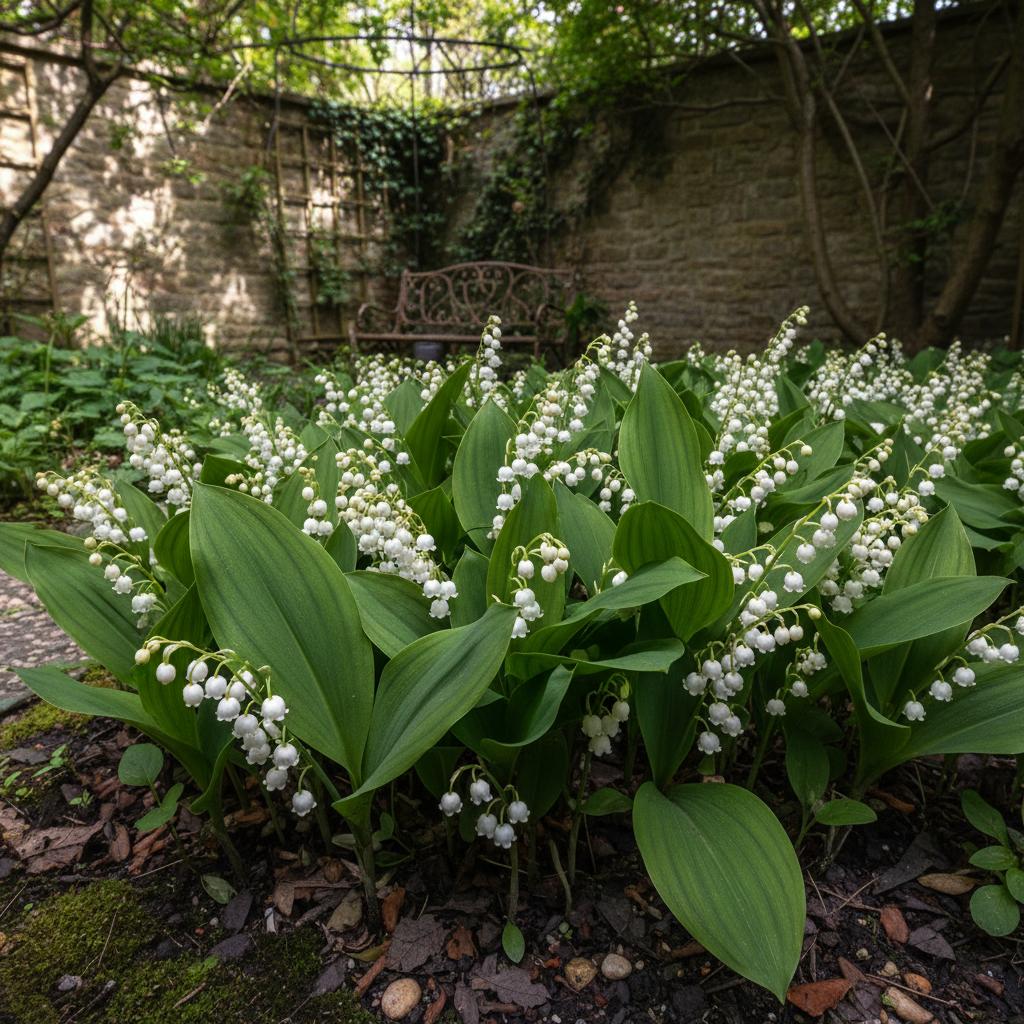
The following plants look similar and may be confused:
Related Toxic Plants


Download PlantFun App
Identify, grow and care for plants effectively!
Instant Plant ID
Take a photo to quickly identify plants.
Smart Care Reminders
Generate watering and care schedules.
Toxicity & Disease Diagnosis
Identify toxic plants and pests with treatment advice.

Data Sources
This information is for reference only and does not constitute medical advice. If ingestion or poisoning is suspected, seek medical or veterinary attention immediately.