 PlantFun
Vervain Toxic?
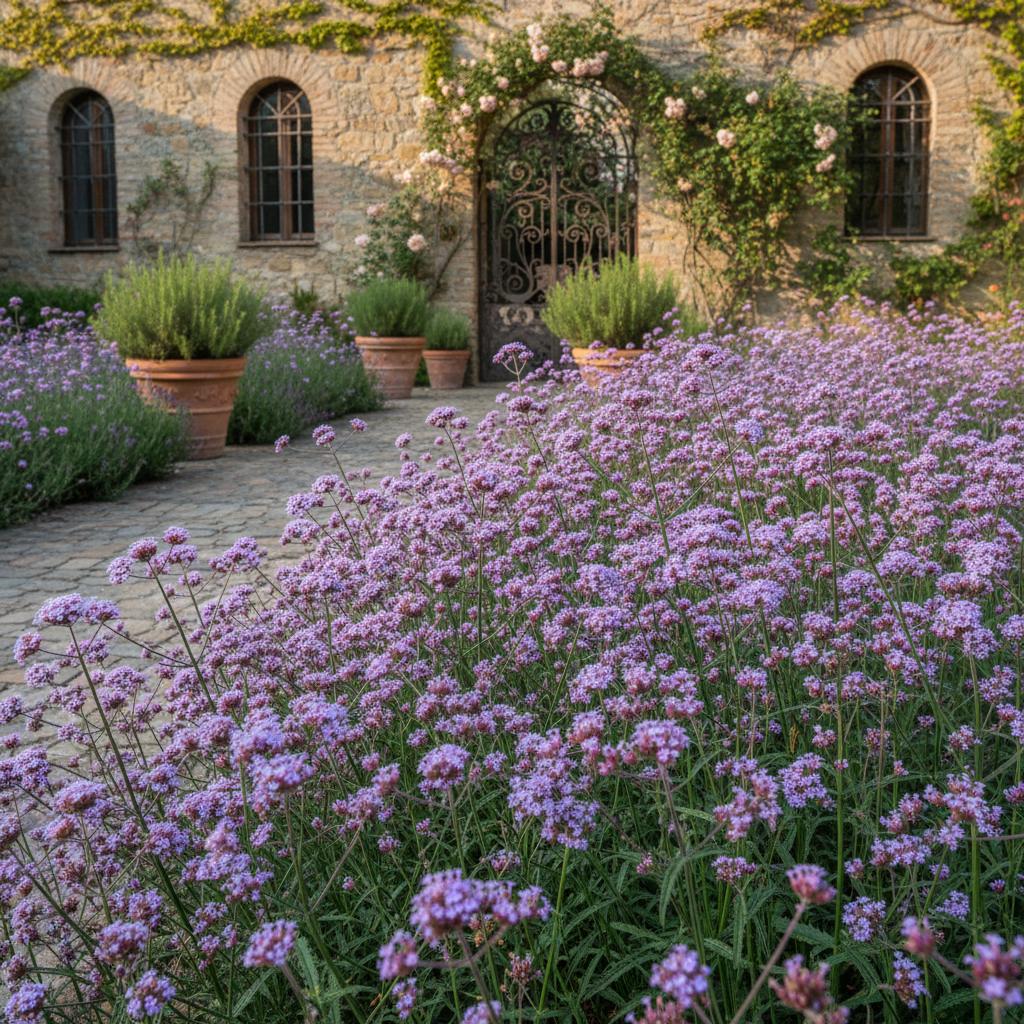
All parts of Vervain contain toxic compounds including iridoid glycosides and flavonoids
Ingestion may trigger phototoxic reactions leading to inflammation on light-pigmented skin areas
The plant is naturally avoided by grazing livestock like horses in most pasture settings
FAQ
Is Vervain toxic to Humans?
No specific human toxicity cases are formally documented; potential risk of phototoxic skin inflammation after ingestion or direct contact in sensitive groups (Low)
Is Vervain toxic to Cats?
Toxicity not formally studied; potential mild gastrointestinal upset and phototoxic skin irritation on light-furred areas if large amounts are ingested (Unknown)
Is Vervain toxic to Dogs?
Toxicity not formally studied; potential phototoxic redness/swelling on light-skinned areas and mild digestive distress after ingestion (Unknown)
Is Vervain toxic to Horses?
Typically avoided in pastures; ingestion may cause inflammatory, sun-linked lesions on unpigmented skin regions (Low)
Toxicity Details
No specific human toxicity cases are formally documented; potential risk of phototoxic skin inflammation after ingestion or direct contact in sensitive groups
Toxicity not formally studied; potential mild gastrointestinal upset and phototoxic skin irritation on light-furred areas if large amounts are ingested
Toxicity not formally studied; potential phototoxic redness/swelling on light-skinned areas and mild digestive distress after ingestion
Typically avoided in pastures; ingestion may cause inflammatory, sun-linked lesions on unpigmented skin regions
Toxicity Snapshot
First Aid & Prevention
First 30 Minutes
- • Remove any remaining plant material from the affected individual's (human/animal) mouth or skin immediately
- • Rinse exposed skin areas with cool running water for 10-15 minutes to remove residual plant sap
- • Move affected light-skinned individuals/animals out of direct sunlight to prevent phototoxic reaction escalation
Contact Vet Immediately
- • Your pet or livestock has ingested a large quantity of Vervain
- • Redness, swelling, blistering, or irritation appears on light-pigmented skin areas after exposure
- • Your animal exhibits vomiting, diarrhea, or loss of appetite after suspected ingestion
Prevention
- • Eradicate Vervain plants from pastures, pet play areas, and home gardens to limit exposure
- • Avoid turning out light-skinned horses to graze in pastures with confirmed Vervain growth during sunny periods
- • Wear protective gloves when handling the plant to reduce risk of skin irritation
Treatment & Prognosis
- • Provide supportive symptomatic care as directed by a licensed veterinarian or healthcare provider
- • Administer prescribed anti-inflammatory medications to reduce discomfort from phototoxic skin lesions
- • Restrict exposure to direct sunlight for 48-72 hours post-exposure until symptoms fully resolve
Professional Toxicology
• Phototoxic compounds in the plant interact with UV radiation after ingestion or skin contact, triggering inflammatory reactions in light-pigmented skin tissue
• Irritant compounds may cause mild gastrointestinal distress if large volumes of plant material are consumed
Information from CliniTox veterinary text.
The following plants look similar and may be confused:
Related Toxic Plants
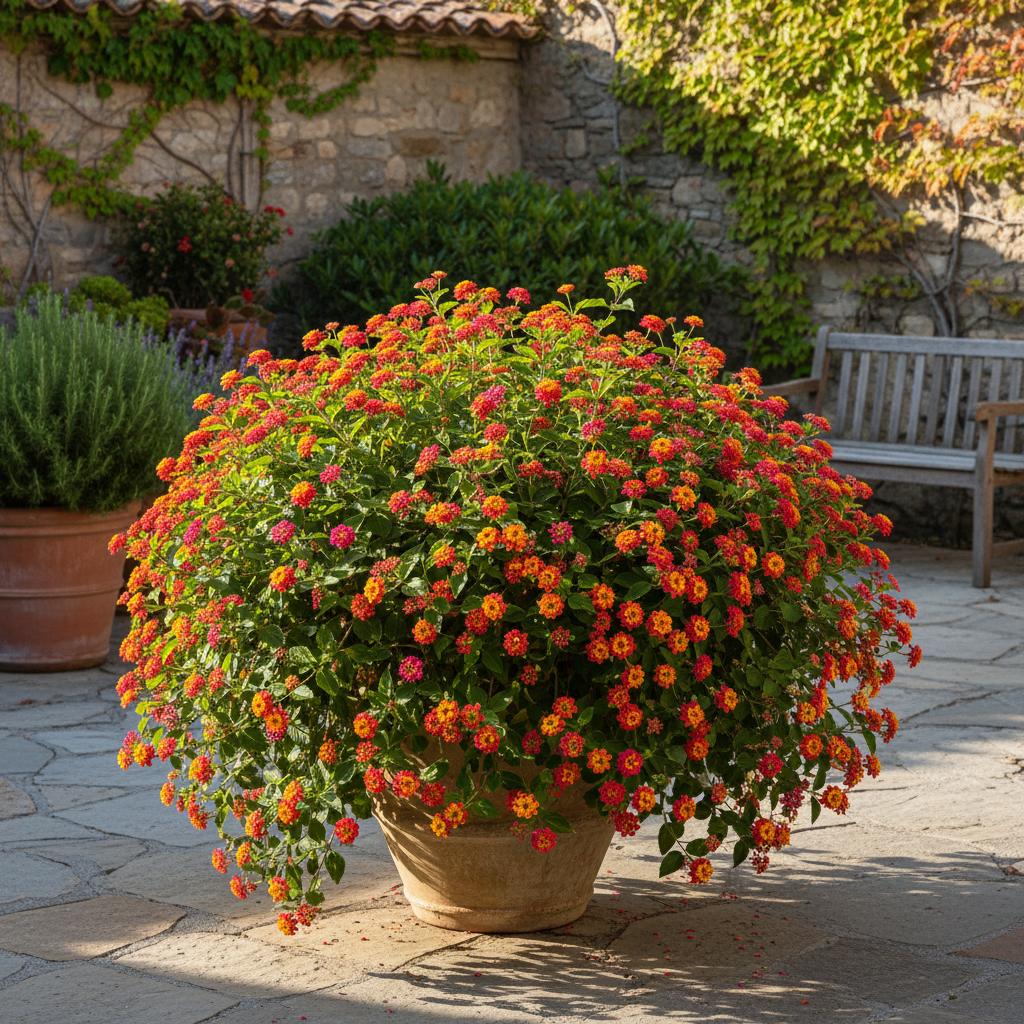
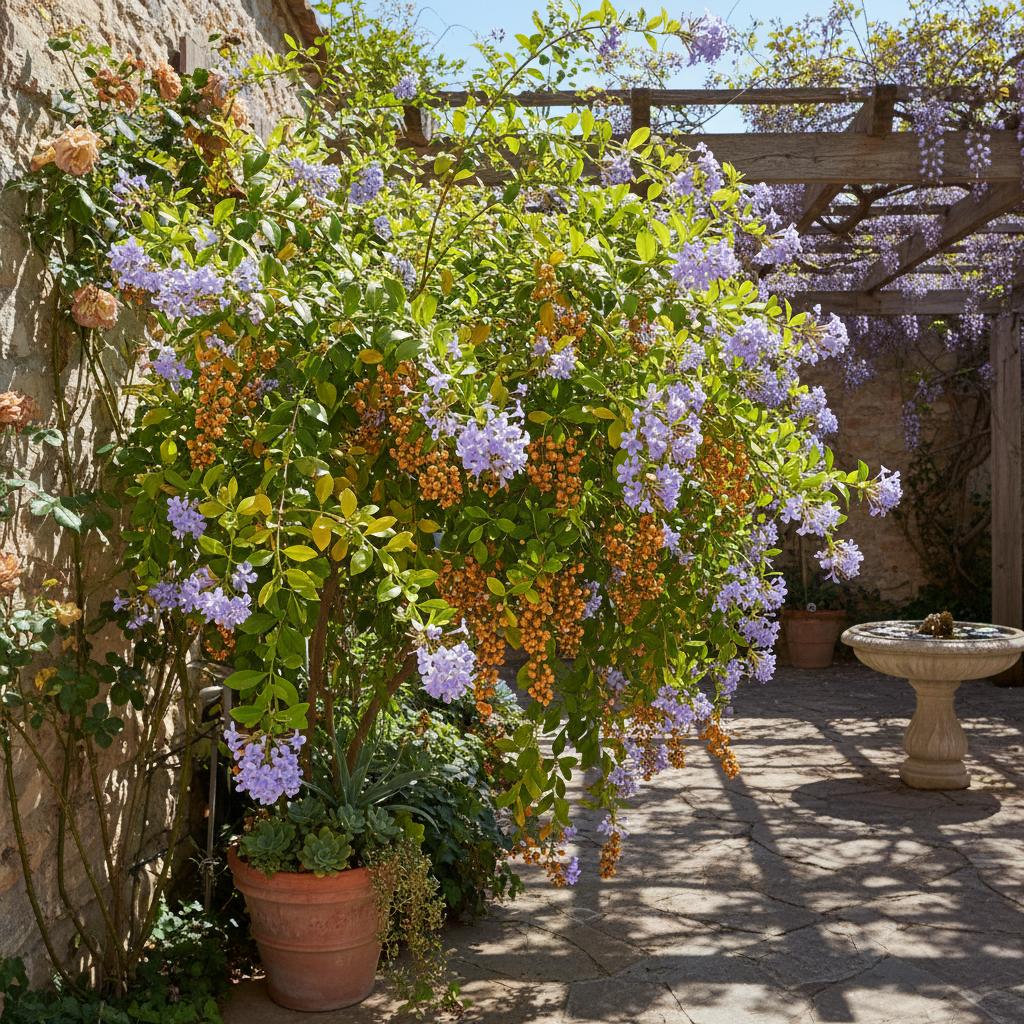
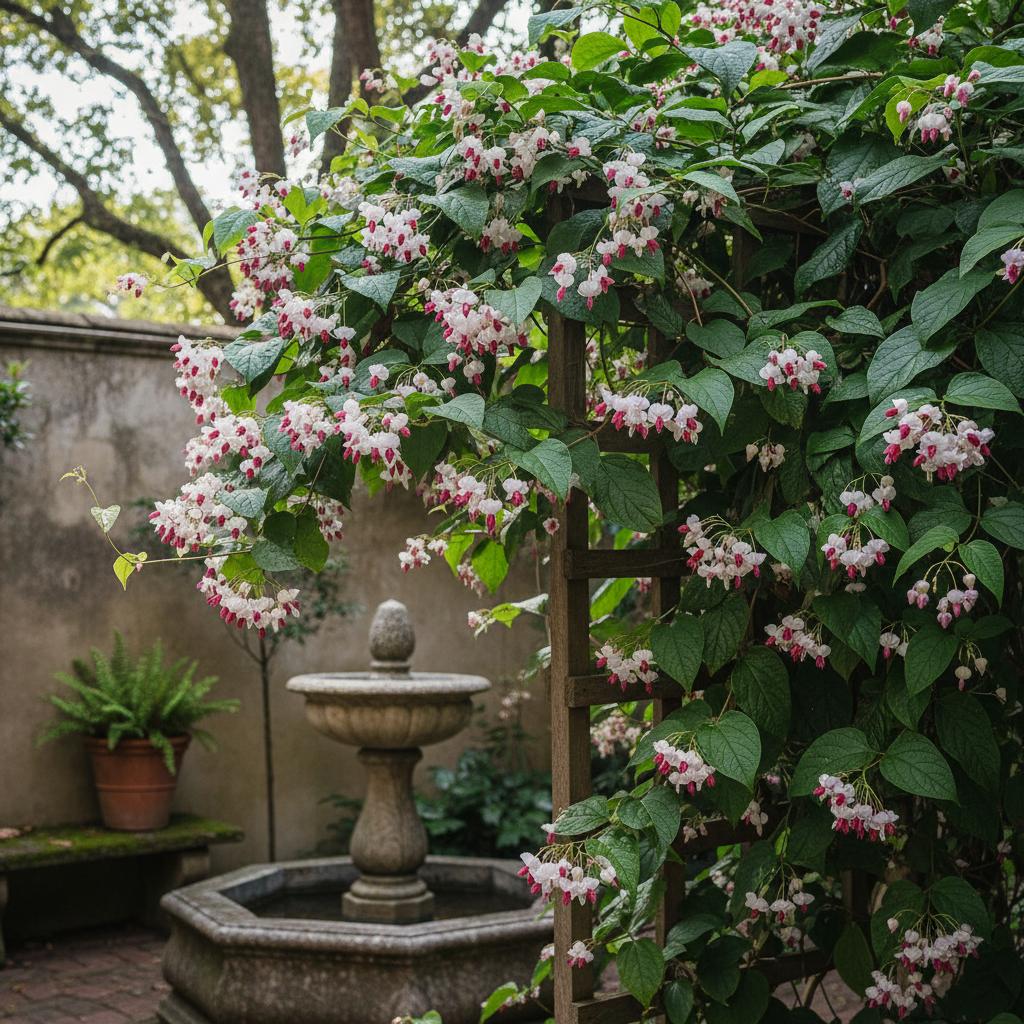
Download PlantFun App
Identify, grow and care for plants effectively!
Instant Plant ID
Take a photo to quickly identify plants.
Smart Care Reminders
Generate watering and care schedules.
Toxicity & Disease Diagnosis
Identify toxic plants and pests with treatment advice.

Data Sources
This information is for reference only and does not constitute medical advice. If ingestion or poisoning is suspected, seek medical or veterinary attention immediately.