 PlantFun
Lantana Toxic?
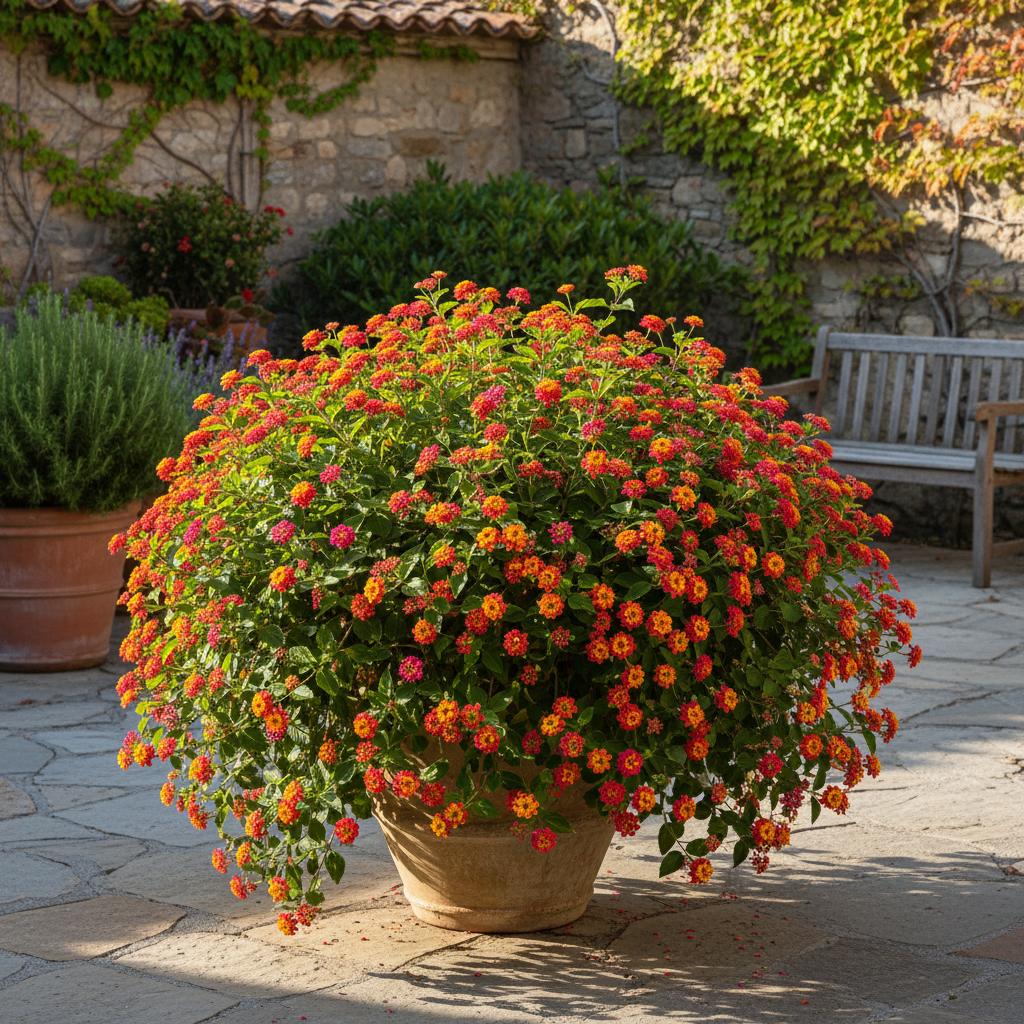
All plant parts except fully ripe berries are toxic; red-flowering variants are far more toxic than pink-flowering types
The plant is confirmed poisonous to cats, dogs, horses, and multiple livestock species including cattle, sheep, and goats
Ingestion can cause gastrointestinal distress, weakness, liver failure, and photosensitization depending on consumed quantity
FAQ
Is Lantana toxic to Humans?
No specific human poisoning symptoms documented in provided datasets; avoid ingestion and prolonged skin contact as a precaution (Low)
Is Lantana toxic to Cats?
Vomiting, diarrhea, labored breathing, weakness, potential liver damage with large ingestions (Moderate)
Is Lantana toxic to Dogs?
Apathy, vomiting, diarrhea, reduced appetite, weakness, potential liver injury with significant exposure (Moderate)
Is Lantana toxic to Horses?
Vomiting, diarrhea, labored breathing, weakness, elevated liver failure risk, and photosensitization (Moderate)
Toxicity Details
No specific human poisoning symptoms documented in provided datasets; avoid ingestion and prolonged skin contact as a precaution
Vomiting, diarrhea, labored breathing, weakness, potential liver damage with large ingestions
Apathy, vomiting, diarrhea, reduced appetite, weakness, potential liver injury with significant exposure
Vomiting, diarrhea, labored breathing, weakness, elevated liver failure risk, and photosensitization
Toxicity Snapshot
First Aid & Prevention
First 30 Minutes
- • Immediately remove any remaining plant material from the mouth of the exposed individual or animal
- • Do not induce vomiting unless explicitly directed by a medical or veterinary professional
- • Collect a sample of the ingested plant to confirm identification for treatment providers
Contact Vet Immediately
- • If your cat, dog, horse, or other livestock has ingested any part of Lantana camara (other than a tiny amount of fully ripe berry)
- • If any symptoms including vomiting, diarrhea, weakness, or facial swelling appear after exposure
- • If you are unsure of the quantity of plant material ingested by your pet or livestock
Prevention
- • Keep Lantana camara plants out of reach of pets, horses, and grazing livestock
- • Avoid planting high-toxicity red-flowering Lantana camara variants in areas accessible to animals
- • Wear protective gloves when handling the plant to reduce risk of skin irritation
Treatment & Prognosis
- • Administer repeated doses of activated charcoal for decontamination as directed by a veterinarian
- • Provide sufficient hydration as part of supportive care for affected animals
- • Keep exposed animals out of direct sunlight to reduce photosensitization complications
- • Provide additional symptomatic care tailored to the individual's presenting symptoms
Professional Toxicology
• Pentacyclic triterpenoid compounds (primarily lantadenes) cause hepatocellular damage, impairing normal liver function
• Toxins interfere with breakdown of photodynamic compounds in the body, leading to photosensitization in affected animals
Information from CliniTox veterinary text.
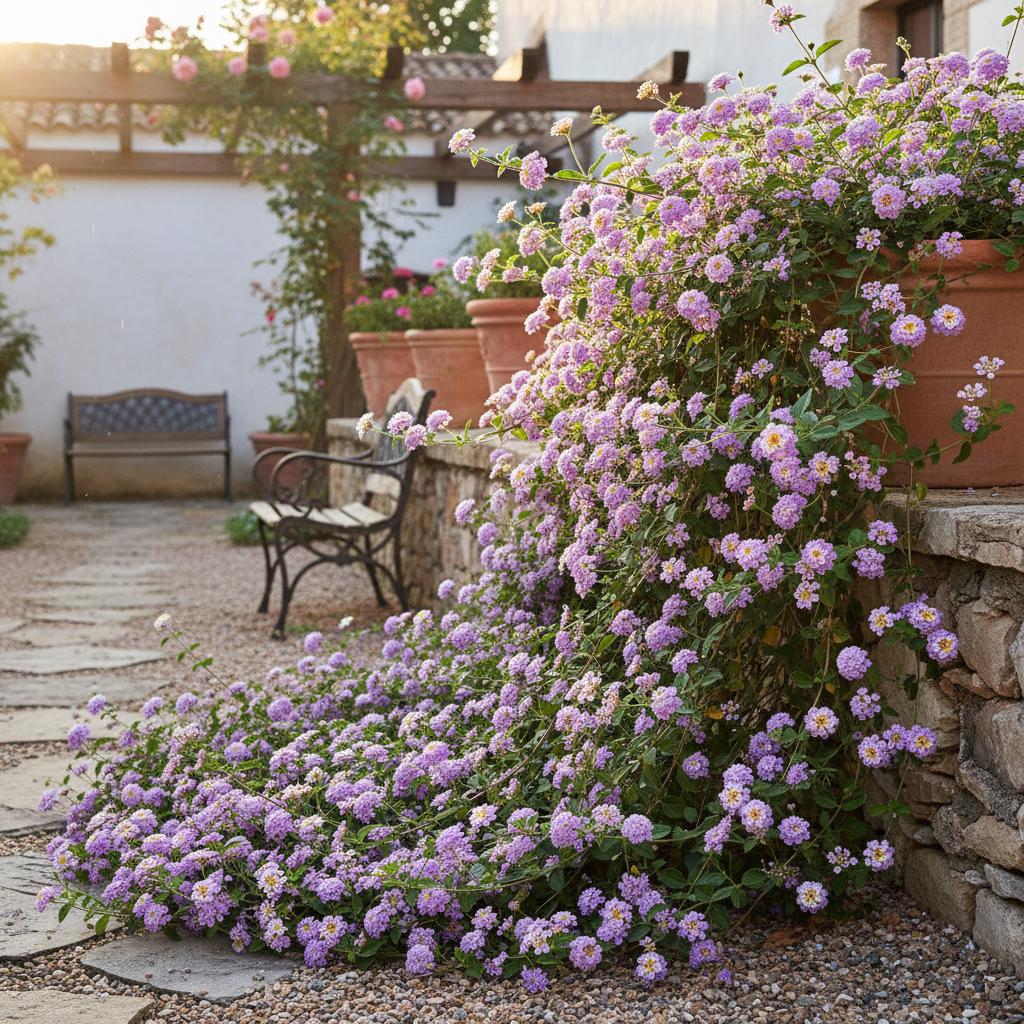
The following plants look similar and may be confused:
Related Toxic Plants


Download PlantFun App
Identify, grow and care for plants effectively!
Instant Plant ID
Take a photo to quickly identify plants.
Smart Care Reminders
Generate watering and care schedules.
Toxicity & Disease Diagnosis
Identify toxic plants and pests with treatment advice.

Data Sources
This information is for reference only and does not constitute medical advice. If ingestion or poisoning is suspected, seek medical or veterinary attention immediately.