 PlantFun
Common Bilberry Toxic?
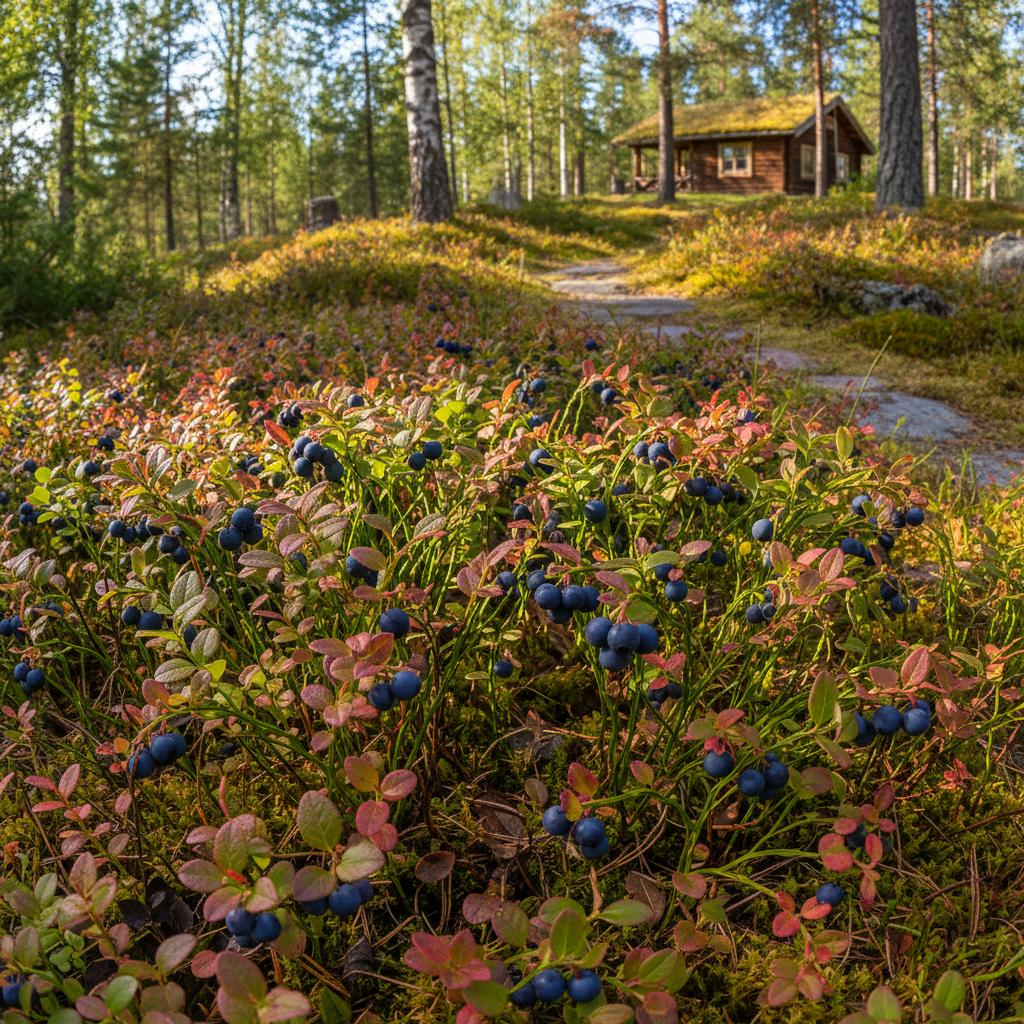
Ripe common bilberry berries are fully edible and non-toxic for humans, pets, and livestock
Plant leaves contain mild astringent tannins that can cause constipation if eaten in large amounts as forage
No severe or fatal toxicity cases have been recorded for this species across cats, dogs, or horses
FAQ
Is Common Bilberry toxic to Humans?
No adverse effects from ripe berry consumption; excess leaf intake may cause mild constipation and digestive discomfort (Non-toxic)
Is Common Bilberry toxic to Cats?
No confirmed toxic effects reported; large quantities of leaves may trigger mild constipation or temporary digestive upset (Non-toxic)
Is Common Bilberry toxic to Dogs?
No confirmed toxic effects reported; large quantities of leaves may trigger mild constipation or temporary digestive upset (Non-toxic)
Is Common Bilberry toxic to Horses?
Excess leaf consumption may cause constipation and reduced feed efficiency; berries are completely safe to consume (Low)
Toxicity Details
No adverse effects from ripe berry consumption; excess leaf intake may cause mild constipation and digestive discomfort
No confirmed toxic effects reported; large quantities of leaves may trigger mild constipation or temporary digestive upset
No confirmed toxic effects reported; large quantities of leaves may trigger mild constipation or temporary digestive upset
Excess leaf consumption may cause constipation and reduced feed efficiency; berries are completely safe to consume
Toxicity Snapshot
First Aid & Prevention
First 30 Minutes
- • Rinse mouth thoroughly with clean water if large amounts of leaves were ingested
- • Offer small quantities of fresh water or electrolyte fluids to reduce astringent effects on the digestive tract
- • Monitor for signs of constipation, bloating, or appetite loss over the next 24 hours
Contact Vet Immediately
- • Persistent constipation lasting longer than 48 hours after leaf ingestion
- • Severe abdominal pain, bloating, or complete loss of appetite in pets or livestock
- • Any unexpected severe adverse reactions after consuming large amounts of plant material
Prevention
- • Avoid providing large volumes of bilberry leaves as forage for livestock
- • Educate wild foragers to properly identify the species before harvesting berries for consumption
- • Clear excess bilberry leaf litter from pet and livestock grazing areas if high consumption is a risk
Treatment & Prognosis
- • Administer mild laxatives or stool softeners as directed by a healthcare provider or veterinarian for constipation symptoms
- • Provide supportive care including hydration and high-fiber feeds to affected animals to restore normal gut motility
- • Deliver symptomatic care for any rare secondary digestive complications as needed
Professional Toxicology
• Astringent tannins in leaves bind to gastrointestinal tract mucosa, reducing gut motility and leading to constipation
Information from CliniTox veterinary text.
The following plants look similar and may be confused:
Related Toxic Plants


Download PlantFun App
Identify, grow and care for plants effectively!
Instant Plant ID
Take a photo to quickly identify plants.
Smart Care Reminders
Generate watering and care schedules.
Toxicity & Disease Diagnosis
Identify toxic plants and pests with treatment advice.

Data Sources
This information is for reference only and does not constitute medical advice. If ingestion or poisoning is suspected, seek medical or veterinary attention immediately.