 PlantFun
Sheepkill Toxic?

All parts of the plant are toxic, with grayanotoxins as the primary toxic principle
Confirmed toxic to horses; toxicity to cats and dogs is currently unconfirmed
Ingestion can cause severe cardiac, neurological, and gastrointestinal symptoms, possibly leading to death
FAQ
Is Sheepkill toxic to Humans?
No specific human toxicity data documented, but ingestion is expected to cause gastrointestinal, cardiac, and neurological distress similar to effects seen in animals (High)
Is Sheepkill toxic to Cats?
Toxicity unknown, no reported clinical symptom data available (Unknown)
Is Sheepkill toxic to Dogs?
Toxicity unknown, no reported clinical symptom data available (Unknown)
Is Sheepkill toxic to Horses?
Onset within hours of ingestion: digestive upset, excessive drooling, colic, weakness, coordination loss, leg paralysis, weak heart rate, possible coma and death (High)
Toxicity Details
No specific human toxicity data documented, but ingestion is expected to cause gastrointestinal, cardiac, and neurological distress similar to effects seen in animals
Toxicity unknown, no reported clinical symptom data available
Toxicity unknown, no reported clinical symptom data available
Onset within hours of ingestion: digestive upset, excessive drooling, colic, weakness, coordination loss, leg paralysis, weak heart rate, possible coma and death
Toxicity Snapshot
First Aid & Prevention
First 30 Minutes
- • Immediately remove remaining plant material from the exposed animal's mouth and restrict further access to the plant
- • Collect a sample of the ingested plant for veterinary identification if possible
- • Do not induce vomiting unless explicitly instructed by a licensed veterinarian
Contact Vet Immediately
- • Any confirmed or suspected ingestion of Kalmia latifolia by any animal
- • Observation of symptoms including excessive drooling, colic, weakness, or irregular heart rate after exposure
- • Presentation of severe symptoms such as paralysis, stupor, or loss of consciousness
Prevention
- • Do not plant Kalmia latifolia in pastures or areas accessible to grazing animals, especially horses, sheep, and goats
- • Remove wild-growing Kalmia latifolia specimens from animal enclosures and grazing lands
- • Educate animal owners and farm staff on the visual identification and toxicity risks of this plant
Treatment & Prognosis
- • Administer appropriate decontamination procedures aligned with the time since ingestion
- • Provide symptomatic care including analgesics for pain and antibiotics if aspiration pneumonia is diagnosed
- • Administer 20% intravenous lipid solution at 1.5 mL per kg of body weight over 5 minutes as clinically indicated
- • Use atropine to treat bradycardia if present
- • Provide continuous supportive care for cardiac and neurological symptoms
Professional Toxicology
• Grayanotoxins interfere with normal function of skeletal muscle, cardiac muscle, and nerve tissue
Information from CliniTox veterinary text.
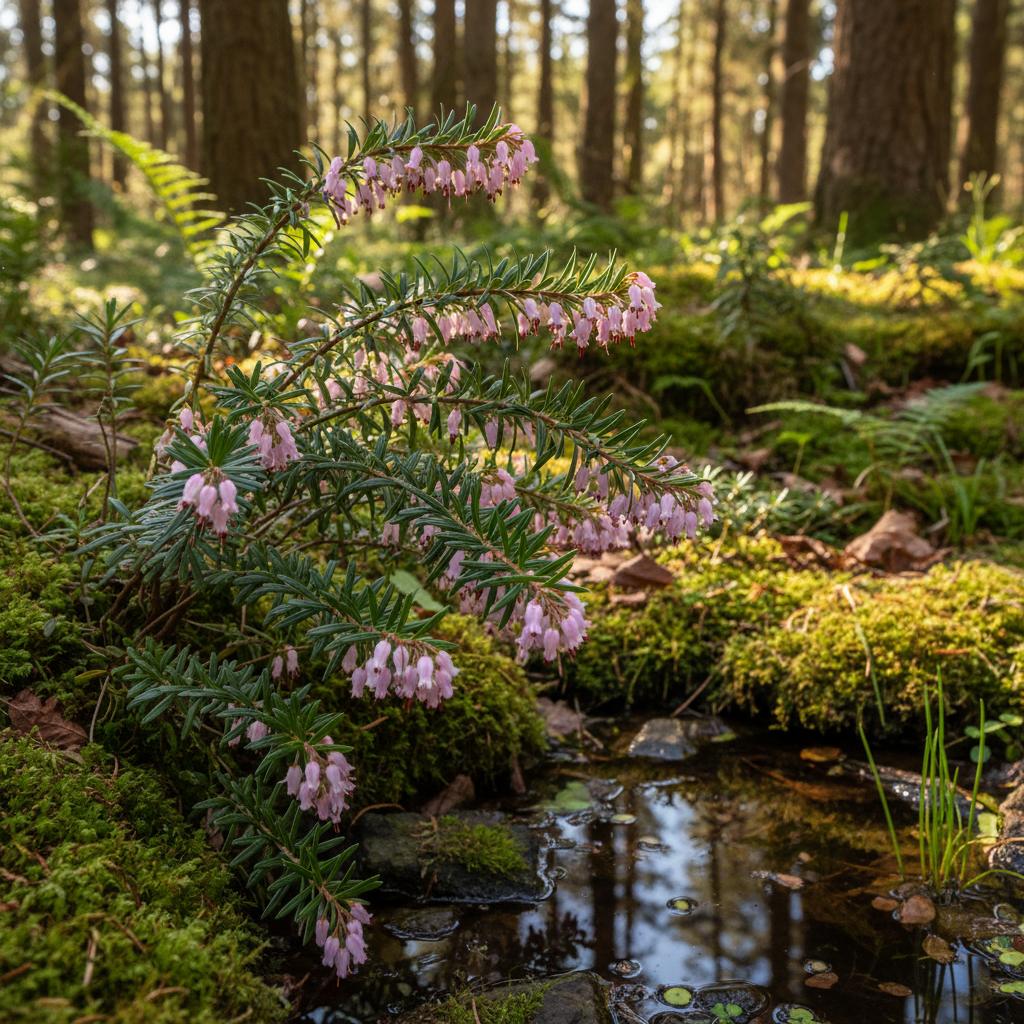
The following plants look similar and may be confused:
Related Toxic Plants

Download PlantFun App
Identify, grow and care for plants effectively!
Instant Plant ID
Take a photo to quickly identify plants.
Smart Care Reminders
Generate watering and care schedules.
Toxicity & Disease Diagnosis
Identify toxic plants and pests with treatment advice.

Data Sources
This information is for reference only and does not constitute medical advice. If ingestion or poisoning is suspected, seek medical or veterinary attention immediately.