 PlantFun
Field Pennycress Toxic?
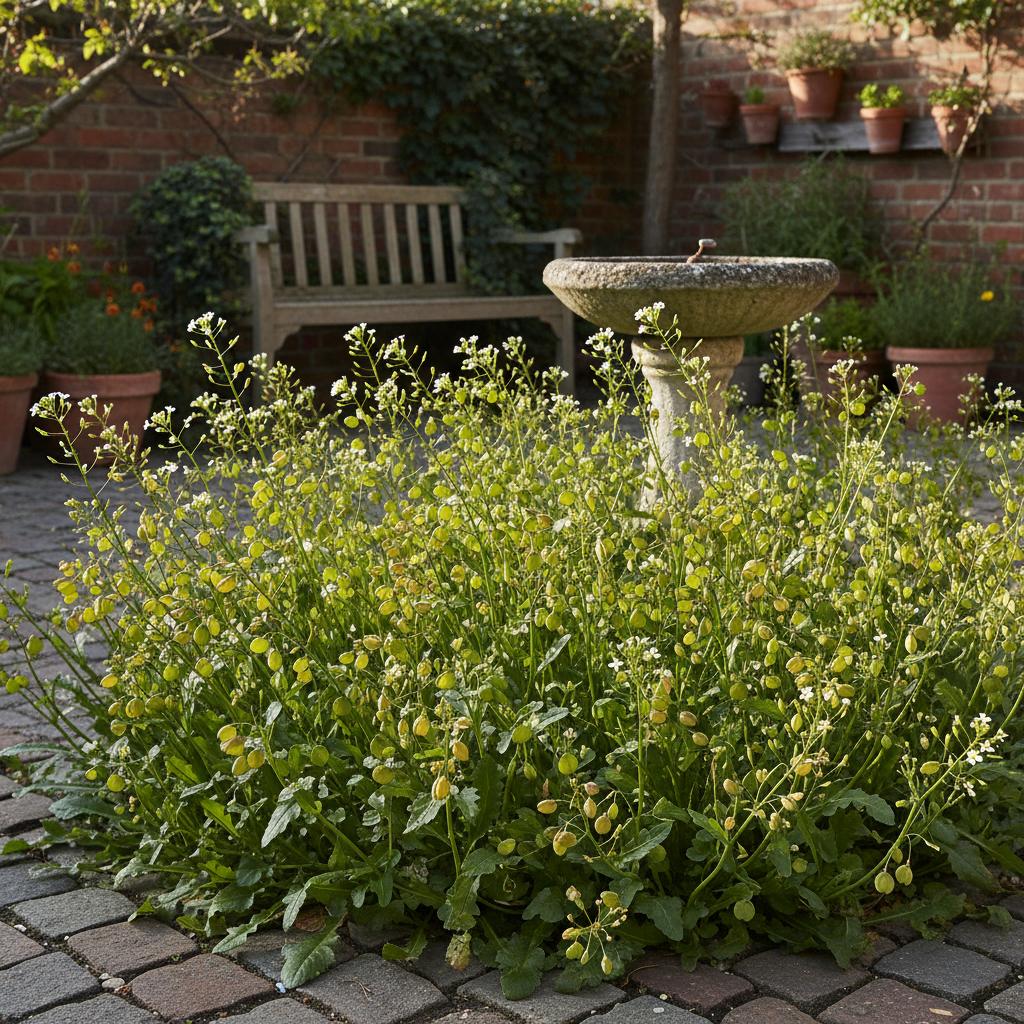
Field Pennycress is confirmed toxic to horses, while toxicity risks for cats and dogs remain unstudied and unknown.
Its primary toxic principle is isothiocyanates, a class of irritant compounds common to many Brassicaceae species.
Confirmed exposure symptoms in horses include gastrointestinal distress (colic, diarrhea) and contact dermatitis.
FAQ
Is Field Pennycress toxic to Humans?
No confirmed human toxicity data available; incidental exposure may cause mild skin or mucous membrane irritation (Low)
Is Field Pennycress toxic to Cats?
Toxicity status unknown, no documented clinical exposure symptoms reported to date (Unknown)
Is Field Pennycress toxic to Dogs?
Toxicity status unknown, no documented clinical exposure symptoms reported to date (Unknown)
Is Field Pennycress toxic to Horses?
Colic, diarrhea, contact dermatitis (Moderate)
Toxicity Details
No confirmed human toxicity data available; incidental exposure may cause mild skin or mucous membrane irritation
Toxicity status unknown, no documented clinical exposure symptoms reported to date
Toxicity status unknown, no documented clinical exposure symptoms reported to date
Colic, diarrhea, contact dermatitis
Toxicity Snapshot
First Aid & Prevention
First 30 Minutes
- • Remove all remaining Field Pennycress from the affected animal's access, and rinse plant material from the mouth for recent ingestions
- • Rinse skin contact sites with cool clean water for 10-15 minutes to reduce dermatitis risk
- • Collect a sample of the suspected plant for accurate identification by veterinary staff
Contact Vet Immediately
- • A horse is observed ingesting any quantity of Field Pennycress, even if no symptoms are present
- • Any animal exhibits colic, diarrhea, or unexplained dermatitis after potential exposure to this plant
- • You are unsure if your pet or livestock has ingested this plant and observe unusual behavioral changes
Prevention
- • Inspect horse grazing pastures regularly and manually remove all identified Field Pennycress growth
- • Avoid feeding hay or forage contaminated with Field Pennycress to horses
- • Keep toxic Brassicaceae ornamental and weed species out of reach of companion pets and livestock
Treatment & Prognosis
- • Veterinarians may administer activated charcoal for recent large ingestions to reduce toxin absorption
- • Supportive care including fluid therapy and anti-diarrheal medication may be provided to address gastrointestinal symptoms
- • Topical anti-inflammatory treatments may be prescribed for contact dermatitis cases
Professional Toxicology
• Isothiocyanates act as mucosal irritants when ingested, causing inflammation of the gastrointestinal tract lining
• Direct contact with plant compounds triggers localized inflammatory responses in skin tissue leading to dermatitis
Information from CliniTox veterinary text.
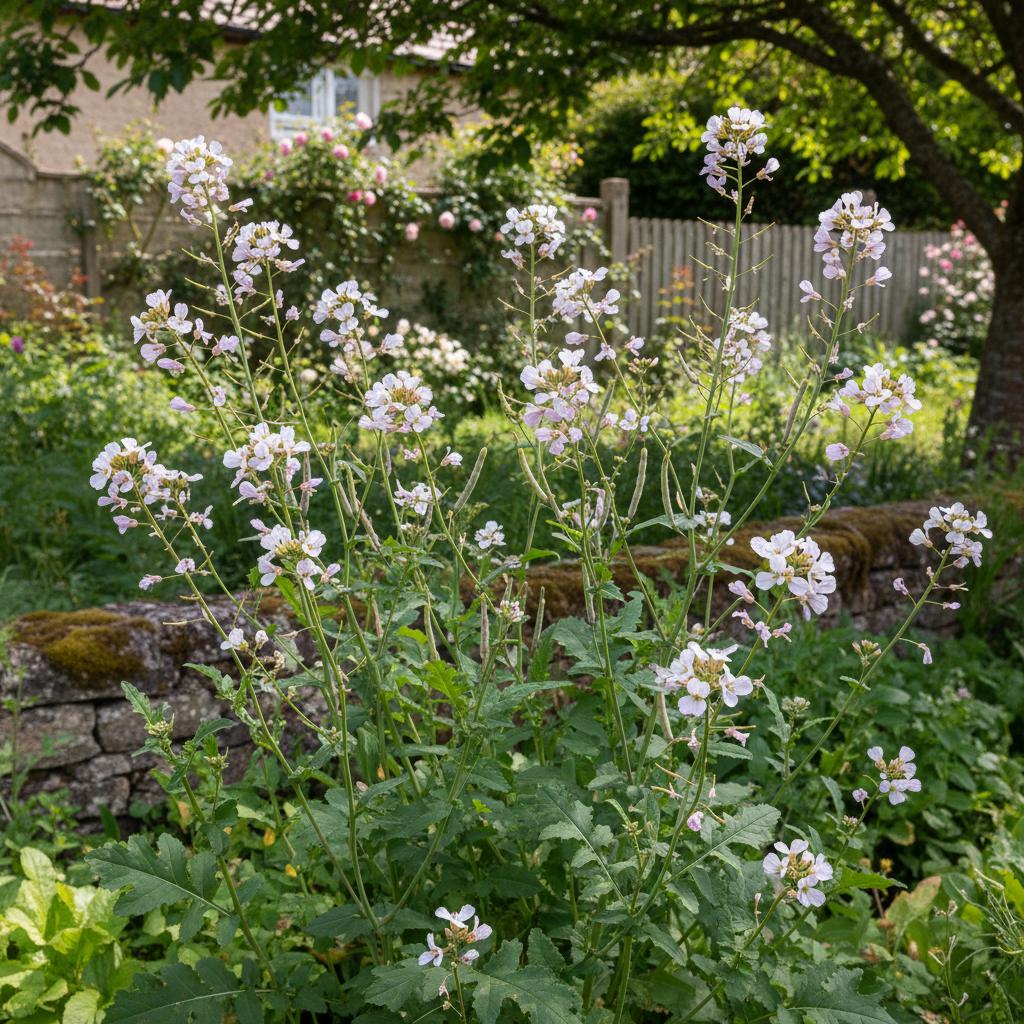
The following plants look similar and may be confused:
Related Toxic Plants
Download PlantFun App
Identify, grow and care for plants effectively!
Instant Plant ID
Take a photo to quickly identify plants.
Smart Care Reminders
Generate watering and care schedules.
Toxicity & Disease Diagnosis
Identify toxic plants and pests with treatment advice.

Data Sources
This information is for reference only and does not constitute medical advice. If ingestion or poisoning is suspected, seek medical or veterinary attention immediately.