 PlantFun
Nightshade Toxic?
All Solanum spp. nightshade plants are confirmed toxic to cats, dogs, and horses per ASPCA data
Toxic active compounds include solanine, saponins, and atropine-like substances that target digestive and nervous systems
Ingestion can cause symptoms ranging from mild hypersalivation to severe CNS depression and abnormal heart function
FAQ
Is Nightshade toxic to Humans?
May include gastrointestinal pain, dilated pupils, drowsiness, confusion, and slowed heart rate consistent with solanine and atropine exposure (Moderate)
Is Nightshade toxic to Cats?
Hypersalivation, inappetence, severe gastrointestinal upset, diarrhea, drowsiness, CNS depression, confusion, behavioral change, weakness, dilated pupils, slow heart rate (Moderate)
Is Nightshade toxic to Dogs?
Hypersalivation, inappetence, severe gastrointestinal upset, diarrhea, drowsiness, CNS depression, confusion, behavioral change, weakness, dilated pupils, slow heart rate (Moderate)
Is Nightshade toxic to Horses?
Hypersalivation, inappetence, severe gastrointestinal upset, diarrhea, drowsiness, CNS depression, confusion, behavioral change, weakness, dilated pupils, slow heart rate (Moderate)
Toxicity Details
May include gastrointestinal pain, dilated pupils, drowsiness, confusion, and slowed heart rate consistent with solanine and atropine exposure
Hypersalivation, inappetence, severe gastrointestinal upset, diarrhea, drowsiness, CNS depression, confusion, behavioral change, weakness, dilated pupils, slow heart rate
Hypersalivation, inappetence, severe gastrointestinal upset, diarrhea, drowsiness, CNS depression, confusion, behavioral change, weakness, dilated pupils, slow heart rate
Hypersalivation, inappetence, severe gastrointestinal upset, diarrhea, drowsiness, CNS depression, confusion, behavioral change, weakness, dilated pupils, slow heart rate
Toxicity Snapshot
First Aid & Prevention
First 30 Minutes
- • Remove all remaining plant material from the exposed individual/animal's mouth and move them away from the plant source
- • If ingestion occurred within the last 10 minutes and the animal is fully alert, offer small amounts of fresh water to dilute ingested toxins
- • Do not induce vomiting or administer home remedies unless explicitly instructed to do so by a veterinarian or poison control specialist
Contact Vet Immediately
- • Any confirmed or suspected ingestion of nightshade plant material by pets or livestock
- • Observation of symptoms including hypersalivation, diarrhea, confusion, dilated pupils, or abnormal heart rate after exposure
- • The exposed animal is unresponsive, lethargic, or experiencing seizures after potential contact with nightshade
Prevention
- • Remove all wild or cultivated nightshade plants from areas accessible to pets, livestock, and young children
- • Store decorative nightshade plant or berry arrangements out of reach of all animals and children
- • Train farm staff and pet owners to identify wild nightshade growth and remove it promptly from grazing areas and play spaces
Treatment & Prognosis
- • Veterinary care may include induced vomiting, activated charcoal administration, and IV fluid therapy to flush unabsorbed toxins and support hydration
- • Symptomatic supportive care is provided to address gastrointestinal distress, abnormal heart rate, and neurological dysfunction
- • 24 to 48 hours of clinical monitoring is recommended after severe exposure to detect and address delayed complications
Professional Toxicology
• Solanine and saponins irritate the gastrointestinal mucosal lining, causing pain, vomiting, and diarrhea
• Atropine-like substances block acetylcholine receptors in the central and peripheral nervous system, leading to neurological, cardiac, and optical symptoms
Information from CliniTox veterinary text.
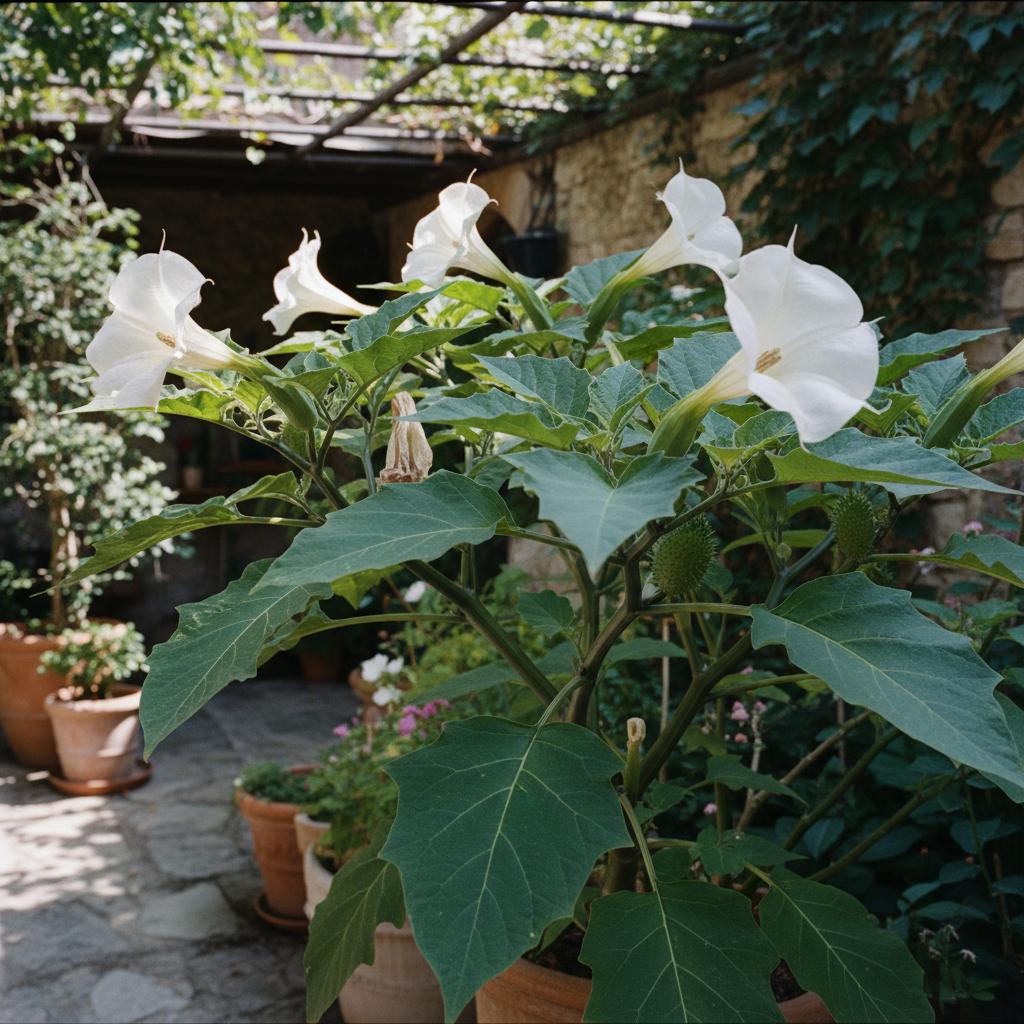
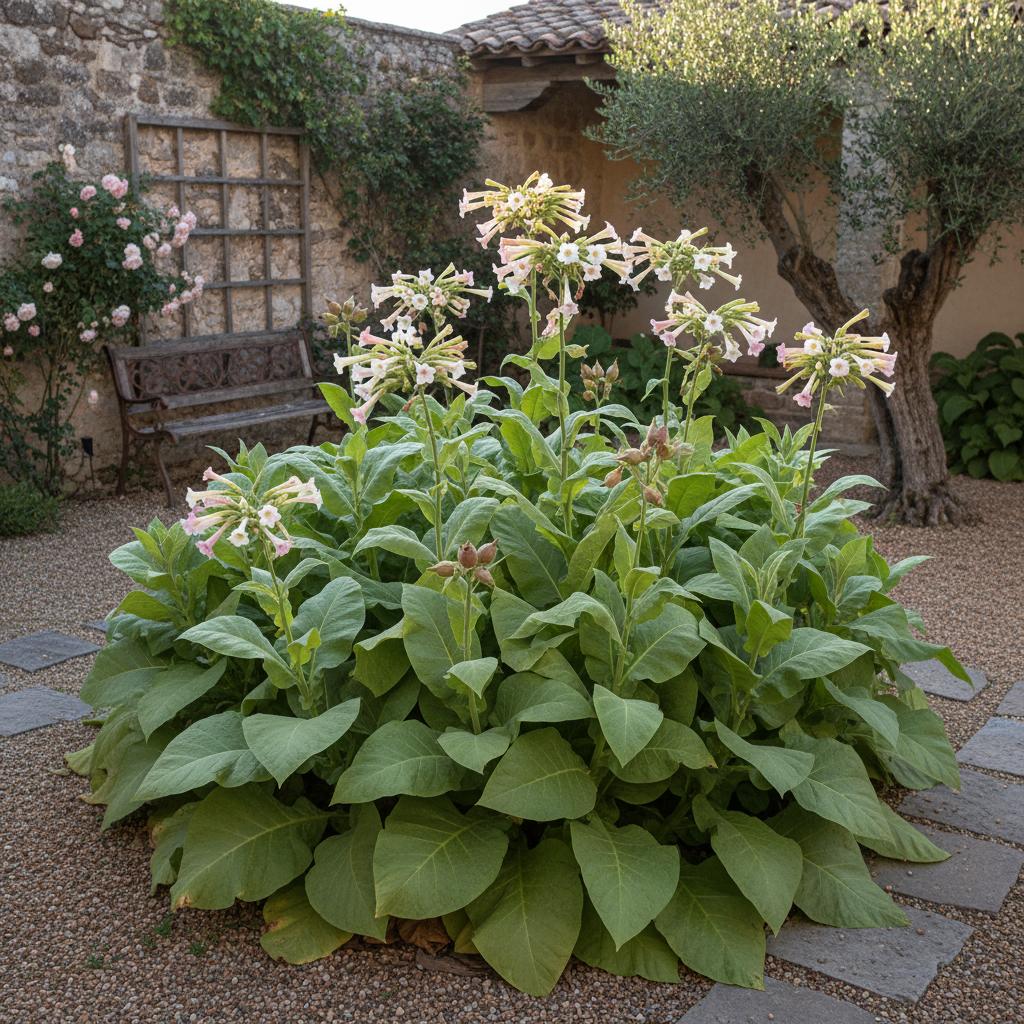
The following plants look similar and may be confused:
Related Toxic Plants

Download PlantFun App
Identify, grow and care for plants effectively!
Instant Plant ID
Take a photo to quickly identify plants.
Smart Care Reminders
Generate watering and care schedules.
Toxicity & Disease Diagnosis
Identify toxic plants and pests with treatment advice.

Data Sources
This information is for reference only and does not constitute medical advice. If ingestion or poisoning is suspected, seek medical or veterinary attention immediately.