 PlantFun
Mole Bean Plant Toxic?

Contains ricin, one of the strongest known natural toxins, classified as a potential biological weapon
Ingestion of as little as 1 ounce of chewed seeds can be fatal, with symptoms developing 12 to 48 hours after exposure
All common domestic animals (cats, dogs, horses, livestock) are susceptible to poisoning from this plant
FAQ
Is Mole Bean Plant toxic to Humans?
Nausea, vomiting, bloody diarrhea, abdominal pain, difficulty breathing, organ failure, seizures, coma, potentially fatal if untreated (Severe)
Is Mole Bean Plant toxic to Cats?
Loss of appetite, excessive thirst, weakness, difficulty breathing, bloody diarrhea, convulsions, increased risk of death (Severe)
Is Mole Bean Plant toxic to Dogs?
Hemorrhagic gastroenteritis, colic, weakness, convulsions, coma, multi-organ failure, circulatory collapse (Severe)
Is Mole Bean Plant toxic to Horses?
Sweating, difficulty breathing, ataxia, hyperthermia, rapid heart rate, muscle twitches, colic, progressive central nervous system depression (Severe)
Toxicity Details
Nausea, vomiting, bloody diarrhea, abdominal pain, difficulty breathing, organ failure, seizures, coma, potentially fatal if untreated
Loss of appetite, excessive thirst, weakness, difficulty breathing, bloody diarrhea, convulsions, increased risk of death
Hemorrhagic gastroenteritis, colic, weakness, convulsions, coma, multi-organ failure, circulatory collapse
Sweating, difficulty breathing, ataxia, hyperthermia, rapid heart rate, muscle twitches, colic, progressive central nervous system depression
Toxicity Snapshot
First Aid & Prevention
First 30 Minutes
- • Induce vomiting only if ingestion occurred within 2 hours and the exposed person/animal is fully conscious
- • Remove all remaining plant material from the mouth and surrounding area to prevent further exposure
- • Do not administer food, drink, or activated charcoal unless explicitly advised by a medical professional or veterinarian
Contact Vet Immediately
- • Any confirmed or suspected ingestion of Mole Bean Plant seeds or foliage
- • Appearance of associated symptoms including weakness, bloody diarrhea, breathing difficulty, or convulsions
- • If you find your pet/horse chewing on any part of the plant, even if no symptoms are present yet
Prevention
- • Remove Mole Bean Plants from areas accessible to children, pets, and livestock
- • Securely dispose of pruned foliage and seeds to avoid accidental ingestion
- • Only use heat-treated castor bean extraction meal as fertilizer, as unheated meal retains toxic ricin
Treatment & Prognosis
- • Gastrointestinal decontamination (emesis, activated charcoal, gastric lavage) for recent ingestion cases
- • Symptomatic supportive care including fluid therapy, pain management, and anti-seizure medication as needed
- • Long-term monitoring of liver, kidney, and cardiovascular function post-exposure
Professional Toxicology
• Ricin inhibits cellular protein synthesis, causing widespread cell death and multi-organ damage
• Toxicity onset is delayed 12 to 48 hours after ingestion as the toxin accumulates in body tissues
Information from CliniTox veterinary text.
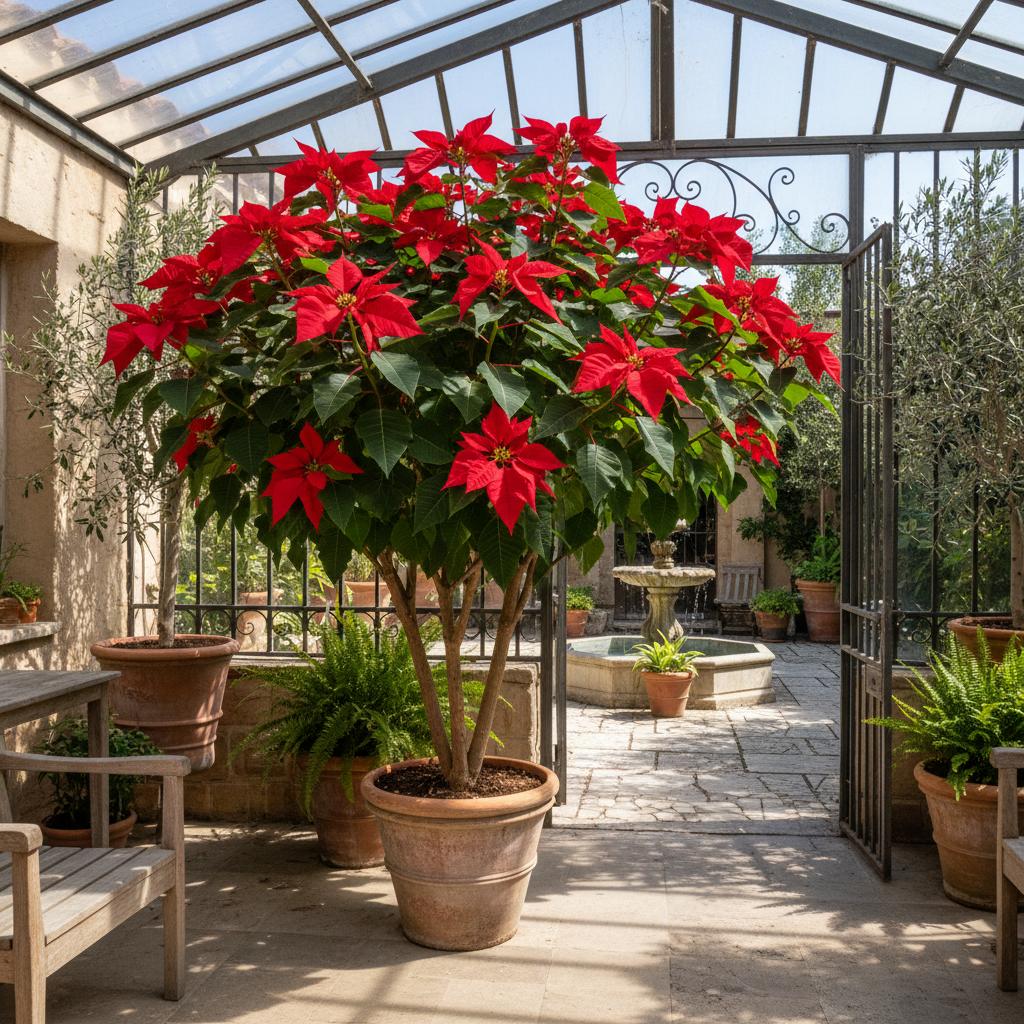
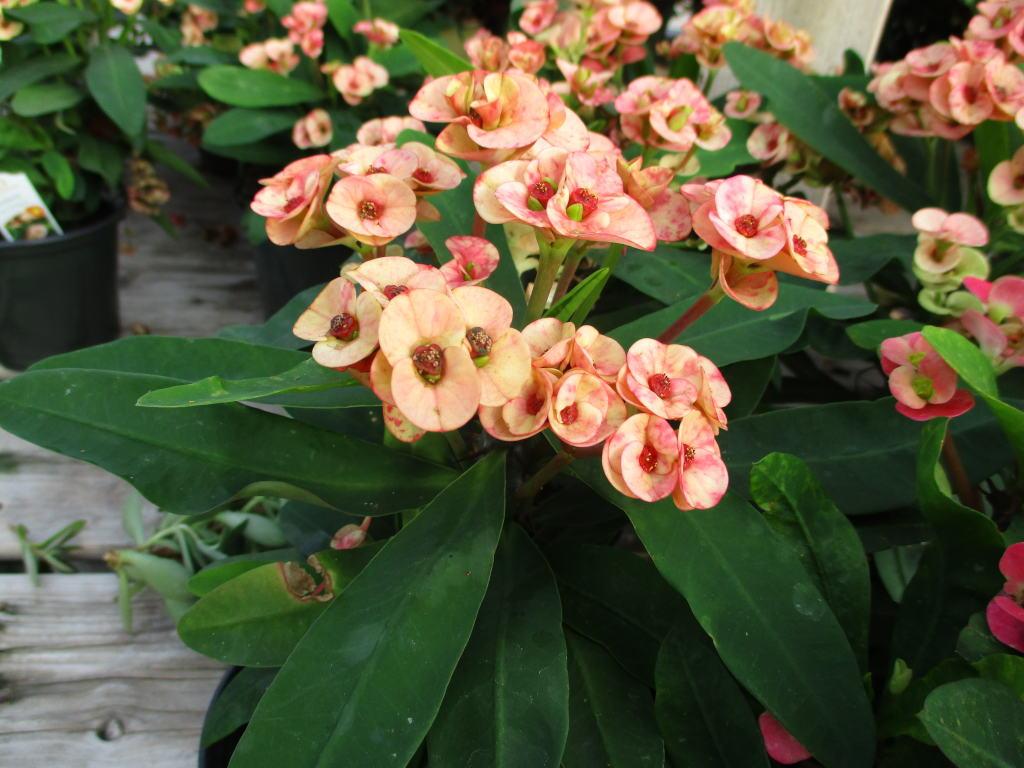
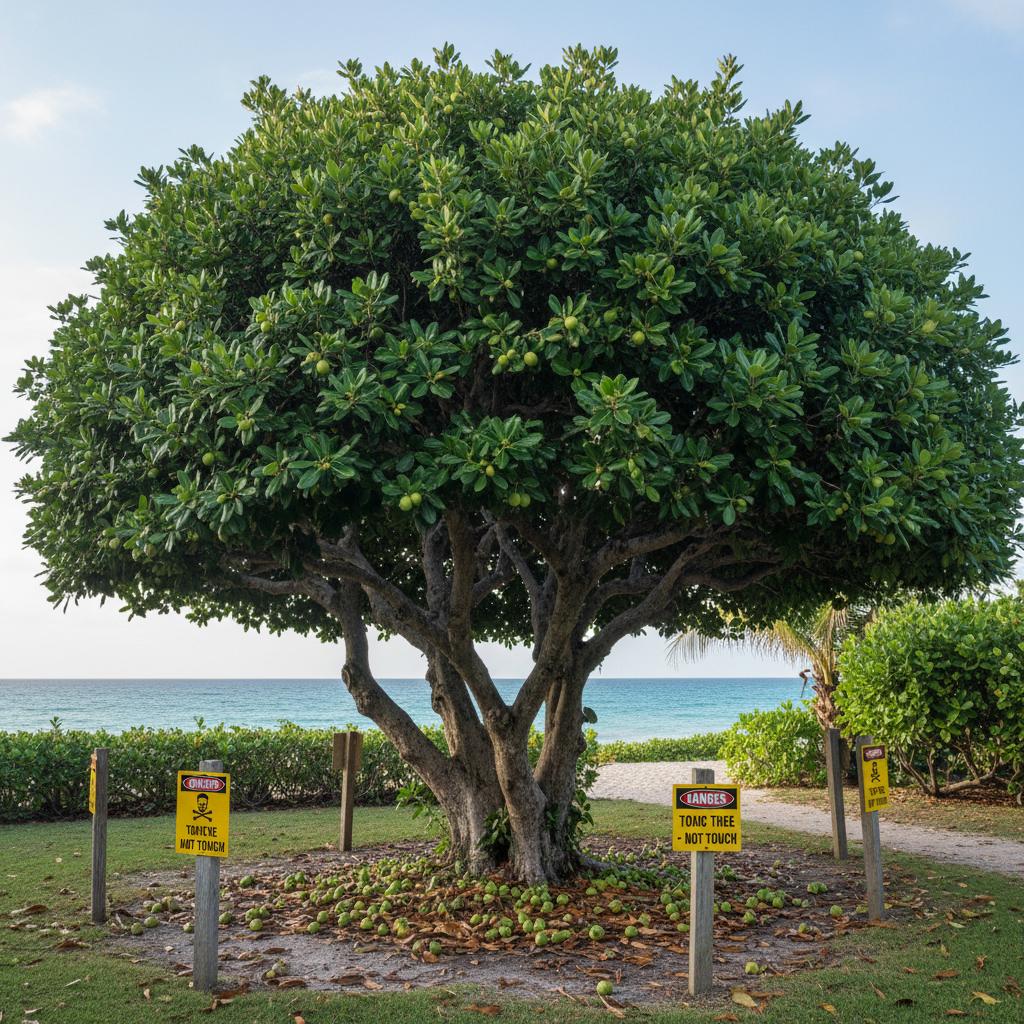
The following plants look similar and may be confused:
Related Toxic Plants
Download PlantFun App
Identify, grow and care for plants effectively!
Instant Plant ID
Take a photo to quickly identify plants.
Smart Care Reminders
Generate watering and care schedules.
Toxicity & Disease Diagnosis
Identify toxic plants and pests with treatment advice.

Data Sources
This information is for reference only and does not constitute medical advice. If ingestion or poisoning is suspected, seek medical or veterinary attention immediately.