 PlantFun
Poinsettia Toxic?

All poinsettia parts containing milky sap are toxic to cats, dogs, and horses, due to stable irritant triterpene compounds
While toxicity is often overrated, rare severe adverse effects including fatalities have been reported in dogs and cats
Non-toxic poinsettia cultivars are available but cannot be visually differentiated from toxic variants
FAQ
Is Poinsettia toxic to Humans?
Mild mucous membrane and gastrointestinal irritation, occasional vomiting, effects are generally mild and self-limiting (Low)
Is Poinsettia toxic to Cats?
Repeated vomiting within 1 hour of ingestion, elevated pulse, hypothermia, apathy, ataxia, delayed reflexes, dilated pupils, excessive salivation, rare fatalities (High)
Is Poinsettia toxic to Dogs?
Mild gastroenteritis with vomiting, inappetence, possible hypothermia, tremors, pulmonary edema, rare kidney failure, coma and fatalities in older individuals (High)
Is Poinsettia toxic to Horses?
Oral and gastrointestinal irritation, vomiting, potential systemic effects including hypothermia and respiratory distress in severe cases (High)
Toxicity Details
Mild mucous membrane and gastrointestinal irritation, occasional vomiting, effects are generally mild and self-limiting
Repeated vomiting within 1 hour of ingestion, elevated pulse, hypothermia, apathy, ataxia, delayed reflexes, dilated pupils, excessive salivation, rare fatalities
Mild gastroenteritis with vomiting, inappetence, possible hypothermia, tremors, pulmonary edema, rare kidney failure, coma and fatalities in older individuals
Oral and gastrointestinal irritation, vomiting, potential systemic effects including hypothermia and respiratory distress in severe cases
Toxicity Snapshot
First Aid & Prevention
First 30 Minutes
- • Remove any remaining poinsettia plant material from the exposed individual's mouth, skin, or fur immediately
- • Rinse affected skin, eyes, or oral mucous membranes with cool, clean water for 10 to 15 minutes to reduce sap irritation
- • If ingested, offer small sips of plain water to dilute irritant sap; do not induce vomiting unless directed by a medical/vet professional
Contact Vet Immediately
- • Your cat, dog, or horse has ingested any quantity of poinsettia plant material
- • Your pet exhibits persistent vomiting, apathy, unsteady gait, tremors, or difficulty breathing after exposure
- • Your pet has abnormal body temperature, dilated pupils, or excessive salivation following poinsettia contact/ingestion
Prevention
- • Store poinsettia plants out of reach of children, pets, and livestock, as toxic and non-toxic cultivars are visually indistinguishable
- • Wear disposable gloves when handling or pruning poinsettias to avoid contact with irritant milky sap
- • Dispose of all poinsettia prunings and fallen leaves securely to prevent accidental ingestion by animals
Treatment & Prognosis
- • Administer decontamination measures (e.g. activated charcoal for recent ingestions) as directed by a qualified medical or veterinary provider
- • Provide symptomatic supportive care including anti-emetics for persistent vomiting, fluid therapy for dehydration, and temperature regulation for hypothermia
- • Monitor organ function (particularly kidney function in exposed dogs) in severe cases to catch and address complications early
Professional Toxicology
• Irritant triterpene compounds in the milky sap cause direct tissue irritation to mucous membranes and the gastrointestinal tract on contact or ingestion
• Triterpene compounds remain stable during storage and drying, so dried poinsettia material remains fully toxic
Information from CliniTox veterinary text.
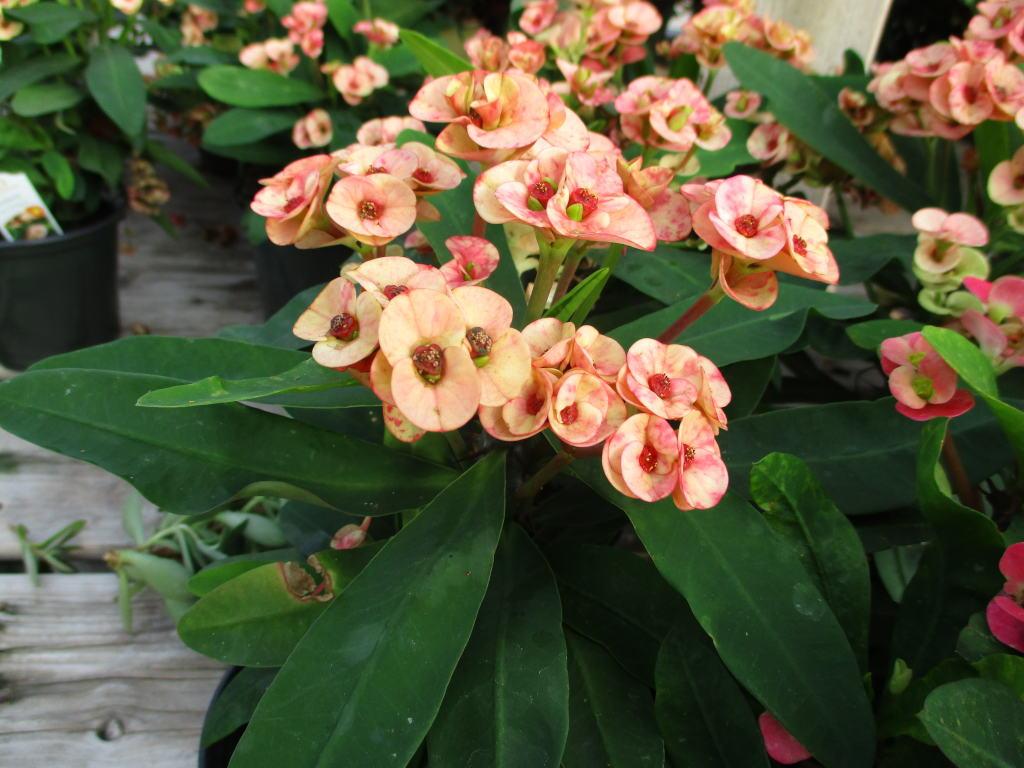
The following plants look similar and may be confused:
Related Toxic Plants


Download PlantFun App
Identify, grow and care for plants effectively!
Instant Plant ID
Take a photo to quickly identify plants.
Smart Care Reminders
Generate watering and care schedules.
Toxicity & Disease Diagnosis
Identify toxic plants and pests with treatment advice.

Data Sources
This information is for reference only and does not constitute medical advice. If ingestion or poisoning is suspected, seek medical or veterinary attention immediately.