 PlantFun
Lesser spearwort Toxic?
Toxicity activates only when the plant is wilted or damaged, as non-toxic ranunculin breaks down into toxic protoanemonin via enzymatic reaction.
Dried plant in hay is completely non-toxic, and silage becomes safe for consumption after 2 months of fermentation.
Consumption of large quantities or prolonged exposure can cause severe systemic symptoms and rare death from respiratory paralysis.
FAQ
Is Lesser spearwort toxic to Humans?
May cause mouth/lip irritation, blistering, salivation, gastrointestinal distress (vomiting, diarrhea), weakness, blood in urine, tremors or seizures in severe ingestion cases. (High)
Is Lesser spearwort toxic to Cats?
No species-specific data available; expected to show oral irritation, excessive salivation, vomiting, diarrhea, lethargy, and potential seizures if large amounts are consumed. (High)
Is Lesser spearwort toxic to Dogs?
No species-specific data available; expected to show oral irritation, excessive salivation, vomiting, diarrhea, lethargy, and potential seizures if large amounts are consumed. (High)
Is Lesser spearwort toxic to Horses?
Mild gastroenteritis in minor exposure; if 2kg+ is consumed or exposure lasts over 3 weeks: mouth/lip blisters, redness, swelling, salivation, gastrointestinal irritation, vomiting, diarrhea, colic, weakness, hematuria, tremors, seizures, paralysis, rare death from respiratory paralysis. Lactating mares may develop udder inflammation with reddish, bitter milk. (High)
Toxicity Details
May cause mouth/lip irritation, blistering, salivation, gastrointestinal distress (vomiting, diarrhea), weakness, blood in urine, tremors or seizures in severe ingestion cases.
No species-specific data available; expected to show oral irritation, excessive salivation, vomiting, diarrhea, lethargy, and potential seizures if large amounts are consumed.
No species-specific data available; expected to show oral irritation, excessive salivation, vomiting, diarrhea, lethargy, and potential seizures if large amounts are consumed.
Mild gastroenteritis in minor exposure; if 2kg+ is consumed or exposure lasts over 3 weeks: mouth/lip blisters, redness, swelling, salivation, gastrointestinal irritation, vomiting, diarrhea, colic, weakness, hematuria, tremors, seizures, paralysis, rare death from respiratory paralysis. Lactating mares may develop udder inflammation with reddish, bitter milk.
Toxicity Snapshot
First Aid & Prevention
First 30 Minutes
- • Immediately remove any remaining plant material from the mouth of the exposed individual/animal.
- • Rinse the mouth thoroughly with clean cool water to reduce mucosal irritation.
- • Avoid inducing vomiting unless explicitly directed by a medical or veterinary professional.
Contact Vet Immediately
- • If the exposed individual/animal shows blistering, excessive salivation, persistent vomiting or diarrhea.
- • If large amounts of fresh/wilted plant have been consumed, or exposure is prolonged over multiple days.
- • If severe symptoms like weakness, blood in urine, tremors, seizures or paralysis are observed.
Prevention
- • Restrict grazing of livestock in areas with heavy growth of Lesser spearwort.
- • Ensure hay is fully dried, and silage is fermented for at least 2 months before feeding to animals to eliminate toxicity.
- • Keep the plant out of reach of pets and young children to avoid accidental ingestion.
Treatment & Prognosis
- • Perform appropriate decontamination based on exposure level and time since ingestion.
- • Administer mucosal protective agents to reduce oral and gastrointestinal tract irritation.
- • Provide symptomatic care including antihistamines for irritation, and supportive treatment for seizures or respiratory symptoms as needed.
Professional Toxicology
• Non-toxic ranunculin in intact plant tissue is converted to toxic protoanemonin via enzymatic cleavage when the plant is wilted, crushed or damaged.
• Protoanemonin is unstable and dimerizes to non-toxic anemonin when the plant is dried, making dry hay forms fully non-toxic.
Information from CliniTox veterinary text.
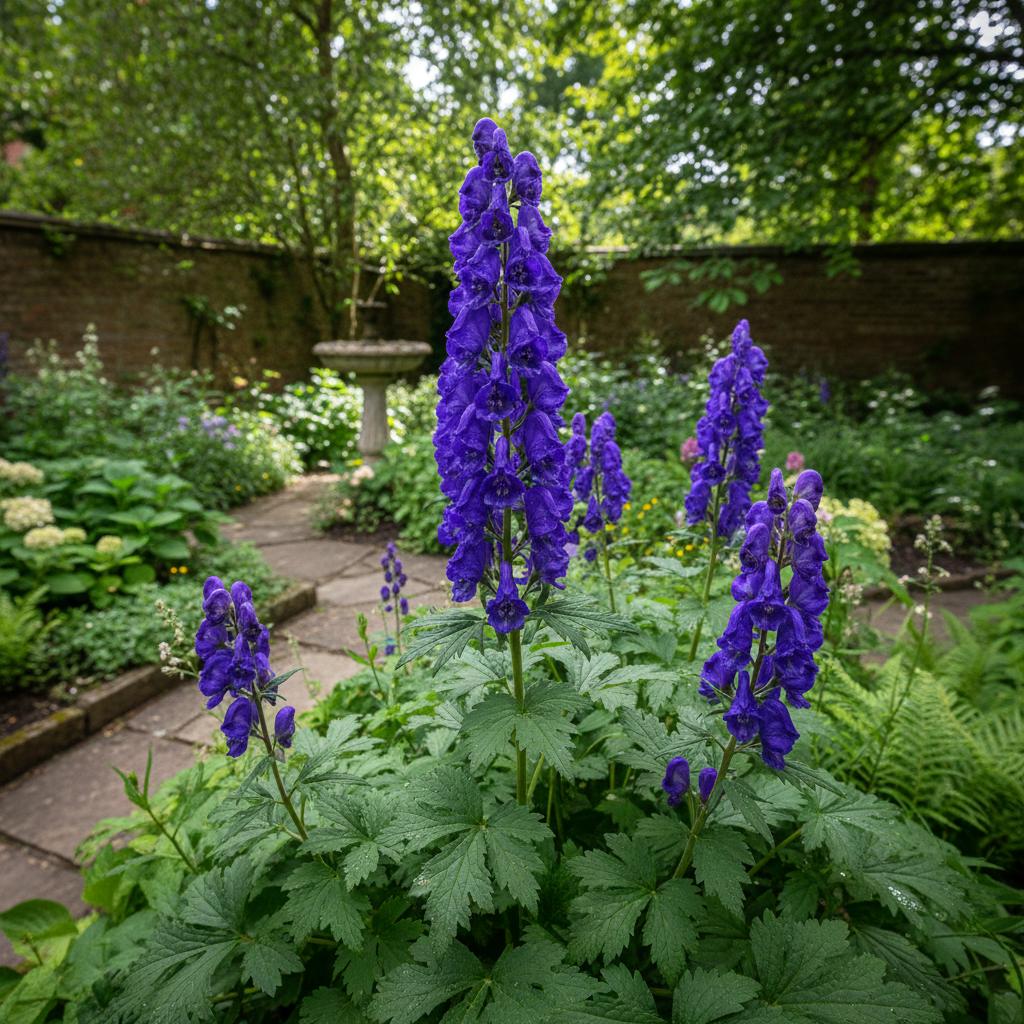
The following plants look similar and may be confused:
Related Toxic Plants
Download PlantFun App
Identify, grow and care for plants effectively!
Instant Plant ID
Take a photo to quickly identify plants.
Smart Care Reminders
Generate watering and care schedules.
Toxicity & Disease Diagnosis
Identify toxic plants and pests with treatment advice.

Data Sources
This information is for reference only and does not constitute medical advice. If ingestion or poisoning is suspected, seek medical or veterinary attention immediately.