 PlantFun
Salad Burnet Toxic?
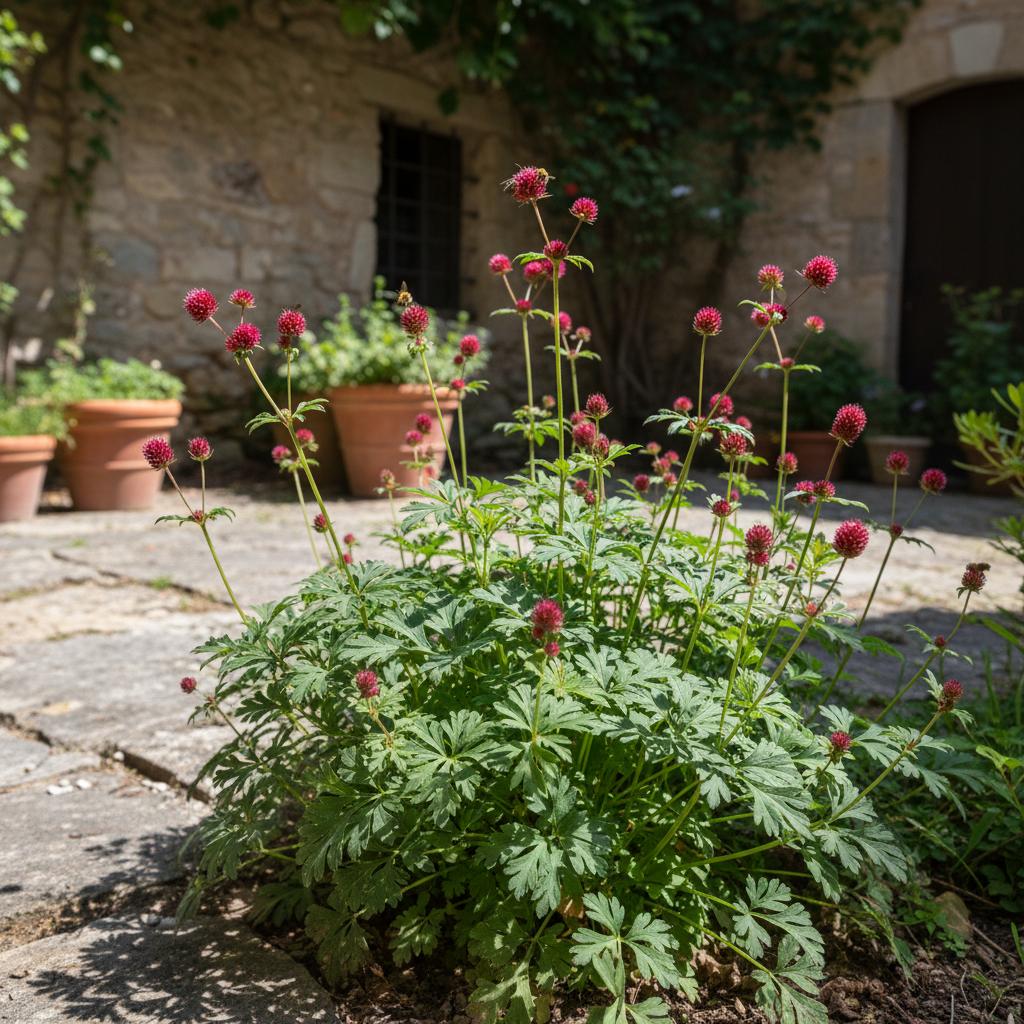
Salad Burnet is classified as non-toxic to cats, dogs, and horses per available toxicology data
No adverse toxic effects are expected after incidental ingestion of this plant by the listed species
This herb is considered safe for human consumption and is commonly used in culinary applications
FAQ
Is Salad Burnet toxic to Humans?
No known toxic symptoms; mild transient digestive upset may occur only if extremely large quantities are consumed (Non-toxic)
Is Salad Burnet toxic to Cats?
No known toxic symptoms; mild loose stools may occur rarely after overconsumption (Non-toxic)
Is Salad Burnet toxic to Dogs?
No known toxic symptoms; mild transient digestive upset may occur rarely after overconsumption (Non-toxic)
Is Salad Burnet toxic to Horses?
No known toxic symptoms; no adverse effects reported even when consumed as part of forage (Non-toxic)
Toxicity Details
No known toxic symptoms; mild transient digestive upset may occur only if extremely large quantities are consumed
No known toxic symptoms; mild loose stools may occur rarely after overconsumption
No known toxic symptoms; mild transient digestive upset may occur rarely after overconsumption
No known toxic symptoms; no adverse effects reported even when consumed as part of forage
Toxicity Snapshot
First Aid & Prevention
First 30 Minutes
- • Monitor the individual for mild digestive upset if large amounts of the plant are ingested
- • Offer small sips of fresh water if the individual is alert and shows no signs of distress
- • No emergency intervention is required for incidental small ingestion
Contact Vet Immediately
- • Persistent vomiting, diarrhea, or lethargy develops within 24 hours of ingesting large quantities
- • The affected animal has pre-existing gastrointestinal conditions or known plant sensitivities
Prevention
- • No specific prevention measures are required for this non-toxic herb
- • Limit access for very young animals to avoid overconsumption of unfamiliar vegetation
Treatment & Prognosis
- • Provide supportive care for mild digestive upset if present, including rest and easily digestible food
- • No specific antidote is required as no toxic effects are linked to this plant
Professional Toxicology
• No toxic mechanisms identified, as the plant does not contain harmful phytochemicals that affect humans or common domestic animals
Information from CliniTox veterinary text.
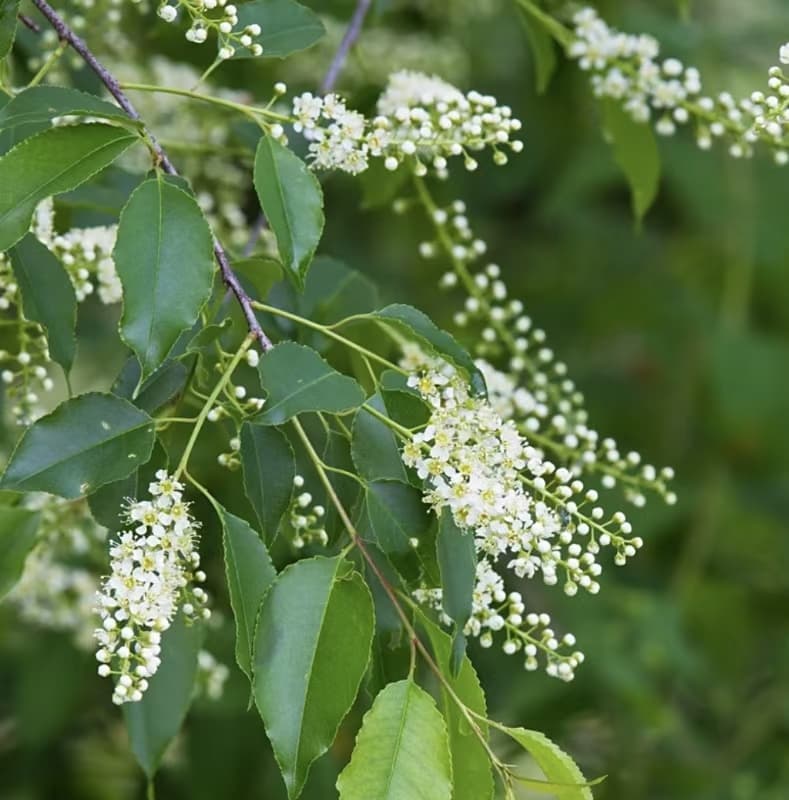
The following plants look similar and may be confused:
Related Toxic Plants


Download PlantFun App
Identify, grow and care for plants effectively!
Instant Plant ID
Take a photo to quickly identify plants.
Smart Care Reminders
Generate watering and care schedules.
Toxicity & Disease Diagnosis
Identify toxic plants and pests with treatment advice.

Data Sources
This information is for reference only and does not constitute medical advice. If ingestion or poisoning is suspected, seek medical or veterinary attention immediately.