 PlantFun
Common tormentil Toxic?

No confirmed toxicity reports exist for common tormentil in humans, cats, dogs, or horses, so it is classified as non-toxic.
High tannin content in all plant tissues may cause mild constipation or gastrointestinal upset if consumed in large quantities.
It can be confused with toxic Ranunculus (buttercup) species, so accurate identification is critical to avoid accidental poisoning.
FAQ
Is Common tormentil toxic to Humans?
No confirmed toxic symptoms reported; excessive consumption may cause mild constipation or abdominal discomfort. (Non-toxic)
Is Common tormentil toxic to Cats?
No confirmed toxic symptoms reported; excessive consumption may cause mild digestive upset or constipation. (Non-toxic)
Is Common tormentil toxic to Dogs?
No confirmed toxic symptoms reported; excessive consumption may cause mild digestive upset or constipation. (Non-toxic)
Is Common tormentil toxic to Horses?
No confirmed toxic symptoms reported; excessive consumption may cause mild digestive upset, constipation, or reduced feed intake. (Non-toxic)
Toxicity Details
No confirmed toxic symptoms reported; excessive consumption may cause mild constipation or abdominal discomfort.
No confirmed toxic symptoms reported; excessive consumption may cause mild digestive upset or constipation.
No confirmed toxic symptoms reported; excessive consumption may cause mild digestive upset or constipation.
No confirmed toxic symptoms reported; excessive consumption may cause mild digestive upset, constipation, or reduced feed intake.
Toxicity Snapshot
First Aid & Prevention
First 30 Minutes
- • Remove any remaining plant material from the mouth of the affected human or animal
- • Offer small amounts of fresh water to reduce gastrointestinal irritation from tannins
- • Monitor for signs of abdominal discomfort or constipation for the first 24 hours post-consumption
Contact Vet Immediately
- • If the affected animal shows persistent constipation, abdominal pain, or loss of appetite lasting over 24 hours
- • If you suspect the consumed plant was a toxic Ranunculus species rather than common tormentil
- • If a large quantity of the plant was consumed by a small pet, young child, or underweight livestock
Prevention
- • Properly identify common tormentil and its toxic lookalikes before foraging or turning livestock out to graze in affected areas
- • Remove toxic Ranunculus species from pastures to eliminate risk of accidental misconsumption
- • Store all foraged plant materials in labeled containers out of reach of pets and small children
Treatment & Prognosis
- • Provide supportive care including extra fluids and a high-fiber diet to relieve constipation caused by high tannin intake
- • If the plant was misidentified as a toxic Ranunculus species, follow appropriate poisoning treatment protocols as directed by a medical professional or veterinarian
- • No specific antidote is required, as no confirmed toxic effects are associated with consumption of this plant
Professional Toxicology
• High tannin content produces astringent effects on the gastrointestinal mucosa, which can lead to temporary constipation if large quantities are consumed; no toxic mechanisms have been documented for this species
Information from CliniTox veterinary text.
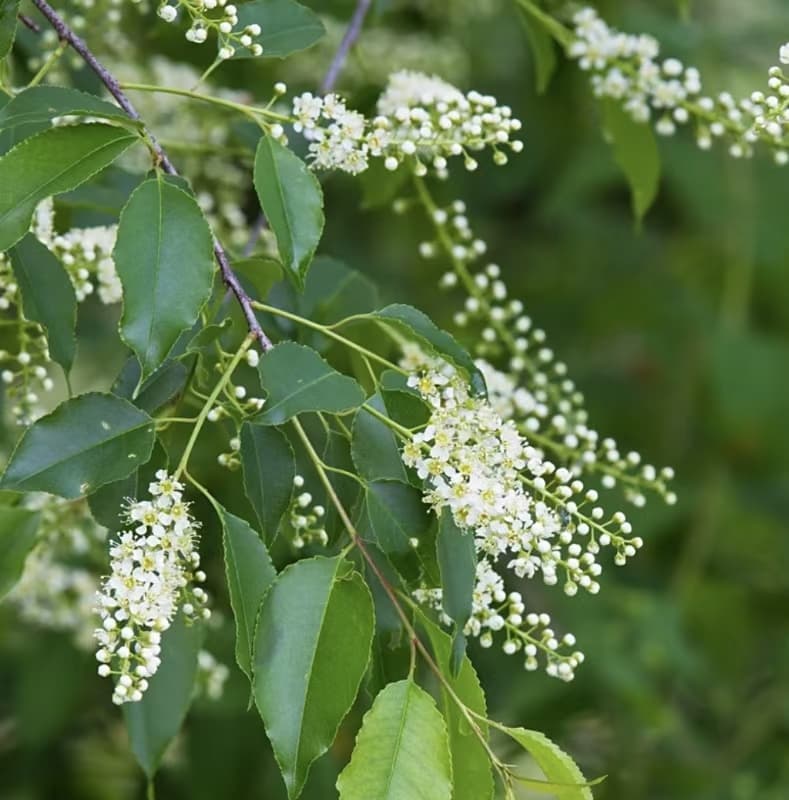
The following plants look similar and may be confused:
Related Toxic Plants


Download PlantFun App
Identify, grow and care for plants effectively!
Instant Plant ID
Take a photo to quickly identify plants.
Smart Care Reminders
Generate watering and care schedules.
Toxicity & Disease Diagnosis
Identify toxic plants and pests with treatment advice.

Data Sources
This information is for reference only and does not constitute medical advice. If ingestion or poisoning is suspected, seek medical or veterinary attention immediately.