 PlantFun
American pokeweed Toxic?
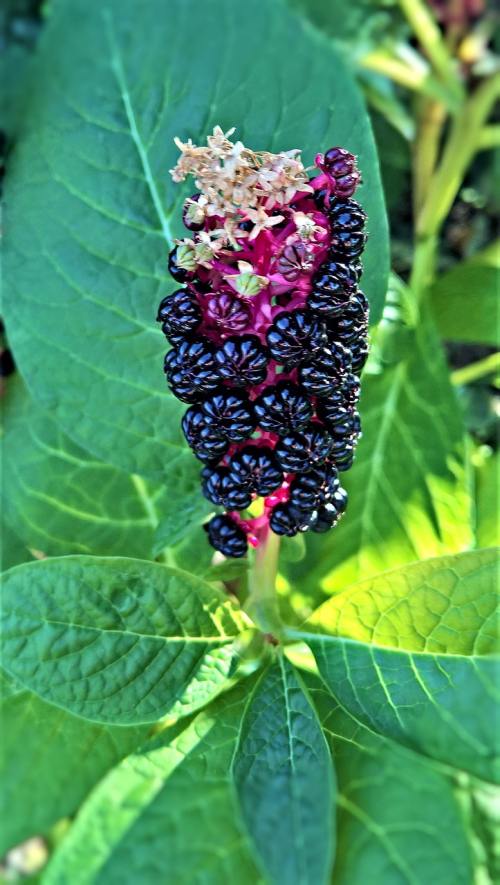
All plant parts are toxic, with rootstock being the most toxic and ripe fruits having the lowest toxicity level
Ingestion causes severe gastrointestinal symptoms, spasms, hypotension, and may lead to death via respiratory paralysis in severe cases
Treatment relies on decontamination and symptomatic care; livestock recover quickly if contaminated feed is removed promptly
FAQ
Is American pokeweed toxic to Humans?
Vomiting, abdominal cramps, persistent (sometimes bloody) diarrhea, thirst, spasms, drowsiness, hypotension, tachycardia, central seizures, potential death from respiratory paralysis (Moderate)
Is American pokeweed toxic to Cats?
No species-specific clinical data available; ingestion is expected to cause gastrointestinal upset, lethargy, and potential neurological symptoms matching human reactions (Low)
Is American pokeweed toxic to Dogs?
No species-specific clinical data available; ingestion is expected to cause gastrointestinal upset, lethargy, and potential neurological symptoms matching human reactions (Low)
Is American pokeweed toxic to Horses?
No species-specific clinical data available; ingestion is expected to cause gastrointestinal upset, lethargy, and potential neurological symptoms matching human reactions (Low)
Toxicity Details
Vomiting, abdominal cramps, persistent (sometimes bloody) diarrhea, thirst, spasms, drowsiness, hypotension, tachycardia, central seizures, potential death from respiratory paralysis
No species-specific clinical data available; ingestion is expected to cause gastrointestinal upset, lethargy, and potential neurological symptoms matching human reactions
No species-specific clinical data available; ingestion is expected to cause gastrointestinal upset, lethargy, and potential neurological symptoms matching human reactions
No species-specific clinical data available; ingestion is expected to cause gastrointestinal upset, lethargy, and potential neurological symptoms matching human reactions
Toxicity Snapshot
First Aid & Prevention
First 30 Minutes
- • Rinse mouth thoroughly with clean water to remove remaining plant material if ingested
- • Do not induce vomiting unless explicitly directed by a medical or veterinary professional
- • Move the exposed person/animal to fresh air and keep them calm to avoid worsening symptoms
Contact Vet Immediately
- • Any confirmed ingestion of American pokeweed by pets or livestock
- • Appearance of symptoms including vomiting, bloody diarrhea, seizures or lethargy after exposure
- • Confirmed ingestion of large quantities of the plant, especially root material
Prevention
- • Remove pokeweed plants from areas accessible to children, pets and grazing livestock
- • Do not consume any raw part of the plant, even ripe fruits, without verified safe processing expertise
- • Inspect livestock feed regularly for potential pokeweed contamination
Treatment & Prognosis
- • Perform gastrointestinal decontamination via activated charcoal or gastric lavage where clinically appropriate
- • Provide symptomatic supportive care including fluid therapy, anti-diarrheal and anti-seizure medication as needed
- • Monitor cardiovascular and respiratory function until symptoms fully resolve
Professional Toxicology
• Triterpene saponins irritate gastrointestinal mucosal linings, causing bleeding, cramping and diarrhea
• Ribosome-inactivating proteins inhibit cellular protein synthesis, leading to widespread tissue damage at high doses
• Mitogenic lectins trigger inflammatory responses and disrupt central nervous system function
Information from CliniTox veterinary text.
The following plants look similar and may be confused:
Related Toxic Plants


Download PlantFun App
Identify, grow and care for plants effectively!
Instant Plant ID
Take a photo to quickly identify plants.
Smart Care Reminders
Generate watering and care schedules.
Toxicity & Disease Diagnosis
Identify toxic plants and pests with treatment advice.

Data Sources
This information is for reference only and does not constitute medical advice. If ingestion or poisoning is suspected, seek medical or veterinary attention immediately.