 PlantFun
Avocado Toxic?
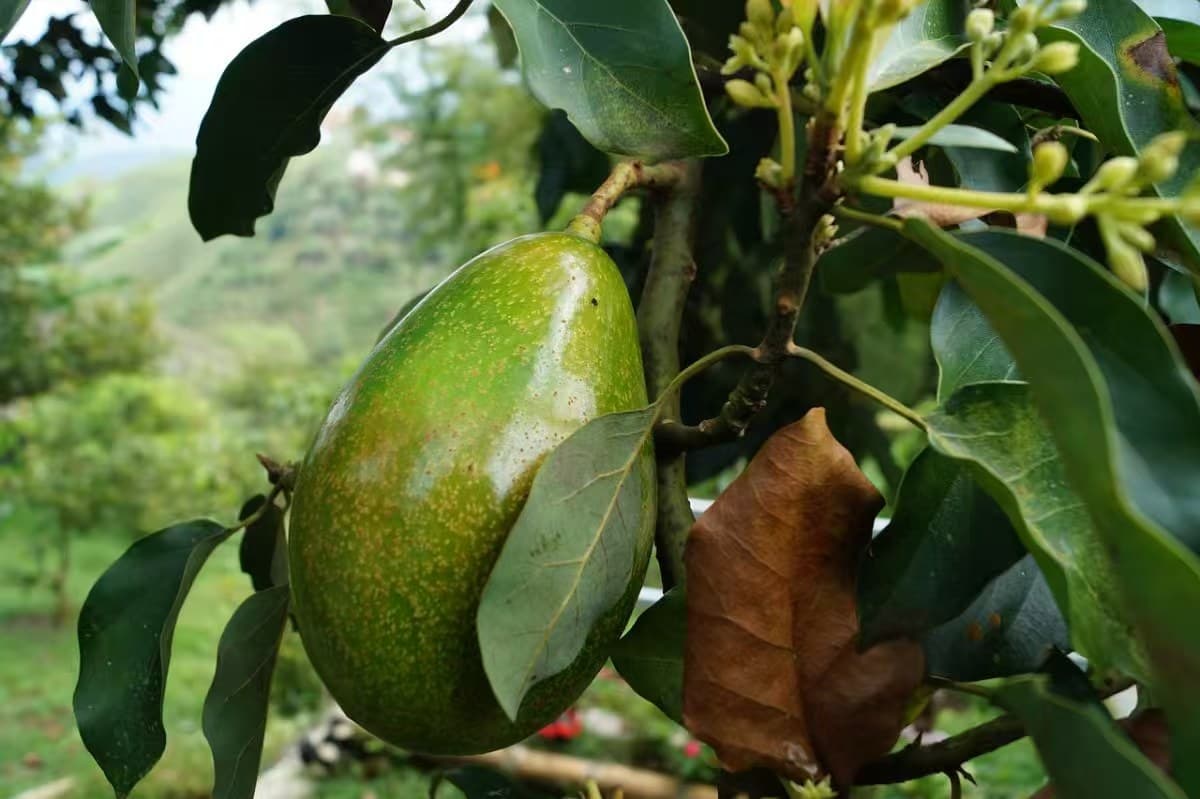
Avocado is confirmed toxic to horses, while its toxicity to cats and dogs is currently unconfirmed by leading toxicology bodies.
The primary toxic compound persin is found in leaves, bark, seeds, peel, and fruit flesh, especially in Mexican and Guatemalan varieties grown in North America.
Consumption can cause life-threatening signs including heart failure, respiratory distress, and permanent reduced lactation in affected animals.
FAQ
Is Avocado toxic to Humans?
No confirmed toxicity from consumption of ripe, peeled avocado fruit; ingestion of large quantities of leaves, bark, or seeds may cause mild to moderate gastrointestinal upset. (Non-toxic)
Is Avocado toxic to Cats?
Toxicity status unknown; no widely confirmed clinical symptoms documented from typical exposure. (Low)
Is Avocado toxic to Dogs?
Toxicity status unknown; no widely confirmed clinical symptoms documented from typical exposure. (Low)
Is Avocado toxic to Horses?
Lethargy, respiratory distress, heart failure, subcutaneous edema; lactating mares may develop non-infectious mastitis with up to 75% reduced milk production or complete agalactia. (Moderate)
Toxicity Details
No confirmed toxicity from consumption of ripe, peeled avocado fruit; ingestion of large quantities of leaves, bark, or seeds may cause mild to moderate gastrointestinal upset.
Toxicity status unknown; no widely confirmed clinical symptoms documented from typical exposure.
Toxicity status unknown; no widely confirmed clinical symptoms documented from typical exposure.
Lethargy, respiratory distress, heart failure, subcutaneous edema; lactating mares may develop non-infectious mastitis with up to 75% reduced milk production or complete agalactia.
Toxicity Snapshot
First Aid & Prevention
First 30 Minutes
- • Remove any remaining avocado plant material from the animal's mouth and immediate environment.
- • If ingestion occurred within the last 2 hours and the animal is conscious, contact a vet immediately for advice on inducing vomiting.
- • Collect a sample of the ingested avocado part to show the veterinarian for confirmation of exposure.
Contact Vet Immediately
- • Your animal has ingested any part of an avocado plant, especially leaves, bark, seeds, or unripe fruit.
- • The animal shows symptoms including lethargy, difficulty breathing, swelling, or reduced milk production (lactating animals).
- • The affected animal is a horse, as this species has a confirmed high risk of severe adverse reactions.
Prevention
- • Never feed any part of avocado plants (leaves, bark, seeds, peel, unripe fruit) to pets or livestock, especially horses.
- • Keep avocado houseplants, discarded peels, and seeds out of reach of all companion animals.
- • Avoid grazing horses in areas where Mexican or Guatemalan avocado varieties are grown.
Treatment & Prognosis
- • Administer decontamination measures including activated charcoal and induced vomiting if ingestion was recent, per veterinary direction.
- • Provide symptomatic supportive care: respiratory support for dyspnea, anti-inflammatory care for mastitis, and continuous cardiac monitoring.
- • Monitor lactating animals closely for reduced milk production, which may be permanent even after full recovery from mastitis.
Professional Toxicology
• Persin, a polyketide acetogenin, is the primary toxic compound that causes tissue damage consistent with whole plant exposure.
• Low persin doses damage mammary gland tissue in lactating animals, leading to non-infectious mastitis and reduced milk production.
• Higher persin doses cause myocardial damage, leading to heart failure, respiratory distress, and subcutaneous edema in non-lactating animals.
Information from CliniTox veterinary text.
The following plants look similar and may be confused:
Related Toxic Plants



Download PlantFun App
Identify, grow and care for plants effectively!
Instant Plant ID
Take a photo to quickly identify plants.
Smart Care Reminders
Generate watering and care schedules.
Toxicity & Disease Diagnosis
Identify toxic plants and pests with treatment advice.

Data Sources
This information is for reference only and does not constitute medical advice. If ingestion or poisoning is suspected, seek medical or veterinary attention immediately.