 PlantFun
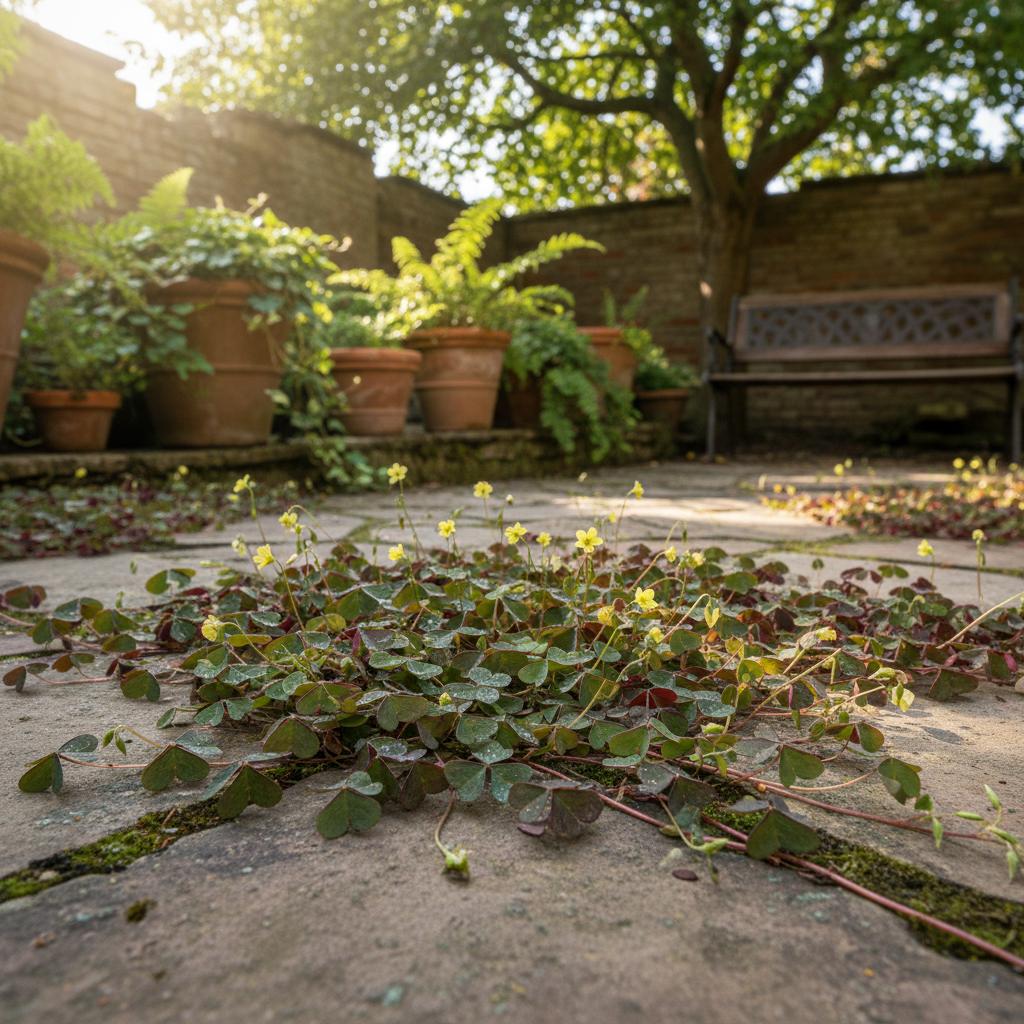
Wood sorrel Toxic?

All parts of the plant are toxic, with leaves containing 0.3-1.25% oxalic acid and oxalates
Ingestion of large volumes can trigger gastrointestinal distress, muscle cramps, and heart arrhythmia
Calcium administration is the first-line treatment to precipitate harmful oxalates in the body
FAQ
Is Wood sorrel toxic to Humans?
No species-specific data documented; large ingestion may cause gastrointestinal upset, muscle cramping, and abnormal heart rhythm (Moderate)
Is Wood sorrel toxic to Cats?
No species-specific clinical data available; oxalate exposure may cause oral irritation, vomiting, or diarrhea in large doses (Low)
Is Wood sorrel toxic to Dogs?
No species-specific clinical data available; oxalate exposure may cause oral irritation, vomiting, or diarrhea in large doses (Low)
Is Wood sorrel toxic to Horses?
No species-specific clinical data available; oxalate exposure may cause gastrointestinal distress and hypocalcemia in large doses (Low)
Toxicity Details
No species-specific data documented; large ingestion may cause gastrointestinal upset, muscle cramping, and abnormal heart rhythm
No species-specific clinical data available; oxalate exposure may cause oral irritation, vomiting, or diarrhea in large doses
No species-specific clinical data available; oxalate exposure may cause oral irritation, vomiting, or diarrhea in large doses
No species-specific clinical data available; oxalate exposure may cause gastrointestinal distress and hypocalcemia in large doses
Toxicity Snapshot
First Aid & Prevention
First 30 Minutes
- • Do not induce vomiting unless explicitly instructed by a medical or veterinary professional
- • Administer calcium-rich substances (e.g. milk, calcium carbonate) if safe to do so to bind oxalates
- • Collect remaining plant material for formal identification to guide treatment
Contact Vet Immediately
- • Large quantities of the plant have been ingested
- • Patient exhibits vomiting, diarrhea, muscle spasms, or abnormal heart rate
- • Symptoms persist for more than 2 hours after exposure
Prevention
- • Keep the plant out of reach of children and pets
- • Avoid foraging this plant for consumption, as it may be confused with non-toxic edible species
- • Educate foragers on the distinct 3-leaf clover-like morphology and toxicity of wood sorrel
Treatment & Prognosis
- • Administer calcium via gastric tube to precipitate ingested oxalates
- • Perform appropriate gastrointestinal decontamination based on exposure timeline
- • Provide symptomatic supportive care including fluid therapy and antiarrhythmics if required
Professional Toxicology
• Soluble oxalates bind to systemic calcium, causing acute hypocalcemia
• Insoluble calcium oxalate crystals form and cause damage to soft tissues and organ linings
Information from CliniTox veterinary text.
The following plants look similar and may be confused:
Related Toxic Plants


Download PlantFun App
Identify, grow and care for plants effectively!
Instant Plant ID
Take a photo to quickly identify plants.
Smart Care Reminders
Generate watering and care schedules.
Toxicity & Disease Diagnosis
Identify toxic plants and pests with treatment advice.

Data Sources
This information is for reference only and does not constitute medical advice. If ingestion or poisoning is suspected, seek medical or veterinary attention immediately.