 PlantFun
Marjoram Toxic?

Marjoram is confirmed toxic to cats and dogs, while its toxicity to horses remains unstudied and unknown.
Its core toxic principles are unspecified gastrointestinal irritants that trigger digestive distress in affected animals.
No formal animal poisoning cases are recorded in literature, but the plant is explicitly not appropriate for animal feed use.
FAQ
Is Marjoram toxic to Humans?
No confirmed toxicity under standard culinary use; mild digestive upset may only occur with extremely large, excessive ingestion. (Non-toxic)
Is Marjoram toxic to Cats?
Vomiting, diarrhea, mild abdominal discomfort (Low)
Is Marjoram toxic to Dogs?
Vomiting, diarrhea, mild abdominal discomfort (Low)
Is Marjoram toxic to Horses?
No clinical signs confirmed, as toxicity to horses has not been formally evaluated. (Unknown)
Toxicity Details
No confirmed toxicity under standard culinary use; mild digestive upset may only occur with extremely large, excessive ingestion.
Vomiting, diarrhea, mild abdominal discomfort
Vomiting, diarrhea, mild abdominal discomfort
No clinical signs confirmed, as toxicity to horses has not been formally evaluated.
Toxicity Snapshot
First Aid & Prevention
First 30 Minutes
- • Remove all remaining marjoram plant material from the animal's mouth and immediate environment right away.
- • Do not induce vomiting unless explicitly instructed to do so by a licensed veterinarian.
- • Offer small sips of fresh water to soothe irritation if the animal is alert, responsive, and able to swallow normally.
Contact Vet Immediately
- • If your cat or dog has ingested marjoram and develops vomiting, diarrhea, or lethargy after exposure.
- • If digestive symptoms persist for more than 2 hours after ingestion, or if the animal refuses food or water.
- • If a horse has ingested large quantities of marjoram and exhibits any unusual behavioral or physical changes.
Prevention
- • Keep potted or cut marjoram plants out of reach of cats, dogs, and other companion animals at all times.
- • Never add marjoram or marjoram-derived products to homemade animal feed, treats, or forage supplies.
- • Label garden-planted marjoram clearly to avoid accidental harvesting for animal consumption.
Treatment & Prognosis
- • Veterinary supportive care including fluid therapy to correct dehydration from prolonged vomiting or diarrhea.
- • Vet-prescribed anti-emetic or antidiarrheal medications to manage symptomatic digestive distress as needed.
- • Electrolyte level monitoring for animals with severe, prolonged digestive symptoms to prevent complications.
Professional Toxicology
• Unspecified gastrointestinal irritants inflame the lining of the stomach and intestines, triggering protective vomiting and diarrhea responses in susceptible species.
Information from CliniTox veterinary text.
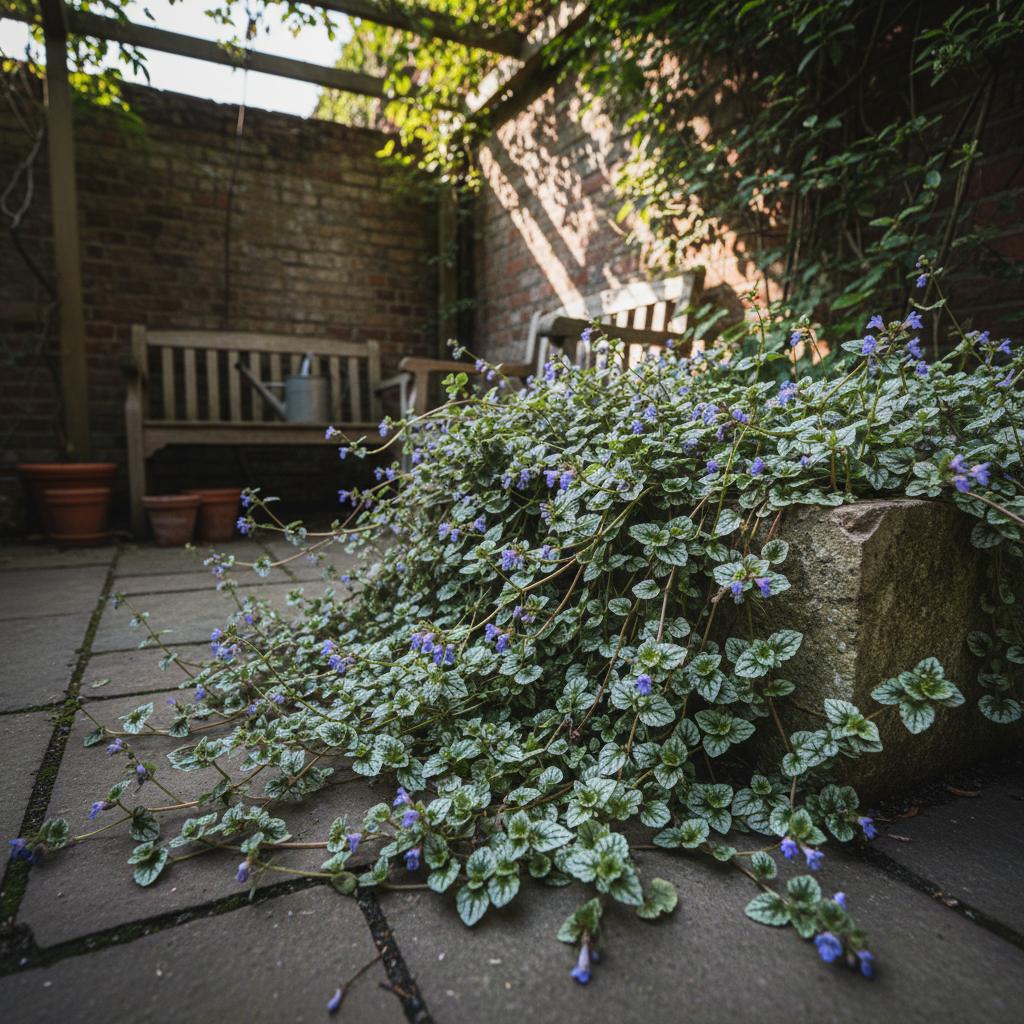
The following plants look similar and may be confused:
Related Toxic Plants


Download PlantFun App
Identify, grow and care for plants effectively!
Instant Plant ID
Take a photo to quickly identify plants.
Smart Care Reminders
Generate watering and care schedules.
Toxicity & Disease Diagnosis
Identify toxic plants and pests with treatment advice.

Data Sources
This information is for reference only and does not constitute medical advice. If ingestion or poisoning is suspected, seek medical or veterinary attention immediately.