 PlantFun
Paper White Toxic?
All plant parts are toxic, with bulbs being the most poisonous portion of the plant
The species is confirmed toxic to cats, dogs, and horses, with no safe ingestion amount
Large ingestions can cause life-threatening neurological and cardiac symptoms requiring urgent care
FAQ
Is Paper White toxic to Humans?
Vomiting, salivation, diarrhea; large ingestions may cause convulsions, low blood pressure, tremors and cardiac arrhythmias (Moderate)
Is Paper White toxic to Cats?
Vomiting, excessive salivation, diarrhea; large ingestions lead to convulsions, low blood pressure, tremors and cardiac arrhythmias (High)
Is Paper White toxic to Dogs?
Vomiting, excessive salivation, diarrhea; large ingestions lead to convulsions, low blood pressure, tremors and cardiac arrhythmias (High)
Is Paper White toxic to Horses?
Vomiting (colic in horses), excessive salivation, diarrhea; large ingestions lead to convulsions, low blood pressure, tremors and cardiac arrhythmias (High)
Toxicity Details
Vomiting, salivation, diarrhea; large ingestions may cause convulsions, low blood pressure, tremors and cardiac arrhythmias
Vomiting, excessive salivation, diarrhea; large ingestions lead to convulsions, low blood pressure, tremors and cardiac arrhythmias
Vomiting, excessive salivation, diarrhea; large ingestions lead to convulsions, low blood pressure, tremors and cardiac arrhythmias
Vomiting (colic in horses), excessive salivation, diarrhea; large ingestions lead to convulsions, low blood pressure, tremors and cardiac arrhythmias
Toxicity Snapshot
First Aid & Prevention
First 30 Minutes
- • Remove all remaining plant material from the affected individual/animal's mouth immediately
- • Rinse the mouth thoroughly with clean, cool water to remove residual plant sap
- • Do not induce vomiting unless explicitly instructed to do so by a doctor or veterinarian
Contact Vet Immediately
- • Any confirmed ingestion of Paper White plant material, especially bulbs
- • Onset of symptoms including vomiting, diarrhea, tremors, or abnormal heart rhythm
- • Ingestion of more than a small bite of any plant part by pets or livestock
Prevention
- • Keep potted Paper White plants, cut flowers, and stored bulbs out of reach of pets, children, and livestock
- • Label stored Narcissus bulbs clearly to avoid confusion with edible bulbs like onions or garlic
- • Dispose of wilted flowers, fallen foliage, and trimmed plant material immediately where animals cannot access it
Treatment & Prognosis
- • Decontamination via activated charcoal administration under professional supervision
- • Supportive IV fluid therapy to maintain hydration, electrolyte balance and stable blood pressure
- • Symptomatic treatment for seizures, cardiac arrhythmias, and other severe clinical signs as required
Professional Toxicology
• Lycorine and other alkaloids irritate the gastrointestinal mucosa on contact
• Alkaloids disrupt protein synthesis and interfere with nervous system and cardiac cell function
Information from CliniTox veterinary text.
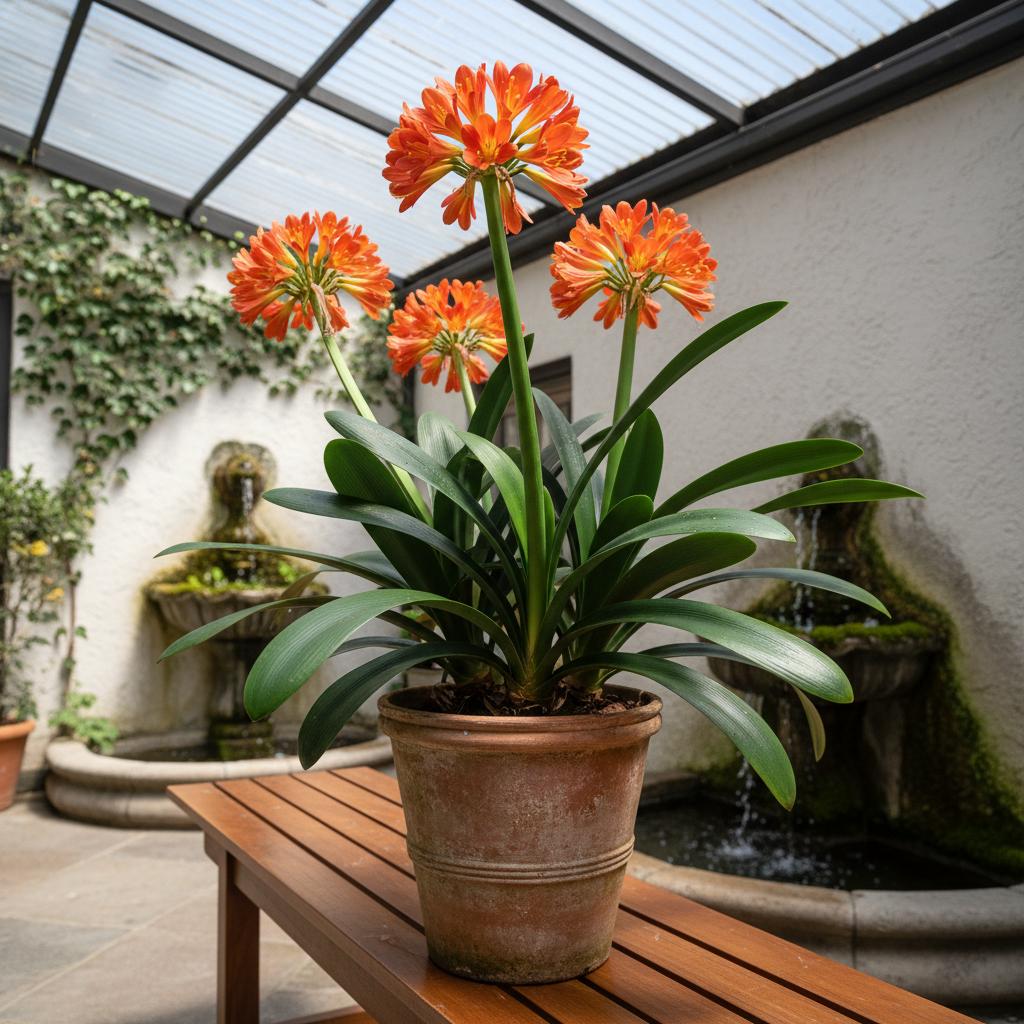
The following plants look similar and may be confused:
Related Toxic Plants

Download PlantFun App
Identify, grow and care for plants effectively!
Instant Plant ID
Take a photo to quickly identify plants.
Smart Care Reminders
Generate watering and care schedules.
Toxicity & Disease Diagnosis
Identify toxic plants and pests with treatment advice.

Data Sources
This information is for reference only and does not constitute medical advice. If ingestion or poisoning is suspected, seek medical or veterinary attention immediately.