 PlantFun
Kaffir Lily Toxic?
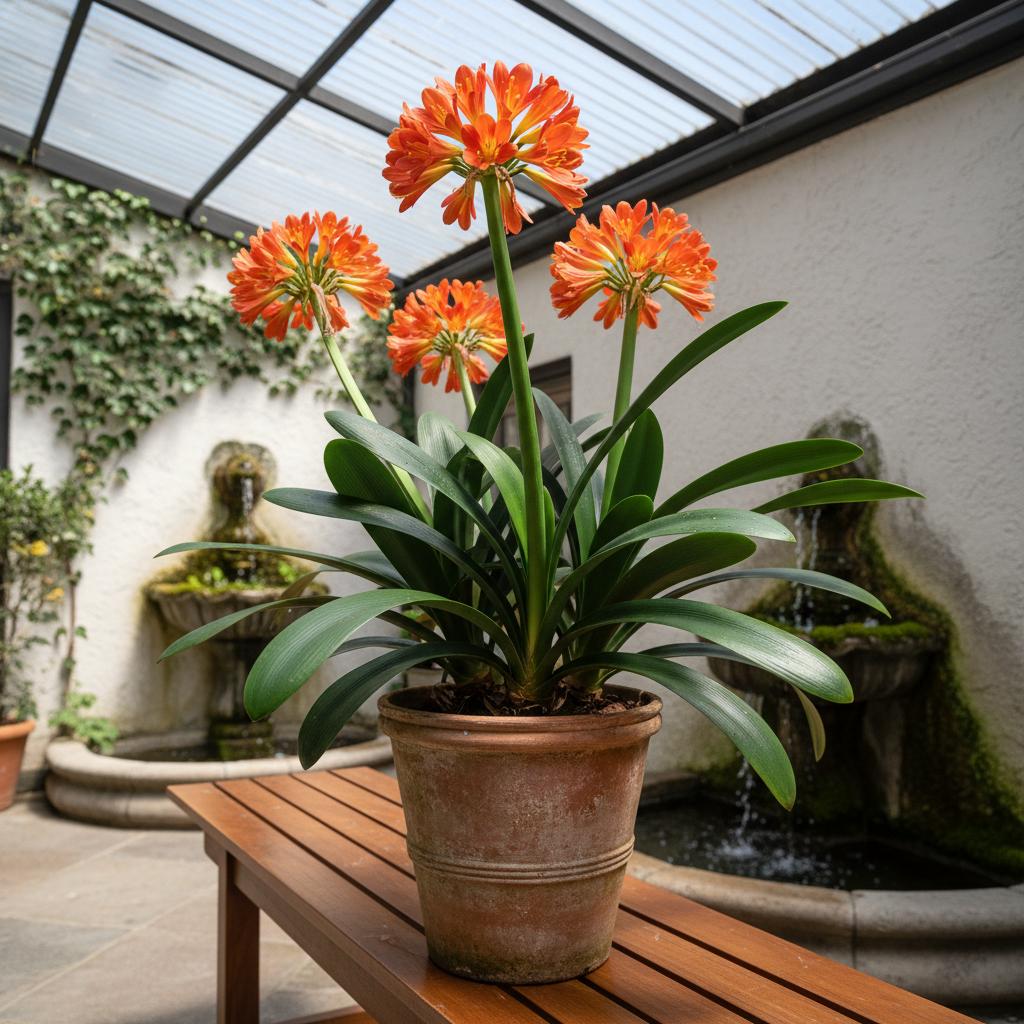
All plant parts are toxic, with the highest concentration of harmful alkaloids found in the roots.
Ingestion causes immediate gastrointestinal symptoms including salivation, vomiting, and diarrhea.
Large ingestion doses can lead to dangerous central nervous system paralysis.
FAQ
Is Kaffir Lily toxic to Humans?
Salivation, vomiting, diarrhea; central nervous system paralysis may occur following ingestion of large quantities (Moderate)
Is Kaffir Lily toxic to Cats?
No species-specific data available, but expected to cause salivation, vomiting, diarrhea, and potential neurological effects; seek veterinary care immediately for any exposure (Moderate)
Is Kaffir Lily toxic to Dogs?
No species-specific data available, but expected to cause salivation, vomiting, diarrhea, and potential neurological effects; seek veterinary care immediately for any exposure (Moderate)
Is Kaffir Lily toxic to Horses?
No species-specific data available, but expected to cause salivation, vomiting, diarrhea, and potential neurological effects; seek veterinary care immediately for any exposure (Moderate)
Toxicity Details
Salivation, vomiting, diarrhea; central nervous system paralysis may occur following ingestion of large quantities
No species-specific data available, but expected to cause salivation, vomiting, diarrhea, and potential neurological effects; seek veterinary care immediately for any exposure
No species-specific data available, but expected to cause salivation, vomiting, diarrhea, and potential neurological effects; seek veterinary care immediately for any exposure
No species-specific data available, but expected to cause salivation, vomiting, diarrhea, and potential neurological effects; seek veterinary care immediately for any exposure
Toxicity Snapshot
First Aid & Prevention
First 30 Minutes
- • Rinse the mouth thoroughly with clean water to remove any remaining plant residue immediately after ingestion
- • Do not induce vomiting unless explicitly instructed to do so by a medical professional or licensed veterinarian
- • Collect a sample of the ingested plant to share with healthcare providers for accurate diagnosis
Contact Vet Immediately
- • Any confirmed or suspected ingestion of Clivia miniata by pets, livestock, or young children
- • Development of symptoms including excessive salivation, vomiting, diarrhea, lethargy, or difficulty moving after exposure
- • Accidental exposure of vulnerable individuals (e.g. infants, immunocompromised people) to the plant
Prevention
- • Keep Clivia miniata plants placed out of reach of children, cats, dogs, and horses at all times
- • Wear disposable gloves when pruning, repotting, or handling cut plant material to avoid contact with toxic sap
- • Clearly label the plant as toxic to alert all household members and visitors of the ingestion risk
Treatment & Prognosis
- • Administer decontamination measures such as activated charcoal under medical or veterinary supervision as soon as possible post-ingestion
- • Provide symptomatic supportive care including fluid therapy and anti-emetics to manage gastrointestinal symptoms
- • Administer atropine to counter observed cholinergic effects, as directed by clinical guidelines
Professional Toxicology
• Toxic alkaloids (primarily lycorine) irritate the gastrointestinal mucosa, triggering excessive salivation, vomiting, and diarrhea
• High doses of alkaloids exert cholinergic effects on the central nervous system, leading to paralysis in severe cases
Information from CliniTox veterinary text.
The following plants look similar and may be confused:
Related Toxic Plants



Download PlantFun App
Identify, grow and care for plants effectively!
Instant Plant ID
Take a photo to quickly identify plants.
Smart Care Reminders
Generate watering and care schedules.
Toxicity & Disease Diagnosis
Identify toxic plants and pests with treatment advice.

Data Sources
This information is for reference only and does not constitute medical advice. If ingestion or poisoning is suspected, seek medical or veterinary attention immediately.