 PlantFun
Daffodil Toxic?
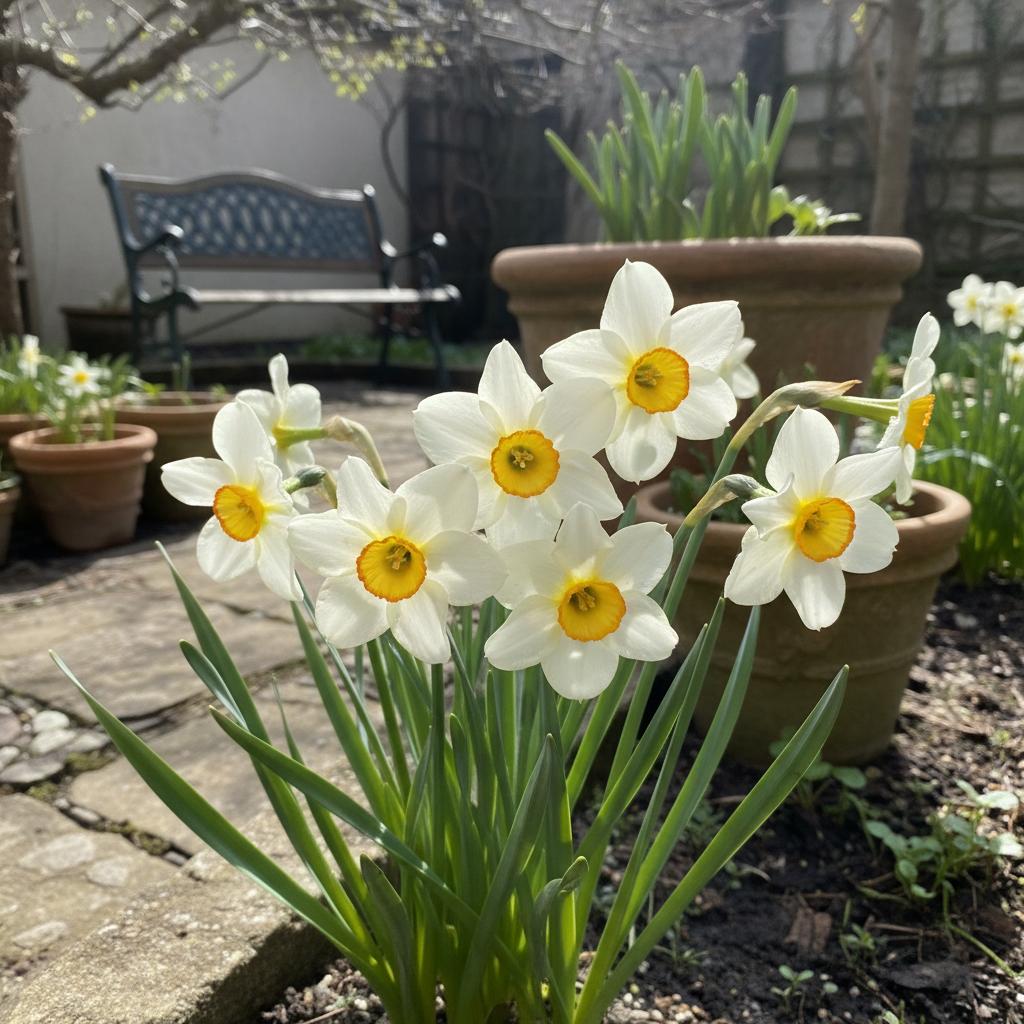
All plant parts are toxic, with the bulb containing up to 0.15% toxic alkaloids by fresh weight
Ingestion can cause fatal poisoning in dogs and cattle, with non-fatal cases reported for humans and other livestock
Even leftover flower water from cut daffodil arrangements is toxic if consumed
FAQ
Is Daffodil toxic to Humans?
Vomiting, diarrhoea, colic, sweating, cardiac arrhythmia, ataxia, muscle cramps, tremors, bradycardia, hypotension (Moderate)
Is Daffodil toxic to Cats?
Vomiting, diarrhoea, abdominal pain, drooling, abnormal heart rhythm, tremors, seizures, low blood pressure (Moderate)
Is Daffodil toxic to Dogs?
Vomiting, diarrhoea, abdominal pain, drooling, abnormal heart rhythm, tremors, seizures, low blood pressure; fatal cases reported (Moderate)
Is Daffodil toxic to Horses?
Colic, diarrhoea, abnormal heart rhythm, tremors, uncoordinated movement, low blood pressure (Moderate)
Toxicity Details
Vomiting, diarrhoea, colic, sweating, cardiac arrhythmia, ataxia, muscle cramps, tremors, bradycardia, hypotension
Vomiting, diarrhoea, abdominal pain, drooling, abnormal heart rhythm, tremors, seizures, low blood pressure
Vomiting, diarrhoea, abdominal pain, drooling, abnormal heart rhythm, tremors, seizures, low blood pressure; fatal cases reported
Colic, diarrhoea, abnormal heart rhythm, tremors, uncoordinated movement, low blood pressure
Toxicity Snapshot
First Aid & Prevention
First 30 Minutes
- • If ingested, induce vomiting only if the individual is conscious and not seizing, within 1 hour of exposure
- • Rinse the mouth thoroughly with clean water to remove residual plant matter
- • Collect remaining plant parts for formal identification to guide targeted treatment
Contact Vet Immediately
- • Seizures, tremors or uncoordinated movement develop after exposure
- • Slow heart rate, difficulty breathing or abnormal heart rhythm is observed
- • Vomiting or diarrhoea persists for over 2 hours, or blood is present in vomit/stool
Prevention
- • Store daffodil bulbs separately from edible onions and out of reach of children and pets to avoid accidental ingestion
- • Discard flower water from vases holding cut daffodils to prevent unintended consumption
- • Wear gloves when handling daffodil bulbs and raw plant material to avoid skin irritation
Treatment & Prognosis
- • Administer decontamination measures including activated charcoal or gastric lavage as clinically appropriate
- • Provide symptomatic care: fluid therapy for dehydration, anti-convulsants for seizures, and pain relief for abdominal discomfort
- • Administer atropine to treat bradycardia (slow heart rate) as prescribed by a qualified clinician
Professional Toxicology
• Toxic alkaloids irritate gastrointestinal mucosa, causing vomiting, diarrhoea and abdominal pain
• Alkaloids interfere with cardiac conduction, leading to arrhythmia, bradycardia and hypotension
• Alkaloids act on the central nervous system, triggering ataxia, tremors and seizures
Information from CliniTox veterinary text.
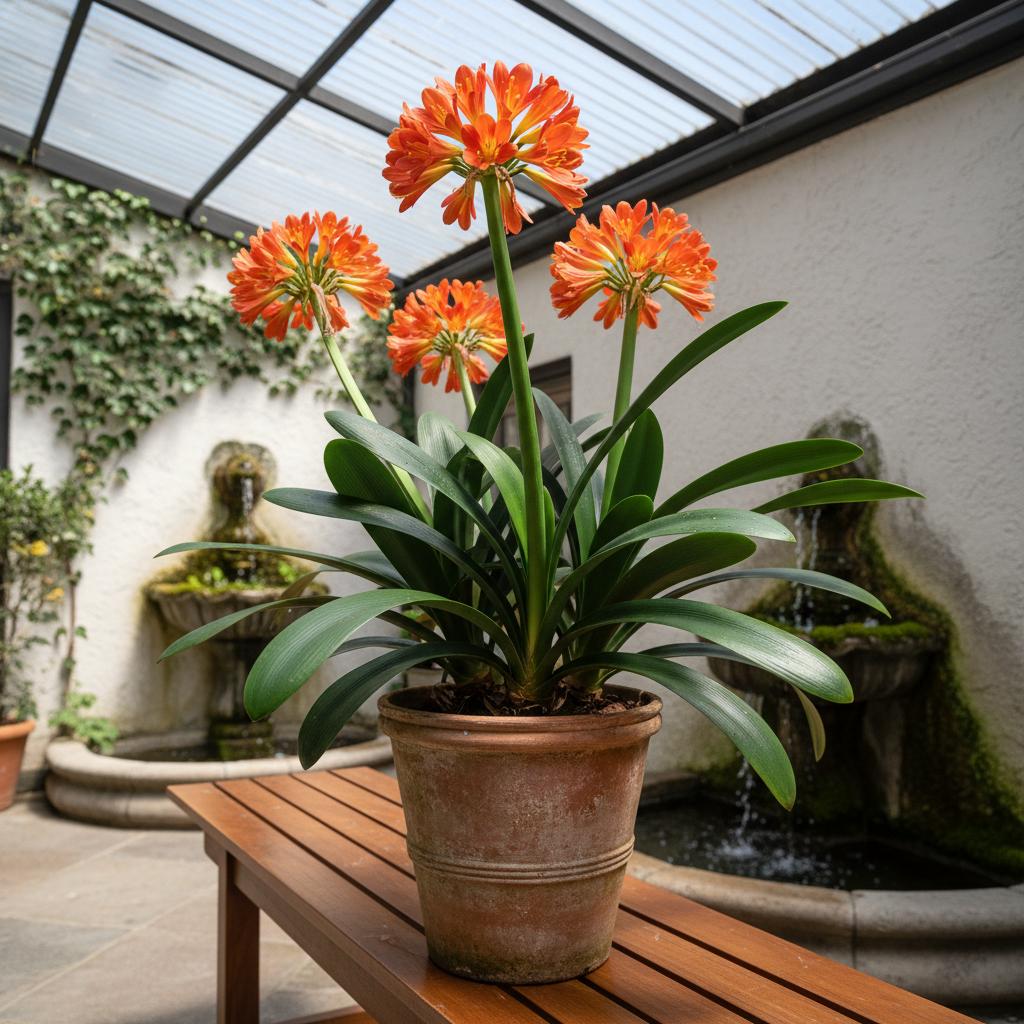
The following plants look similar and may be confused:
Related Toxic Plants


Download PlantFun App
Identify, grow and care for plants effectively!
Instant Plant ID
Take a photo to quickly identify plants.
Smart Care Reminders
Generate watering and care schedules.
Toxicity & Disease Diagnosis
Identify toxic plants and pests with treatment advice.

Data Sources
This information is for reference only and does not constitute medical advice. If ingestion or poisoning is suspected, seek medical or veterinary attention immediately.