 PlantFun
Grape Hyacinth Toxic?
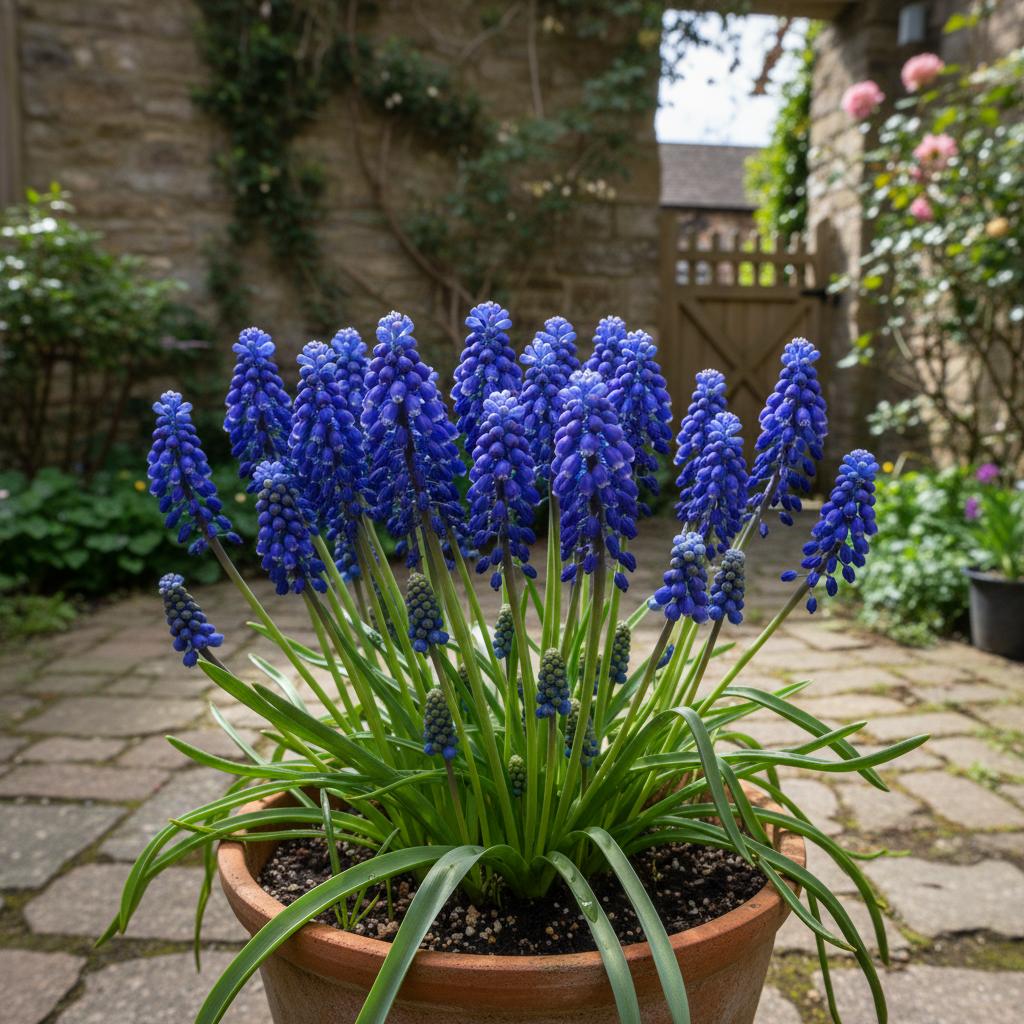
ASPCA classifies Muscari armeniacum as non-toxic, with no identified harmful toxic compounds.
The plant poses no confirmed poisoning risk to cats or dogs from typical ingestion or contact exposure.
Equine toxicity status is unstudied and unknown, so caution is recommended for exposure to horses.
FAQ
Is Grape Hyacinth toxic to Humans?
No confirmed toxicity reports; mild, temporary gastrointestinal upset may occur only with extremely excessive ingestion. (Non-toxic)
Is Grape Hyacinth toxic to Cats?
No known toxic symptoms, as the plant is confirmed non-toxic to cats. (Non-toxic)
Is Grape Hyacinth toxic to Dogs?
No known toxic symptoms, as the plant is confirmed non-toxic to dogs. (Non-toxic)
Is Grape Hyacinth toxic to Horses?
No documented poisoning symptoms; risk of adverse effects is unconfirmed. (Unknown)
Toxicity Details
No confirmed toxicity reports; mild, temporary gastrointestinal upset may occur only with extremely excessive ingestion.
No known toxic symptoms, as the plant is confirmed non-toxic to cats.
No known toxic symptoms, as the plant is confirmed non-toxic to dogs.
No documented poisoning symptoms; risk of adverse effects is unconfirmed.
Toxicity Snapshot
First Aid & Prevention
First 30 Minutes
- • Wipe any remaining plant material from the mouth of exposed humans or pets, and offer small amounts of drinking water.
- • Monitor exposed individuals for unusual behavior, though adverse reactions are extremely unlikely for cats and dogs.
- • Restrict horse access to additional plant material if large quantities are ingested, and observe for signs of distress.
Contact Vet Immediately
- • A cat or dog exhibits persistent vomiting, diarrhea, or lethargy after plant exposure.
- • A horse ingests large volumes of the plant and shows signs of gastrointestinal upset or unusual behavior.
- • A child ingests very large quantities of the plant and experiences persistent abdominal discomfort.
Prevention
- • No special restrictions are needed for households with cats or dogs, as the plant is non-toxic.
- • Avoid planting large volumes of the plant in horse pastures until equine safety data is available.
- • Keep small bulbs out of reach of toddlers to prevent choking hazards from accidental swallowing.
Treatment & Prognosis
- • No specific treatment is required for standard exposure to cats or dogs, as the plant is non-toxic.
- • Provide supportive care including fluids for rare cases of mild gastrointestinal upset from excessive ingestion.
- • Follow veterinarian-directed supportive care for horses that develop symptoms after large ingestion.
Professional Toxicology
• No identified toxic mechanism for cats or dogs, as no harmful compounds are present in the plant.
• Equine physiological response to plant components has not been formally studied.
Information from CliniTox veterinary text.
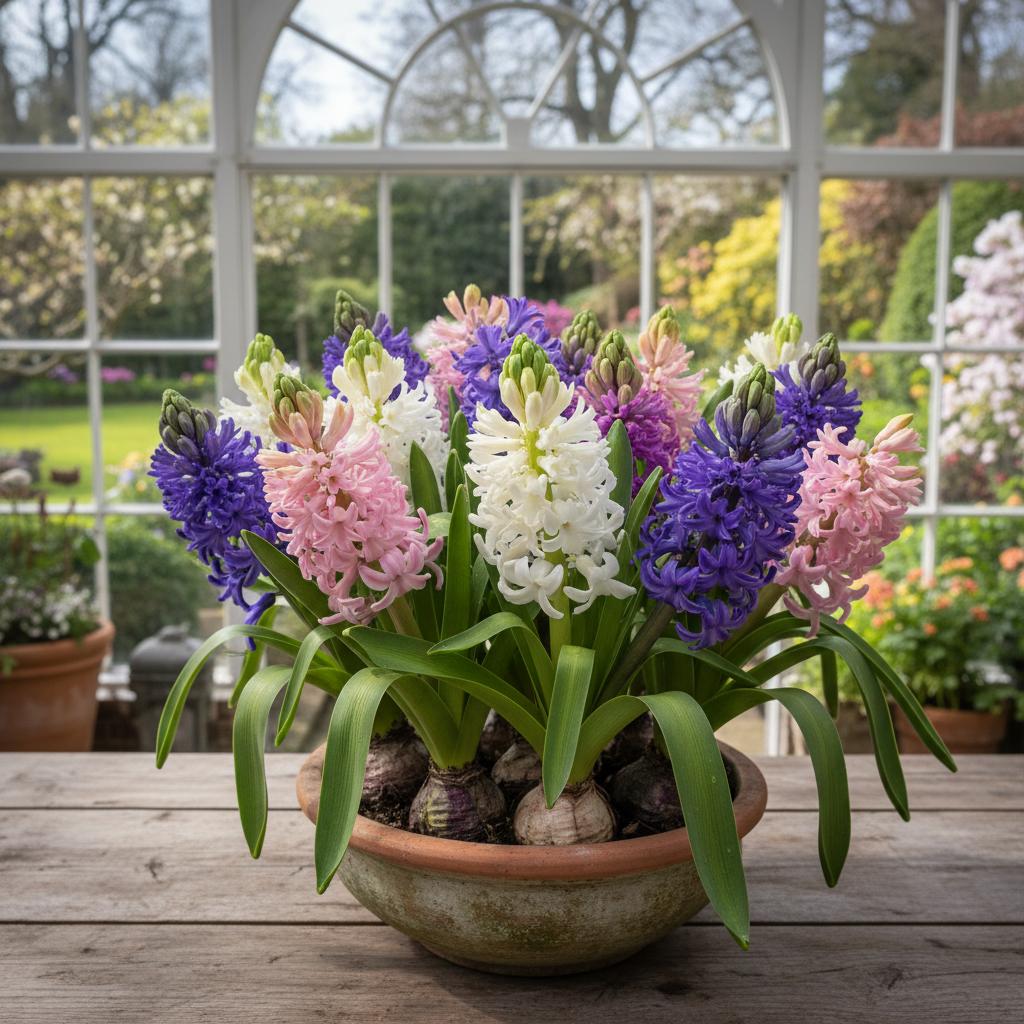
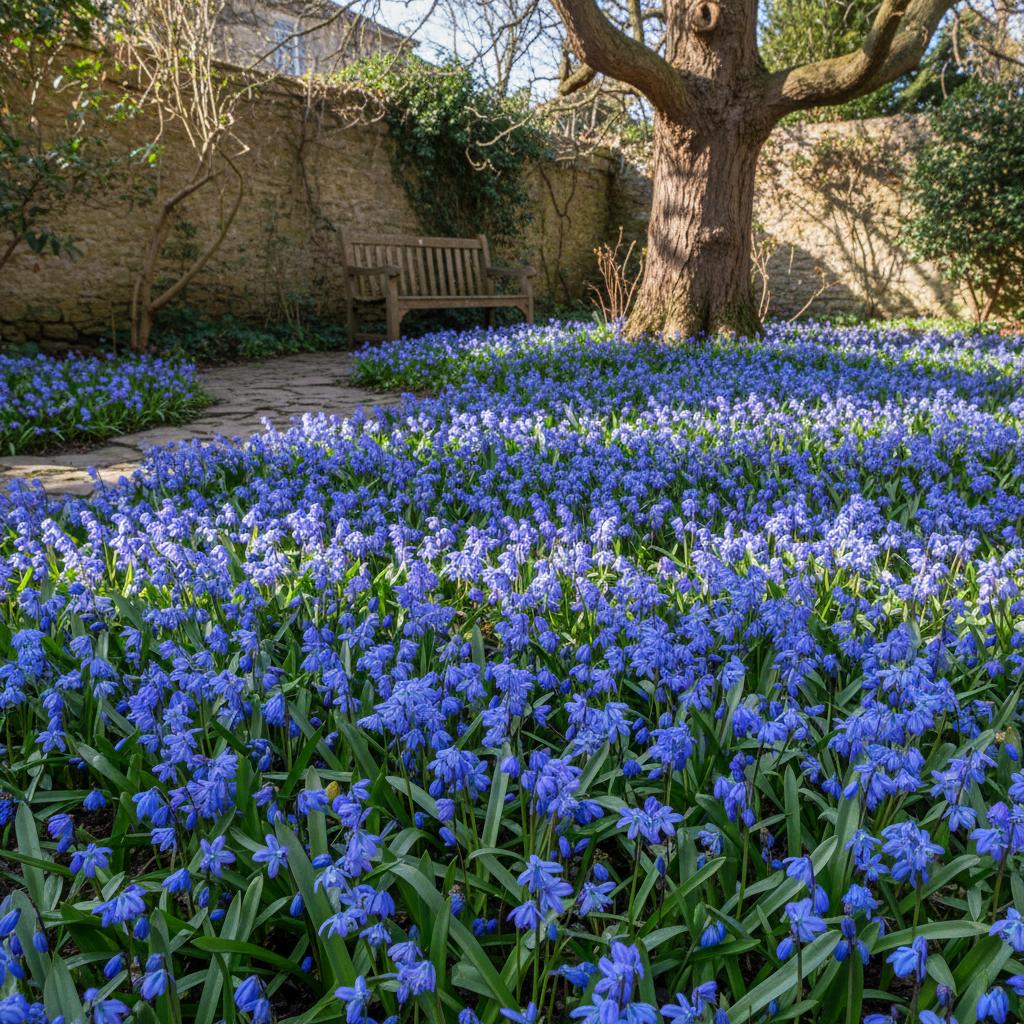
The following plants look similar and may be confused:
Related Toxic Plants

Download PlantFun App
Identify, grow and care for plants effectively!
Instant Plant ID
Take a photo to quickly identify plants.
Smart Care Reminders
Generate watering and care schedules.
Toxicity & Disease Diagnosis
Identify toxic plants and pests with treatment advice.

Data Sources
This information is for reference only and does not constitute medical advice. If ingestion or poisoning is suspected, seek medical or veterinary attention immediately.