 PlantFun
Water mint Toxic?
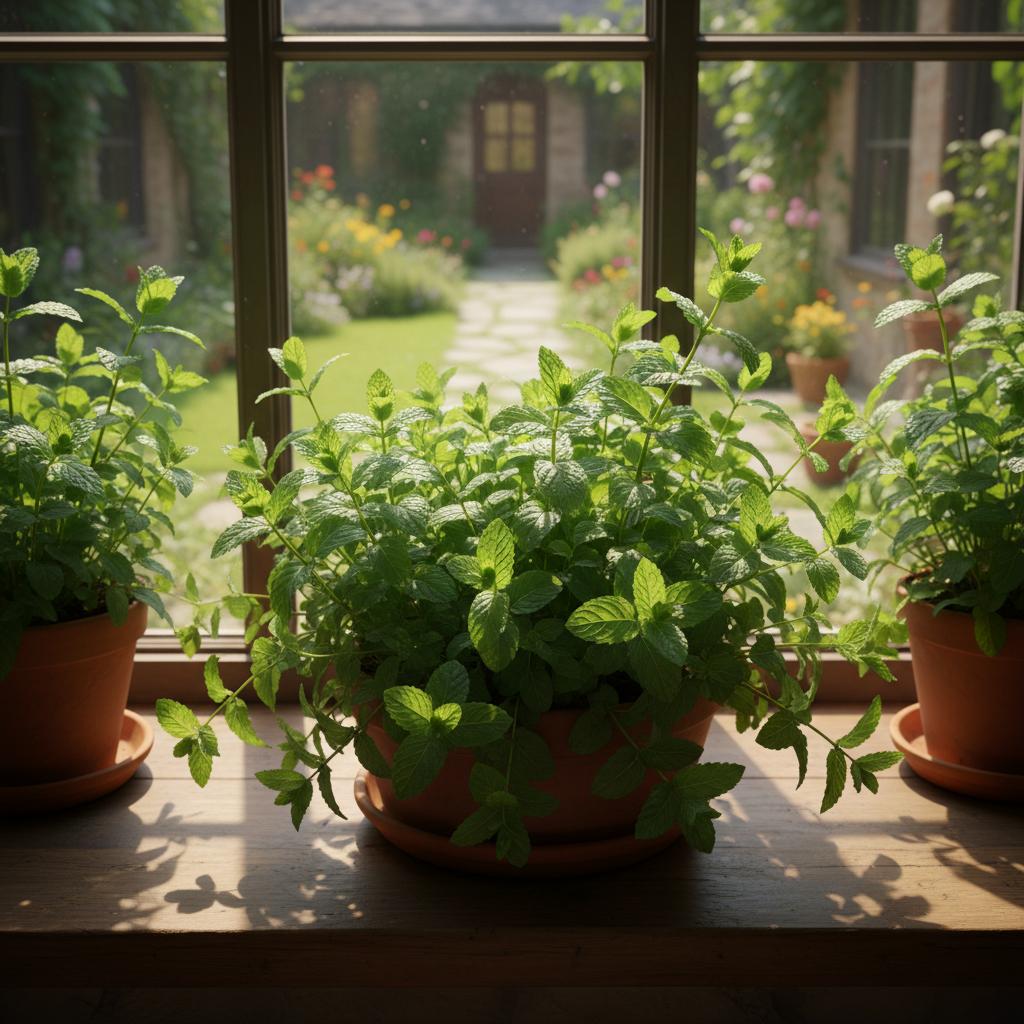
No confirmed human or animal poisoning cases from water mint have been published in peer-reviewed scientific literature.
Water mint is explicitly not recommended for inclusion in pet, livestock, or forage feed mixes for any domestic species.
The plant can be easily confused with multiple non-toxic related species in the Lamiaceae family, primarily due to similar leaf shape.
FAQ
Is Water mint toxic to Humans?
No confirmed poisoning symptoms reported; mild gastrointestinal upset or skin irritation may occur in sensitive individuals after excessive exposure. (Non-toxic)
Is Water mint toxic to Cats?
No documented feline poisoning cases; mild temporary digestive upset may occur after ingestion of very large quantities. (Non-toxic)
Is Water mint toxic to Dogs?
No documented canine poisoning cases; mild temporary digestive upset may occur after ingestion of very large quantities. (Non-toxic)
Is Water mint toxic to Horses?
No documented equine poisoning cases; mild colic or feed refusal may occur if fed large quantities as part of forage. (Non-toxic)
Toxicity Details
No confirmed poisoning symptoms reported; mild gastrointestinal upset or skin irritation may occur in sensitive individuals after excessive exposure.
No documented feline poisoning cases; mild temporary digestive upset may occur after ingestion of very large quantities.
No documented canine poisoning cases; mild temporary digestive upset may occur after ingestion of very large quantities.
No documented equine poisoning cases; mild colic or feed refusal may occur if fed large quantities as part of forage.
Toxicity Snapshot
First Aid & Prevention
First 30 Minutes
- • Rinse mouth thoroughly with clean water immediately after accidental ingestion of large quantities of water mint.
- • Remove any remaining plant material from the reach of children, pets, and grazing animals to prevent further exposure.
- • Monitor exposed individuals for any signs of gastrointestinal distress or allergic reaction for at least 24 hours post-exposure.
Contact Vet Immediately
- • If your cat, dog, or other small pet develops persistent vomiting, diarrhea, or lethargy after ingesting large amounts of water mint.
- • If your horse or other grazing livestock shows signs of colic, feed refusal, or abnormal stool after accidental consumption of the plant.
- • If any animal develops a persistent skin rash, swelling, or respiratory distress after contact with water mint.
Prevention
- • Do not harvest wild water mint or include it in any homemade pet, livestock, or forage feed mixes.
- • Remove wild water mint growth from pastures, pet enclosures, and areas accessible to grazing animals.
- • Clearly label all cultivated mint plants in home gardens to avoid accidental misidentification as animal-safe forage.
Treatment & Prognosis
- • Provide supportive care including oral fluids and electrolyte replacement for mild gastrointestinal upset, as advised by a medical or veterinary professional.
- • Administer antihistamines for mild allergic reactions only under explicit direction from a doctor or licensed veterinarian.
- • No specific antidote is required, as no severe or life-threatening toxic effects have been documented for this species.
Professional Toxicology
• No specific toxic mechanism has been identified, as no confirmed poisoning events associated with this species have been published in peer-reviewed literature
Information from CliniTox veterinary text.
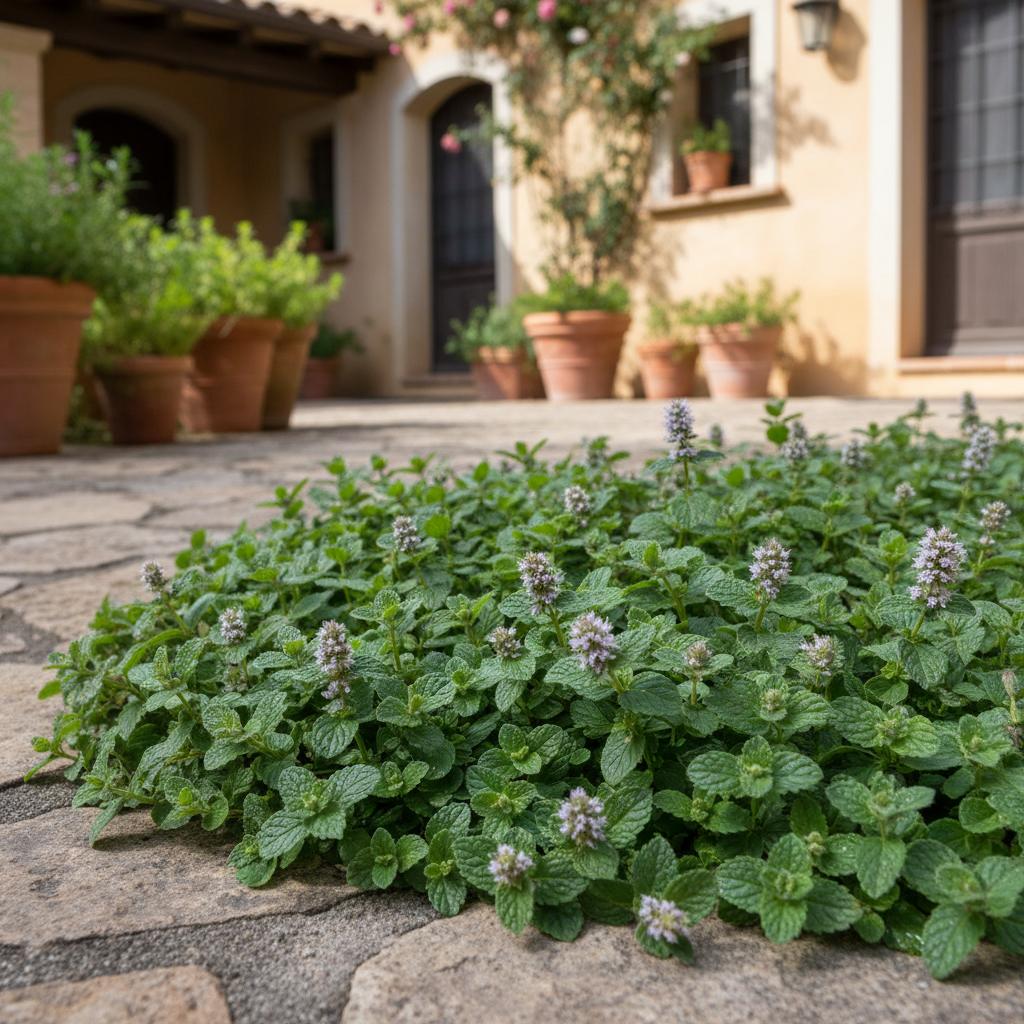
The following plants look similar and may be confused:
Related Toxic Plants

Download PlantFun App
Identify, grow and care for plants effectively!
Instant Plant ID
Take a photo to quickly identify plants.
Smart Care Reminders
Generate watering and care schedules.
Toxicity & Disease Diagnosis
Identify toxic plants and pests with treatment advice.

Data Sources
This information is for reference only and does not constitute medical advice. If ingestion or poisoning is suspected, seek medical or veterinary attention immediately.