 PlantFun
Heliotrope Toxic?
Contains pyrrolizidine alkaloids, its primary toxic constituent
Confirmed toxic to horses when ingested in large amounts or over prolonged periods
Toxicity for cats and dogs is unconfirmed, so exposure should be avoided as a precaution
FAQ
Is Heliotrope toxic to Humans?
No specific clinical data available; avoid ingestion to prevent potential liver damage from pyrrolizidine alkaloids (Unknown)
Is Heliotrope toxic to Cats?
Toxicity unconfirmed; no documented clinical signs on record (Unknown)
Is Heliotrope toxic to Dogs?
Toxicity unconfirmed; no documented clinical signs on record (Unknown)
Is Heliotrope toxic to Horses?
Liver disease, which develops after ingestion of large quantities of the plant or cumulative long-term exposure (Moderate)
Toxicity Details
No specific clinical data available; avoid ingestion to prevent potential liver damage from pyrrolizidine alkaloids
Toxicity unconfirmed; no documented clinical signs on record
Toxicity unconfirmed; no documented clinical signs on record
Liver disease, which develops after ingestion of large quantities of the plant or cumulative long-term exposure
Toxicity Snapshot
First Aid & Prevention
First 30 Minutes
- • Remove any remaining plant material from the affected animal's mouth immediately
- • Prevent further access to Heliotropium spp. plants in the surrounding area
- • Record the approximate quantity and duration of exposure to share with medical or veterinary staff
Contact Vet Immediately
- • If a horse is confirmed or suspected to have ingested any quantity of Heliotropium spp.
- • If any animal (cat, dog, horse) shows unusual symptoms such as lethargy, jaundice, or appetite loss after exposure
- • If you observe chronic unexplained weight loss in horses with regular access to this plant
Prevention
- • Remove all Heliotropium spp. plants from pastures, stables, and areas accessible to pets and livestock
- • Ensure hay and livestock feed supplies are free of Heliotropium spp. contamination
- • Educate pet owners and livestock caregivers about the appearance and toxicity risks of this plant
Treatment & Prognosis
- • Veterinary supportive care for liver function, including fluid therapy and liver-protective medications
- • Decontamination via induced vomiting and activated charcoal for recent ingestions in appropriate species
- • Long-term monitoring of liver enzyme levels for animals with confirmed chronic exposure
Professional Toxicology
• Pyrrolizidine alkaloids are metabolized in the liver to reactive toxic intermediates that damage liver cells, leading to cumulative, irreversible liver injury over time
Information from CliniTox veterinary text.
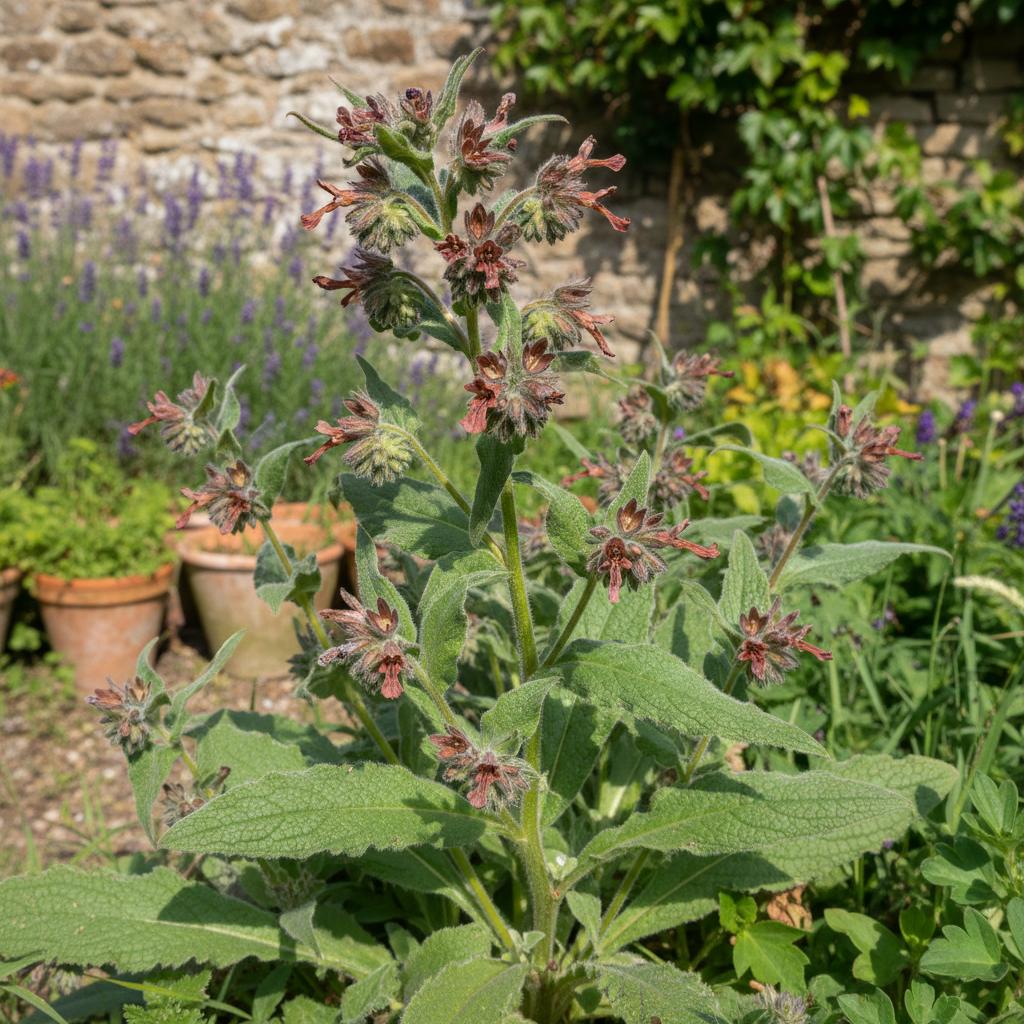
The following plants look similar and may be confused:
Related Toxic Plants

Download PlantFun App
Identify, grow and care for plants effectively!
Instant Plant ID
Take a photo to quickly identify plants.
Smart Care Reminders
Generate watering and care schedules.
Toxicity & Disease Diagnosis
Identify toxic plants and pests with treatment advice.

Data Sources
This information is for reference only and does not constitute medical advice. If ingestion or poisoning is suspected, seek medical or veterinary attention immediately.