 PlantFun
Hawaiian Ti Toxic?
Hawaiian Ti contains saponins, the confirmed toxic principle identified by the ASPCA
The plant is proven toxic to both cats and dogs, but its toxicity to horses remains unconfirmed
Poisoning symptoms include vomiting, hypersalivation, appetite loss, and dilated pupils (in cats)
FAQ
Is Hawaiian Ti toxic to Humans?
No confirmed severe human toxicity reports exist, but ingestion may cause mild gastrointestinal irritation as a general precaution (Low)
Is Hawaiian Ti toxic to Cats?
Vomiting (occasionally with blood), depression, anorexia, hypersalivation, dilated pupils (Moderate)
Is Hawaiian Ti toxic to Dogs?
Vomiting (occasionally with blood), depression, anorexia, hypersalivation (Moderate)
Is Hawaiian Ti toxic to Horses?
No documented clinical signs reported, as toxicity risk for horses is currently unknown (Unknown)
Toxicity Details
No confirmed severe human toxicity reports exist, but ingestion may cause mild gastrointestinal irritation as a general precaution
Vomiting (occasionally with blood), depression, anorexia, hypersalivation, dilated pupils
Vomiting (occasionally with blood), depression, anorexia, hypersalivation
No documented clinical signs reported, as toxicity risk for horses is currently unknown
Toxicity Snapshot
First Aid & Prevention
First 30 Minutes
- • Remove all remaining plant material from the affected animal's mouth and rinse the mouth with cool clean water
- • Collect a sample of the ingested plant to help veterinary staff confirm identification quickly
- • Do not induce vomiting unless explicitly instructed to do so by a licensed veterinarian
Contact Vet Immediately
- • If your cat or dog has ingested any quantity of Hawaiian Ti plant material
- • If clinical signs including vomiting, hypersalivation, or dilated pupils (in cats) appear after exposure
- • If the animal becomes lethargic, unresponsive, or refuses to eat after suspected exposure
Prevention
- • Keep Hawaiian Ti plants placed fully out of reach of cats, dogs, and small children at all times
- • Dispose of fallen leaves or pruned plant cuttings immediately to prevent unsupervised access
- • Label all houseplants clearly to avoid accidental misidentification and ingestion
Treatment & Prognosis
- • Veterinary decontamination including activated charcoal administration to reduce saponin absorption
- • Supportive care including anti-emetics, fluid therapy, and appetite stimulants to manage clinical symptoms
- • Monitoring of vital signs and gastrointestinal function until all symptoms resolve completely
Professional Toxicology
• Saponins irritate the gastrointestinal mucosal lining upon ingestion, causing vomiting, hypersalivation and appetite loss
• In cats, saponins may also impact the central nervous system leading to dilated pupils and lethargy
Information from CliniTox veterinary text.
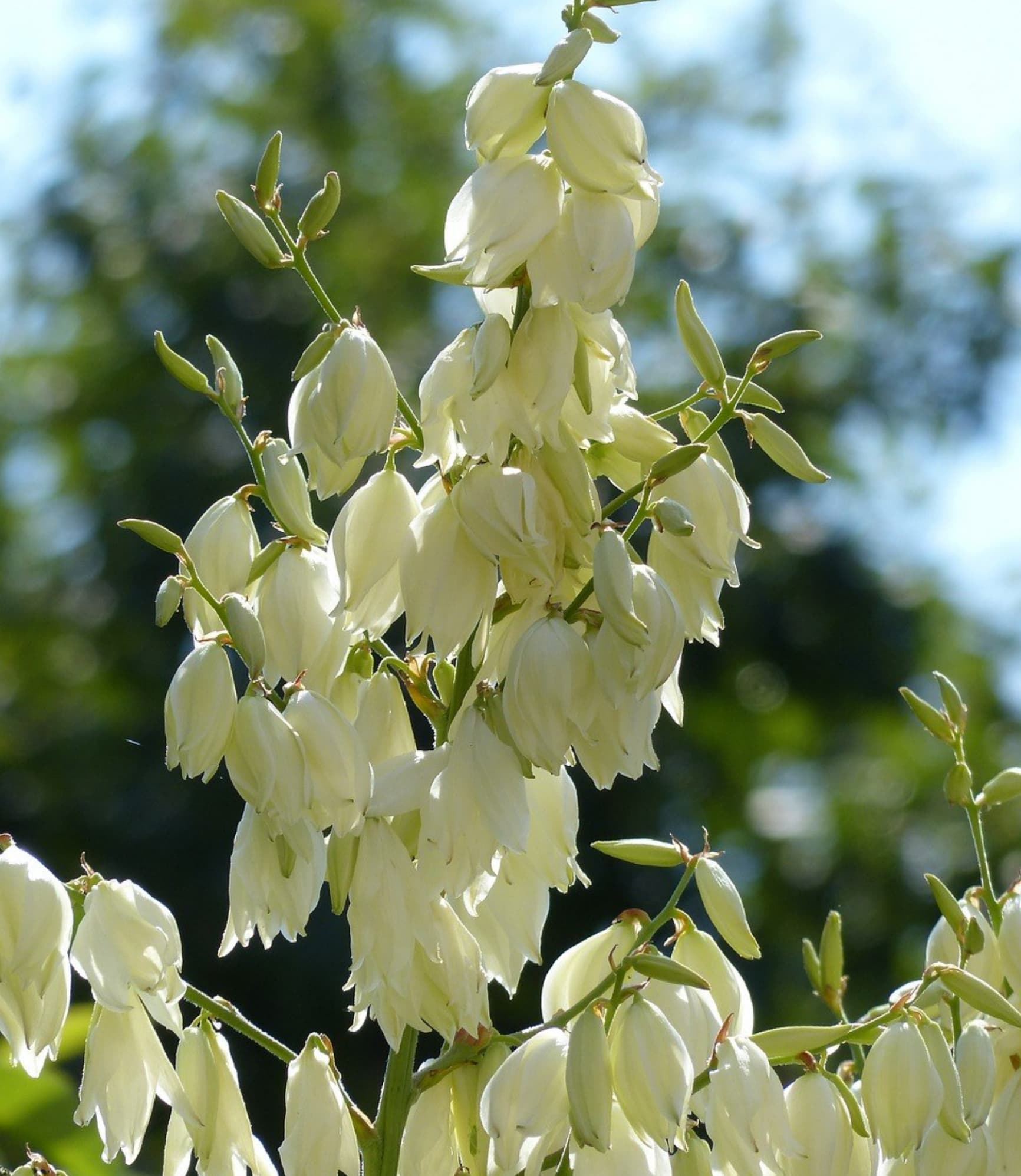
The following plants look similar and may be confused:
Related Toxic Plants


Download PlantFun App
Identify, grow and care for plants effectively!
Instant Plant ID
Take a photo to quickly identify plants.
Smart Care Reminders
Generate watering and care schedules.
Toxicity & Disease Diagnosis
Identify toxic plants and pests with treatment advice.

Data Sources
This information is for reference only and does not constitute medical advice. If ingestion or poisoning is suspected, seek medical or veterinary attention immediately.