 PlantFun
Meadowsweet Toxic?

No parts of Filipendula ulmaria are classified as toxic, and it is considered a moderate-quality forage plant in small quantities
The plant contains salicylic acid derivatives, tannins, and essential oils that may only cause mild reactions if eaten in very large amounts
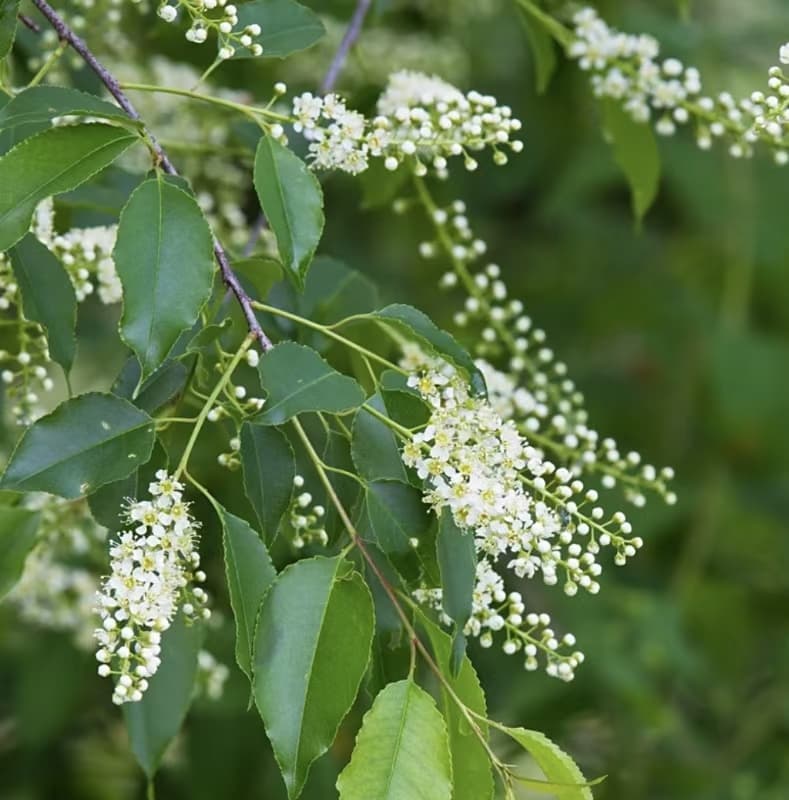
It is easily confused with other Filipendula species and Astilbe species, so correct identification is recommended for forage use
FAQ
Is Meadowsweet toxic to Humans?
Mild gastrointestinal upset, nausea, or headache only if extremely large quantities are consumed; no severe toxicity reported (Non-toxic)
Is Meadowsweet toxic to Cats?
No confirmed toxic symptoms reported; mild digestive irritation possible with excessive ingestion (Non-toxic)
Is Meadowsweet toxic to Dogs?
No confirmed toxic symptoms reported; mild vomiting or diarrhea possible with very high intake (Non-toxic)
Is Meadowsweet toxic to Horses?
Safe as a minor forage component; excessive intake may cause mild gastrointestinal discomfort (Non-toxic)
Toxicity Details
Mild gastrointestinal upset, nausea, or headache only if extremely large quantities are consumed; no severe toxicity reported
No confirmed toxic symptoms reported; mild digestive irritation possible with excessive ingestion
No confirmed toxic symptoms reported; mild vomiting or diarrhea possible with very high intake
Safe as a minor forage component; excessive intake may cause mild gastrointestinal discomfort
Toxicity Snapshot
First Aid & Prevention
First 30 Minutes
- • Rinse mouth thoroughly if large quantities of the plant were ingested
- • Drink 1-2 glasses of water to dilute potentially irritating compounds
- • Monitor for mild gastrointestinal discomfort for 2 hours post-ingestion
Contact Vet Immediately
- • If your pet has ingested very large quantities and shows persistent vomiting, diarrhea, or lethargy
- • If your pet has a known salicylate (aspirin) allergy and ingested any amount of the plant
- • If symptoms persist for more than 24 hours post-ingestion
Prevention
- • Correctly identify the plant before allowing livestock or pets to graze in areas where it grows
- • Keep large quantities of harvested meadowsweet out of reach of pets with salicylate sensitivity
- • Avoid feeding excessive amounts of the plant as forage to livestock
Treatment & Prognosis
- • Supportive care for mild gastrointestinal symptoms (fluids, anti-emetics if needed)
- • No specific antidote is required as severe toxicity is not reported
- • Allergy management for rare hypersensitivity reactions
Professional Toxicology
• Salicylic acid compounds may have mild gastrointestinal irritant effects in very high doses
• Tannins can cause mild astringent effects in the digestive system if consumed excessively
• Essential oils may trigger rare allergic reactions in sensitive individuals or animals
Information from CliniTox veterinary text.
The following plants look similar and may be confused:
Related Toxic Plants

Download PlantFun App
Identify, grow and care for plants effectively!
Instant Plant ID
Take a photo to quickly identify plants.
Smart Care Reminders
Generate watering and care schedules.
Toxicity & Disease Diagnosis
Identify toxic plants and pests with treatment advice.

Data Sources
This information is for reference only and does not constitute medical advice. If ingestion or poisoning is suspected, seek medical or veterinary attention immediately.