 PlantFun
Pencil Cactus Toxic?
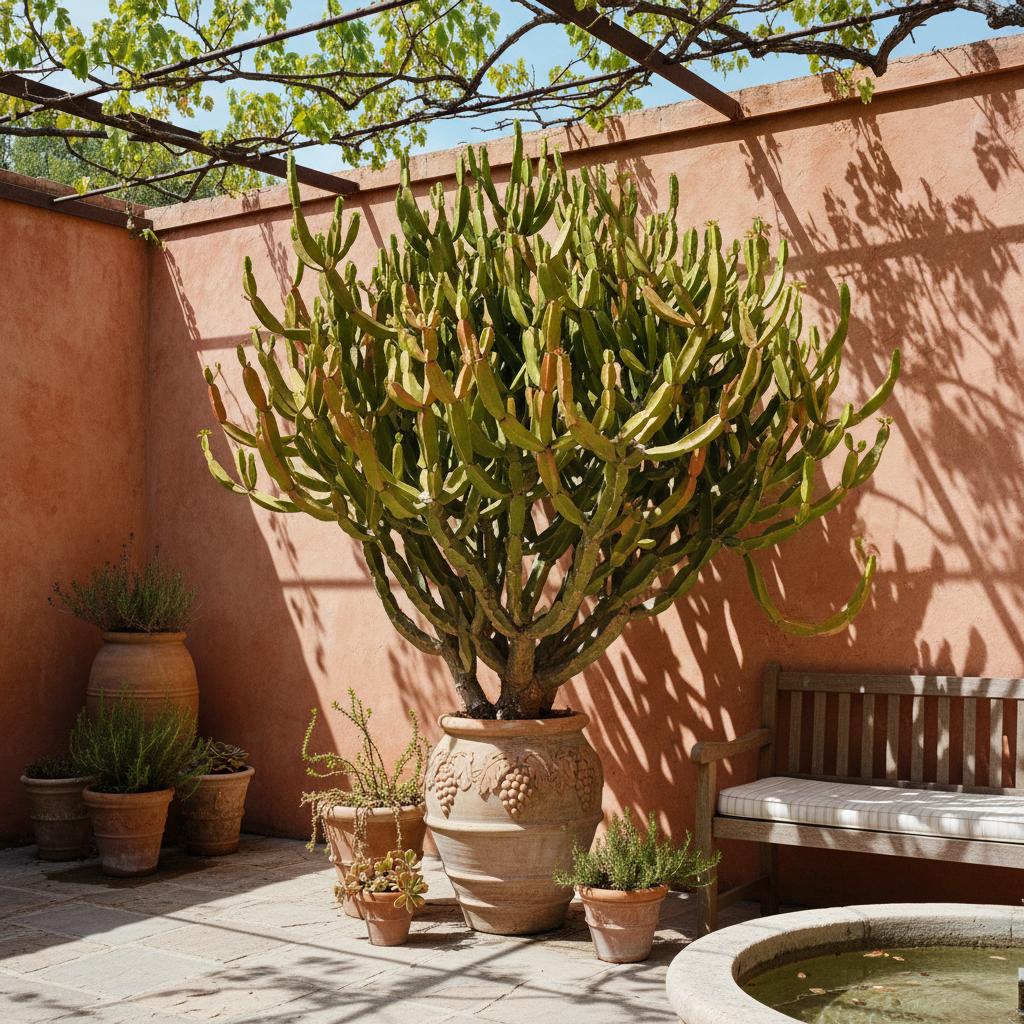
All parts of the plant contain irritant milky latex sap that triggers adverse reactions on exposure
The species is confirmed toxic to cats, dogs, and horses per ASPCA data, with mild common reactions
Its toxicity is generally over-rated, and severe or life-threatening adverse events are very rare
FAQ
Is Pencil Cactus toxic to Humans?
Oral, skin or eye irritation, mild stomach upset and nausea if ingested, severe reactions are uncommon (Low)
Is Pencil Cactus toxic to Cats?
Oral and gastrointestinal irritation, occasional vomiting, severe systemic reactions are rare (Low)
Is Pencil Cactus toxic to Dogs?
Oral and gastrointestinal irritation, occasional vomiting, severe systemic reactions are rare (Low)
Is Pencil Cactus toxic to Horses?
Oral and gastrointestinal irritation, occasional vomiting, severe systemic reactions are rare (Low)
Toxicity Details
Oral, skin or eye irritation, mild stomach upset and nausea if ingested, severe reactions are uncommon
Oral and gastrointestinal irritation, occasional vomiting, severe systemic reactions are rare
Oral and gastrointestinal irritation, occasional vomiting, severe systemic reactions are rare
Oral and gastrointestinal irritation, occasional vomiting, severe systemic reactions are rare
Toxicity Snapshot
First Aid & Prevention
First 30 Minutes
- • For skin contact: Wash affected area immediately with soap and cold running water to remove all residual sap
- • For ingestion: Rinse mouth thoroughly with cool clean water, do not induce vomiting unless instructed by a professional
- • For eye contact: Flush affected eye with lukewarm running water for 15+ minutes, avoid rubbing the eye
Contact Vet Immediately
- • Your pet has ingested a large quantity of the plant
- • Your pet shows persistent vomiting, oral swelling, or difficulty breathing after exposure
- • Sap contacts your pet's eyes and irritation lasts more than 30 minutes after flushing
Prevention
- • Place the plant out of reach of children, cats, dogs, and grazing horses
- • Wear disposable gloves and eye protection when pruning or handling the plant to avoid sap exposure
- • Wash hands thoroughly with soap immediately after any contact with the plant, even if no sap is visible
Treatment & Prognosis
- • Supportive care including hydration for patients with vomiting or gastrointestinal irritation
- • Topical antihistamines or mild corticosteroids for severe skin irritation reactions
- • Medicated eye drops may be prescribed for ocular exposure cases with persistent irritation
Professional Toxicology
• Irritant compounds in the milky latex sap trigger localized inflammatory reactions on contact with skin, mucous membranes or gastrointestinal tissue
Information from CliniTox veterinary text.
The following plants look similar and may be confused:
Related Toxic Plants


Download PlantFun App
Identify, grow and care for plants effectively!
Instant Plant ID
Take a photo to quickly identify plants.
Smart Care Reminders
Generate watering and care schedules.
Toxicity & Disease Diagnosis
Identify toxic plants and pests with treatment advice.

Data Sources
This information is for reference only and does not constitute medical advice. If ingestion or poisoning is suspected, seek medical or veterinary attention immediately.