 PlantFun
Green spurge Toxic?

All plant parts containing milky sap are toxic, and toxic terpenes are not destroyed by drying or storage.
Ingestion can cause severe gastrointestinal, neurological and cardiac symptoms, and toxins may be excreted in cow milk.
Eye contact with sap triggers severe conjunctivitis and corneal inflammation, requiring prompt medical attention.
FAQ
Is Green spurge toxic to Humans?
Bloody diarrhea, vomiting, colic, unsteadiness, seizures, circulatory collapse, irregular heartbeat, bloody urine; eye contact causes severe conjunctivitis and corneal inflammation. (High)
Is Green spurge toxic to Cats?
No species-specific clinical data available; expected to present with gastrointestinal irritation, neurological symptoms, and cardiac abnormalities if ingested, consistent with other toxic Euphorbia species. (Unknown)
Is Green spurge toxic to Dogs?
No species-specific clinical data available; expected to present with gastrointestinal irritation, neurological symptoms, and cardiac abnormalities if ingested, consistent with other toxic Euphorbia species. (Unknown)
Is Green spurge toxic to Horses?
No species-specific clinical data available; expected to present with gastrointestinal irritation, neurological symptoms, and cardiac abnormalities if ingested, consistent with other toxic Euphorbia species. (Unknown)
Toxicity Details
Bloody diarrhea, vomiting, colic, unsteadiness, seizures, circulatory collapse, irregular heartbeat, bloody urine; eye contact causes severe conjunctivitis and corneal inflammation.
No species-specific clinical data available; expected to present with gastrointestinal irritation, neurological symptoms, and cardiac abnormalities if ingested, consistent with other toxic Euphorbia species.
No species-specific clinical data available; expected to present with gastrointestinal irritation, neurological symptoms, and cardiac abnormalities if ingested, consistent with other toxic Euphorbia species.
No species-specific clinical data available; expected to present with gastrointestinal irritation, neurological symptoms, and cardiac abnormalities if ingested, consistent with other toxic Euphorbia species.
Toxicity Snapshot
First Aid & Prevention
First 30 Minutes
- • If ingested, rinse mouth thoroughly with clean water, do not induce vomiting unless directed by a medical professional or veterinarian.
- • If sap gets in eyes, flush immediately with lukewarm running water for at least 15 minutes, holding eyelids open to ensure full irrigation.
- • Remove any plant material remaining on skin, fur, or clothing to prevent further exposure to toxic sap.
Contact Vet Immediately
- • Ingestion of any amount of the plant by a companion animal or grazing livestock.
- • Development of symptoms like vomiting, bloody diarrhea, seizures, unsteadiness, or eye pain/redness after exposure.
- • Abnormal heart rate, difficulty breathing, or altered consciousness following exposure.
Prevention
- • Remove the plant from areas accessible to children, pets, and grazing livestock.
- • Wear protective gloves and goggles when handling the plant to avoid contact with milky sap.
- • Inspect hay and dried livestock feed for contamination, as toxins remain active even after drying and storage.
Treatment & Prognosis
- • Decontamination of the exposure site (mouth, skin, eyes) to remove remaining plant material or sap.
- • Symptomatic supportive care including fluid therapy, anti-emetics, anti-seizure medication, and cardiac monitoring as needed.
- • Specialized ophthalmological care for cases involving eye exposure to sap.
Professional Toxicology
• Irritant terpenes (phorbol esters, ingenol esters) cause immediate inflammation of contacted mucosal, dermal and ocular tissues.
• Toxic compounds disrupt nervous system signaling and cardiac rhythm, leading to neurological and cardiovascular complications.
• Toxins damage kidney and gastrointestinal tissue, resulting in bloody urine and bloody diarrhea in severe cases.
Information from CliniTox veterinary text.
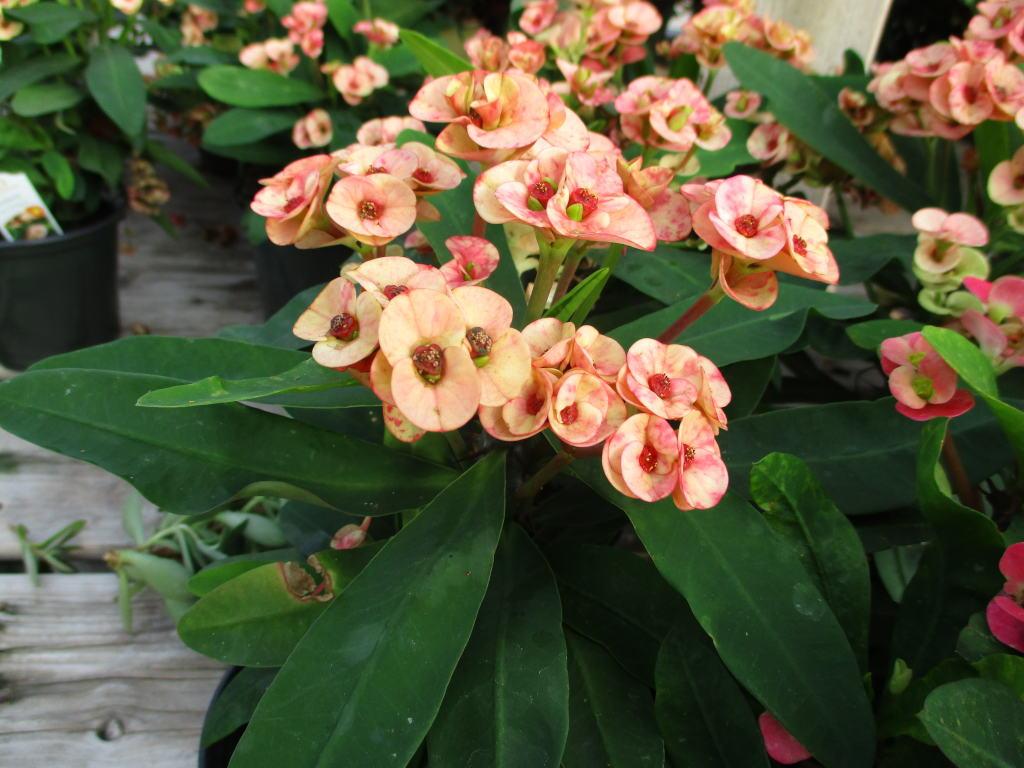
The following plants look similar and may be confused:
Related Toxic Plants


Download PlantFun App
Identify, grow and care for plants effectively!
Instant Plant ID
Take a photo to quickly identify plants.
Smart Care Reminders
Generate watering and care schedules.
Toxicity & Disease Diagnosis
Identify toxic plants and pests with treatment advice.

Data Sources
This information is for reference only and does not constitute medical advice. If ingestion or poisoning is suspected, seek medical or veterinary attention immediately.