 PlantFun
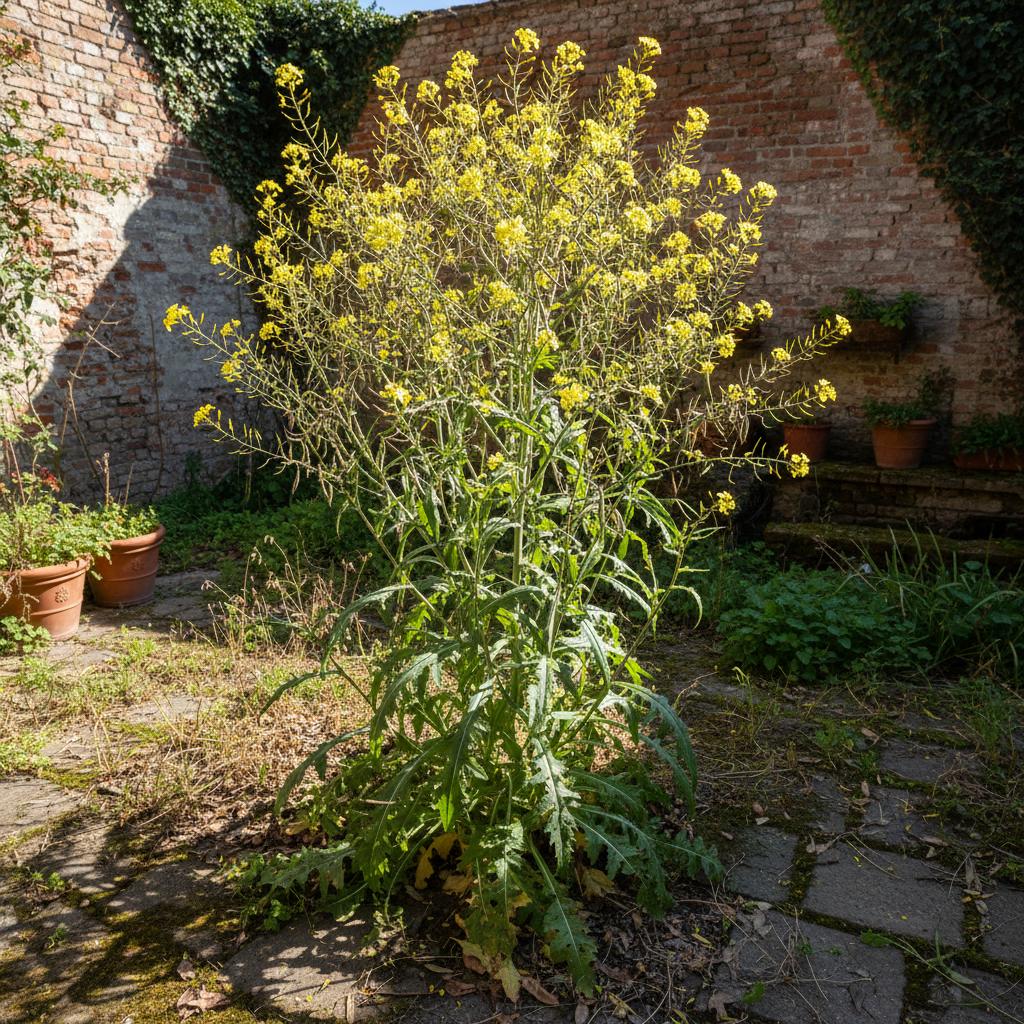
Wormseed Mustard Toxic?
Confirmed toxic to horses, while toxicity status for cats and dogs remains unconfirmed by leading animal health authorities
Its primary identified toxic principle is isothiocyanates, per ASPCA research
Equine exposure causes clinical signs including gastrointestinal irritation and colic
FAQ
Is Wormseed Mustard toxic to Humans?
No confirmed human toxicity data available; large ingestion may cause mild gastrointestinal discomfort (Unknown)
Is Wormseed Mustard toxic to Cats?
Toxicity status unknown; no confirmed clinical symptoms have been formally reported to date (Unknown)
Is Wormseed Mustard toxic to Dogs?
Toxicity status unknown; no confirmed clinical symptoms have been formally reported to date (Unknown)
Is Wormseed Mustard toxic to Horses?
Gastrointestinal irritation, colic, as documented by the ASPCA (Moderate)
Toxicity Details
No confirmed human toxicity data available; large ingestion may cause mild gastrointestinal discomfort
Toxicity status unknown; no confirmed clinical symptoms have been formally reported to date
Toxicity status unknown; no confirmed clinical symptoms have been formally reported to date
Gastrointestinal irritation, colic, as documented by the ASPCA
Toxicity Snapshot
First Aid & Prevention
First 30 Minutes
- • Immediately remove all remaining plant material from the exposed animal's access and mouth if ingestion is recent
- • Do not induce vomiting or administer home remedies unless explicitly instructed by a licensed veterinarian
- • Monitor the animal closely for early signs of abdominal pain, drooling or appetite loss
Contact Vet Immediately
- • A horse has ingested any quantity of Wormseed Mustard
- • Signs of colic, diarrhea, abdominal discomfort or vomiting are observed post exposure
- • A cat or dog has ingested a large unknown quantity of the plant for precautionary evaluation
Prevention
- • Eradicate Wormseed Mustard growth from horse pastures, grazing areas and pet-accessible yards
- • Inspect hay, forage and feed supplies regularly to ensure no contamination with this plant
- • Train animal owners and farm staff to correctly identify this plant to avoid accidental exposure
Treatment & Prognosis
- • Veterinary supportive care including intravenous fluid therapy to correct electrolyte imbalances from gastrointestinal irritation
- • Prescribed anti-inflammatory and analgesic medication to manage colic pain and reduce mucosal inflammation
- • Symptomatic monitoring and care to prevent secondary gastrointestinal complications such as ulceration
Professional Toxicology
• Isothiocyanate compounds irritate the delicate mucosal lining of the gastrointestinal tract upon ingestion, triggering inflammatory responses, pain and discomfort associated with recorded clinical signs
Information from CliniTox veterinary text.
The following plants look similar and may be confused:
Related Toxic Plants

Download PlantFun App
Identify, grow and care for plants effectively!
Instant Plant ID
Take a photo to quickly identify plants.
Smart Care Reminders
Generate watering and care schedules.
Toxicity & Disease Diagnosis
Identify toxic plants and pests with treatment advice.

Data Sources
This information is for reference only and does not constitute medical advice. If ingestion or poisoning is suspected, seek medical or veterinary attention immediately.