 PlantFun
Ti-Plant Toxic?
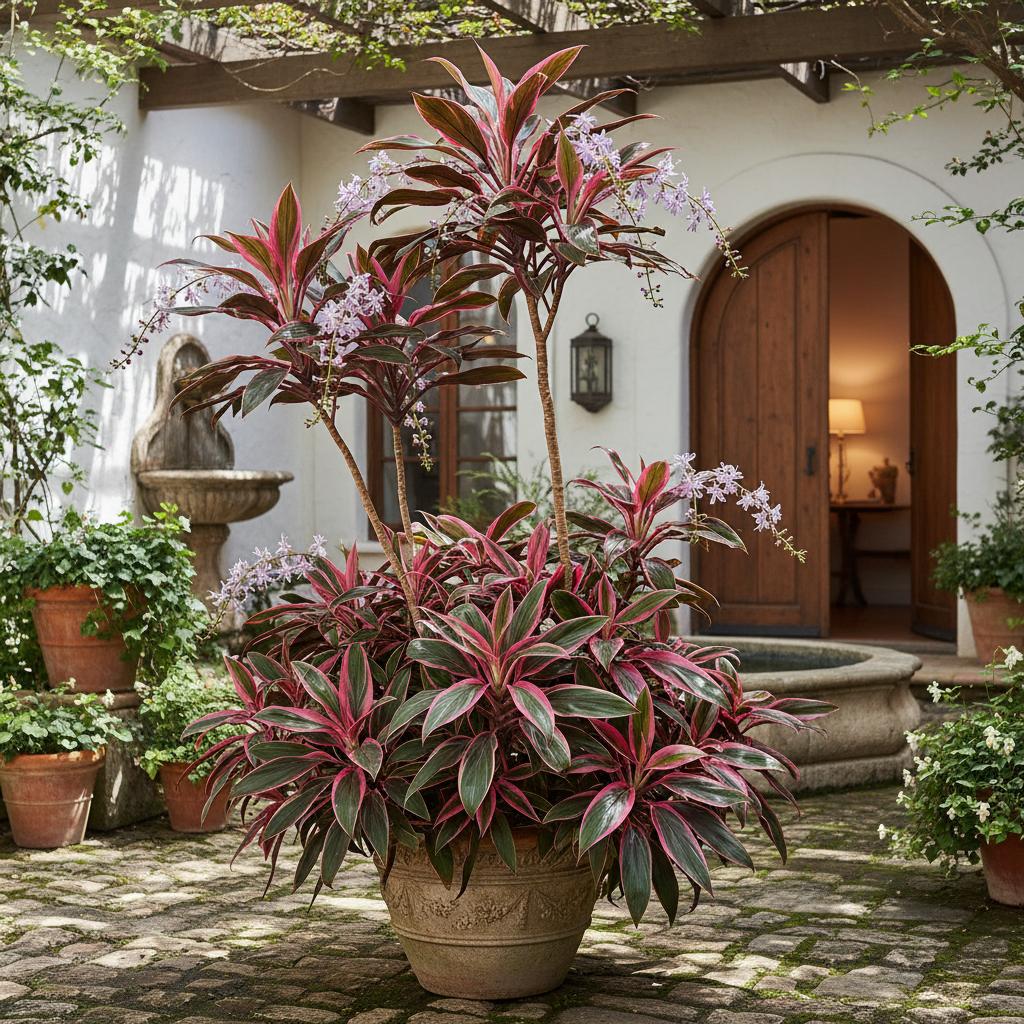
Ti-Plant is confirmed toxic to cats and dogs, while its toxicity to horses remains unconfirmed per available data
Saponins are the primary identified toxic principle in Ti-Plant per ASPCA research
Ingestion of any part of the plant may trigger adverse clinical reactions in susceptible companion animals
FAQ
Is Ti-Plant toxic to Humans?
No confirmed severe human toxicity cases reported; accidental small-volume ingestion may cause mild transient gastrointestinal upset (Low)
Is Ti-Plant toxic to Cats?
Vomiting (occasionally with blood), depression, anorexia, hypersalivation, dilated pupils (Moderate)
Is Ti-Plant toxic to Dogs?
Vomiting (occasionally with blood), depression, anorexia, hypersalivation (Moderate)
Is Ti-Plant toxic to Horses?
Toxicity risk and associated symptoms are unknown, no formal clinical studies are available (Unknown)
Toxicity Details
No confirmed severe human toxicity cases reported; accidental small-volume ingestion may cause mild transient gastrointestinal upset
Vomiting (occasionally with blood), depression, anorexia, hypersalivation, dilated pupils
Vomiting (occasionally with blood), depression, anorexia, hypersalivation
Toxicity risk and associated symptoms are unknown, no formal clinical studies are available
Toxicity Snapshot
First Aid & Prevention
First 30 Minutes
- • Remove all remaining plant material from the animal's mouth and surrounding environment immediately
- • Do not induce vomiting unless explicitly instructed to do so by a licensed veterinarian
- • Rinse the pet's mouth thoroughly with clean lukewarm water to remove residual plant sap
Contact Vet Immediately
- • Your pet has ingested any quantity of Ti-Plant, regardless of initial symptom presentation
- • You observe abnormal signs including vomiting, hypersalivation, lethargy or dilated pupils (in cats)
- • Symptoms persist or worsen after completing initial first aid steps
Prevention
- • Place all Ti-Plant specimens in areas completely inaccessible to cats, dogs and other companion animals
- • Label all houseplants clearly to avoid accidental ingestion by pets or young children
- • Confirm the identity of new ornamental plants before introducing them to pet-accessible spaces
Treatment & Prognosis
- • Veterinarians may administer activated charcoal to bind remaining unabsorbed toxic compounds in the gastrointestinal tract
- • Supportive care including IV fluids and anti-emetics may be provided to manage symptoms and prevent dehydration
- • Monitor clinical signs for 24 to 48 hours post-ingestion to rule out delayed adverse reactions
Professional Toxicology
• Saponin compounds irritate the gastrointestinal mucosa upon ingestion, causing local inflammation and associated gastrointestinal symptoms
• Saponins may exert mild effects on the nervous system in sensitive species like cats, leading to dilated pupils
Information from CliniTox veterinary text.
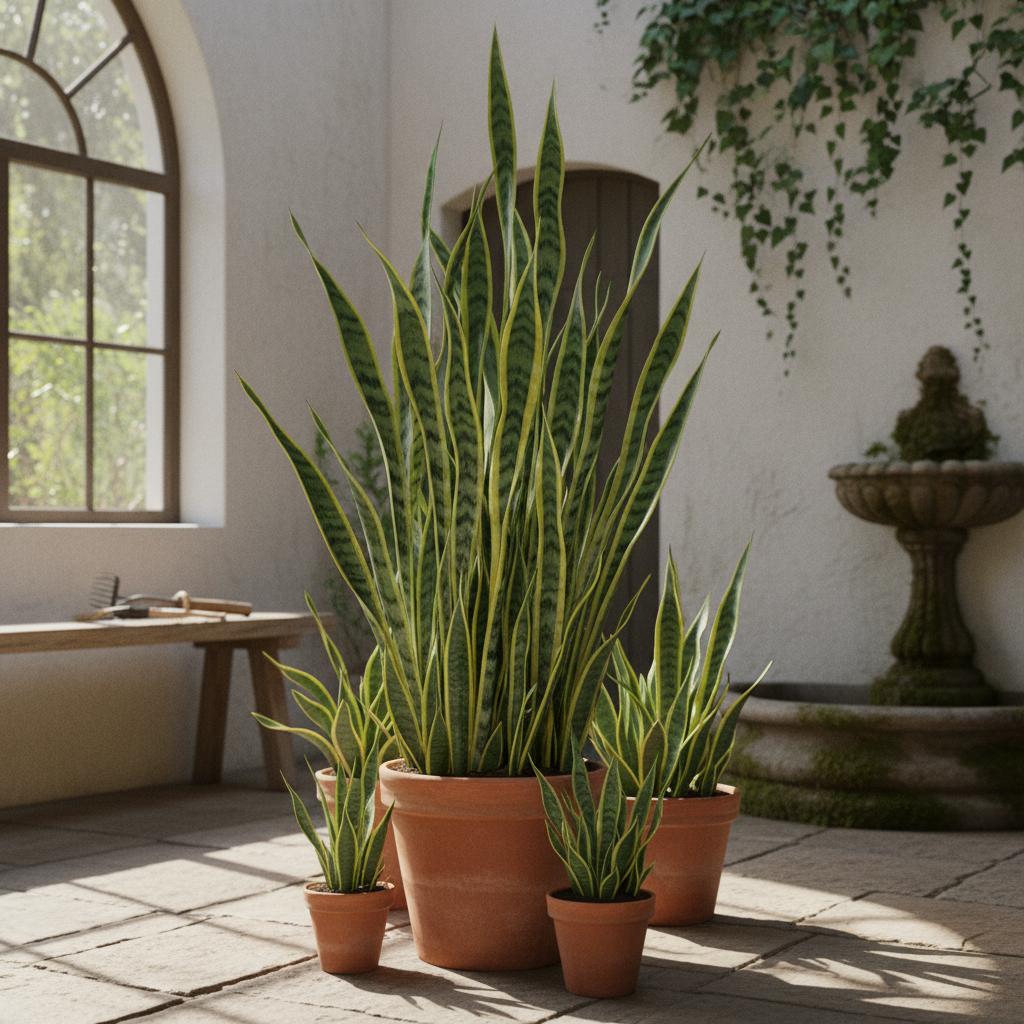
The following plants look similar and may be confused:
Related Toxic Plants


Download PlantFun App
Identify, grow and care for plants effectively!
Instant Plant ID
Take a photo to quickly identify plants.
Smart Care Reminders
Generate watering and care schedules.
Toxicity & Disease Diagnosis
Identify toxic plants and pests with treatment advice.

Data Sources
This information is for reference only and does not constitute medical advice. If ingestion or poisoning is suspected, seek medical or veterinary attention immediately.