 PlantFun
Sierra Leone Lily Toxic?
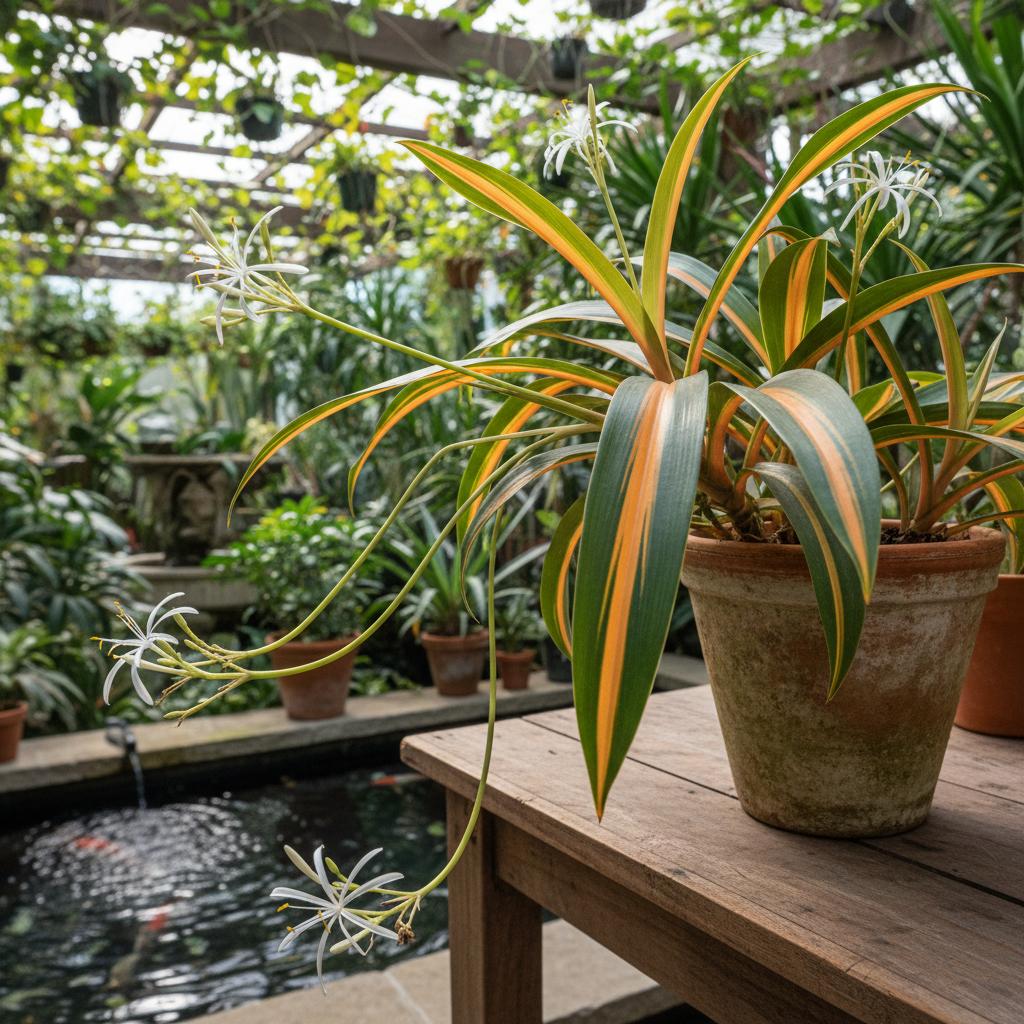
Only underground plant structures contain confirmed saponin toxins, with no toxins reported in above-ground foliage to date
No published human or animal poisoning cases linked to this plant have been recorded in existing scientific literature
The plant is explicitly unsuitable for use as feed for companion animals, livestock, or foraging species
FAQ
Is Sierra Leone Lily toxic to Humans?
No confirmed poisoning cases reported. Ingestion of large volumes of underground parts may cause mild gastrointestinal upset including nausea, diarrhea, and abdominal cramping. (Low)
Is Sierra Leone Lily toxic to Cats?
No confirmed feline poisoning cases reported. Ingestion of root parts may cause mild hypersalivation, vomiting, or loose stools in rare cases. (Low)
Is Sierra Leone Lily toxic to Dogs?
No confirmed canine poisoning cases reported. Ingestion of root parts may cause mild vomiting, diarrhea, or reduced appetite in rare cases. (Low)
Is Sierra Leone Lily toxic to Horses?
No confirmed equine poisoning cases reported. Ingestion of large amounts of roots may cause mild abdominal discomfort or loose manure. (Low)
Toxicity Details
No confirmed poisoning cases reported. Ingestion of large volumes of underground parts may cause mild gastrointestinal upset including nausea, diarrhea, and abdominal cramping.
No confirmed feline poisoning cases reported. Ingestion of root parts may cause mild hypersalivation, vomiting, or loose stools in rare cases.
No confirmed canine poisoning cases reported. Ingestion of root parts may cause mild vomiting, diarrhea, or reduced appetite in rare cases.
No confirmed equine poisoning cases reported. Ingestion of large amounts of roots may cause mild abdominal discomfort or loose manure.
Toxicity Snapshot
First Aid & Prevention
First 30 Minutes
- • Rinse mouth thoroughly with clean water to remove any remaining plant residue after ingestion
- • Induce vomiting only if large quantities of underground parts were consumed in the last 2 hours and the subject is fully conscious
- • Offer small sips of clean water to dilute ingested toxins if no active vomiting is present
Contact Vet Immediately
- • If the animal shows persistent gastrointestinal distress (vomiting, diarrhea, abdominal pain) 2+ hours after ingestion
- • If a small companion animal or foal consumes a large volume of the plant's underground parts
- • If the subject shows signs of lethargy, refusal to eat, or abnormal behavior after exposure
Prevention
- • Keep potted specimens out of reach of pets, and restrict livestock access to areas where the plant grows wild
- • Do not include any parts of this plant in animal feed mixes or forage supplements
- • Confirm plant identification before harvesting forage in areas where this species grows to avoid accidental inclusion
Treatment & Prognosis
- • Provide symptomatic and supportive care, including fluid therapy to correct dehydration from prolonged vomiting or diarrhea
- • Administer gastrointestinal protectants to reduce mucosal irritation from ingested saponins
- • Monitor vital signs until all symptoms resolve, as no specific antidote for saponin toxicity exists
Professional Toxicology
• Saponin compounds in underground parts irritate the gastrointestinal mucosal lining when ingested in sufficient volumes, leading to mild inflammatory responses and digestive discomfort
Information from CliniTox veterinary text.
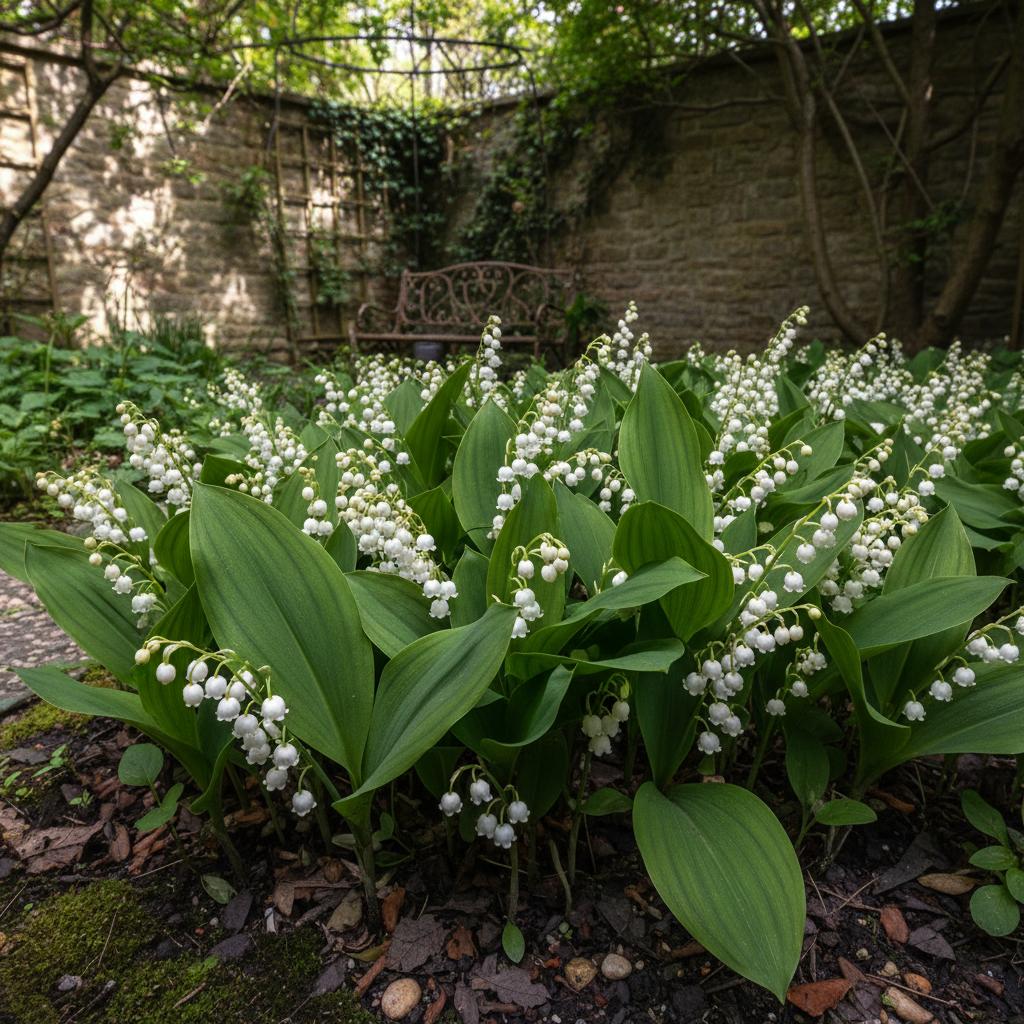
The following plants look similar and may be confused:
Related Toxic Plants


Download PlantFun App
Identify, grow and care for plants effectively!
Instant Plant ID
Take a photo to quickly identify plants.
Smart Care Reminders
Generate watering and care schedules.
Toxicity & Disease Diagnosis
Identify toxic plants and pests with treatment advice.

Data Sources
This information is for reference only and does not constitute medical advice. If ingestion or poisoning is suspected, seek medical or veterinary attention immediately.