 PlantFun
Mugwort Toxic?
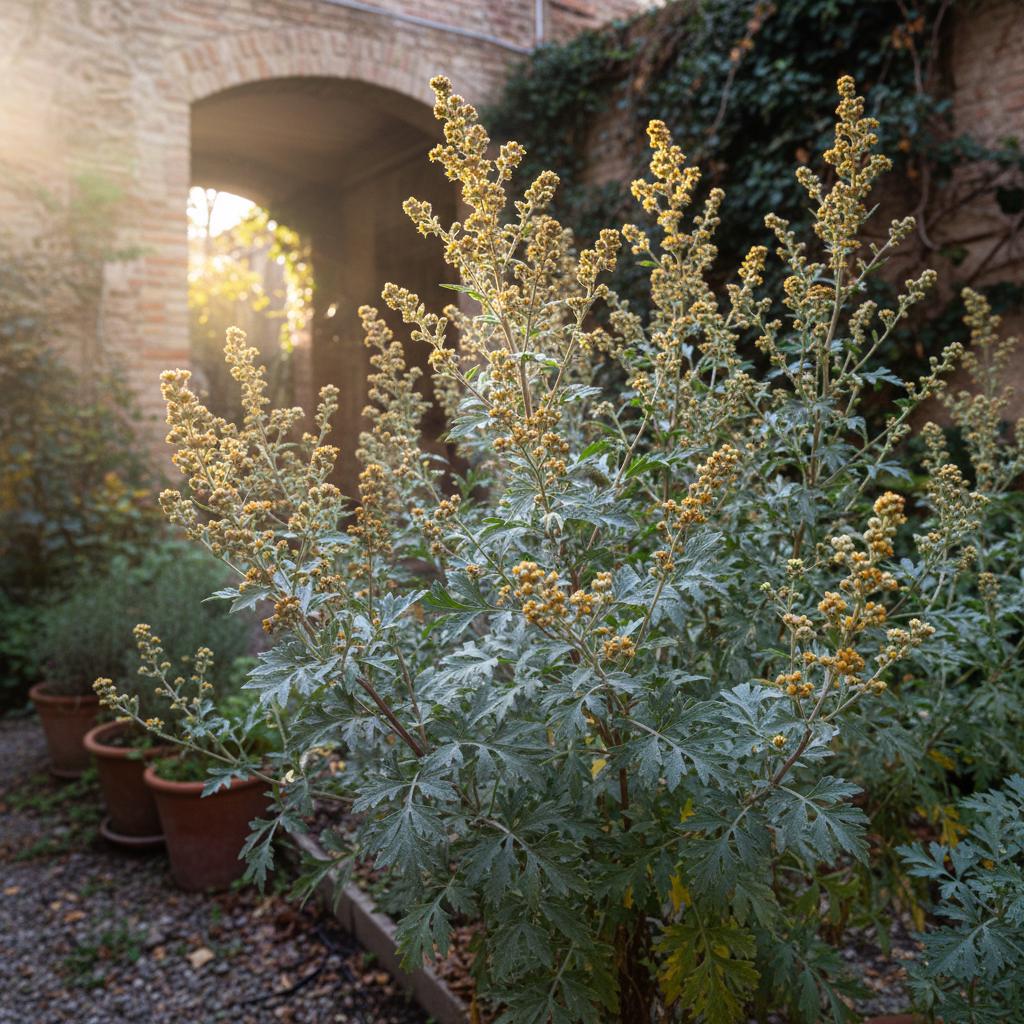
Almost thujone-free, but still poses low to moderate toxicity risk to domestic animals and livestock
All parts of the plant are toxic if ingested, with potential to cause gastrointestinal distress, seizures, and kidney damage
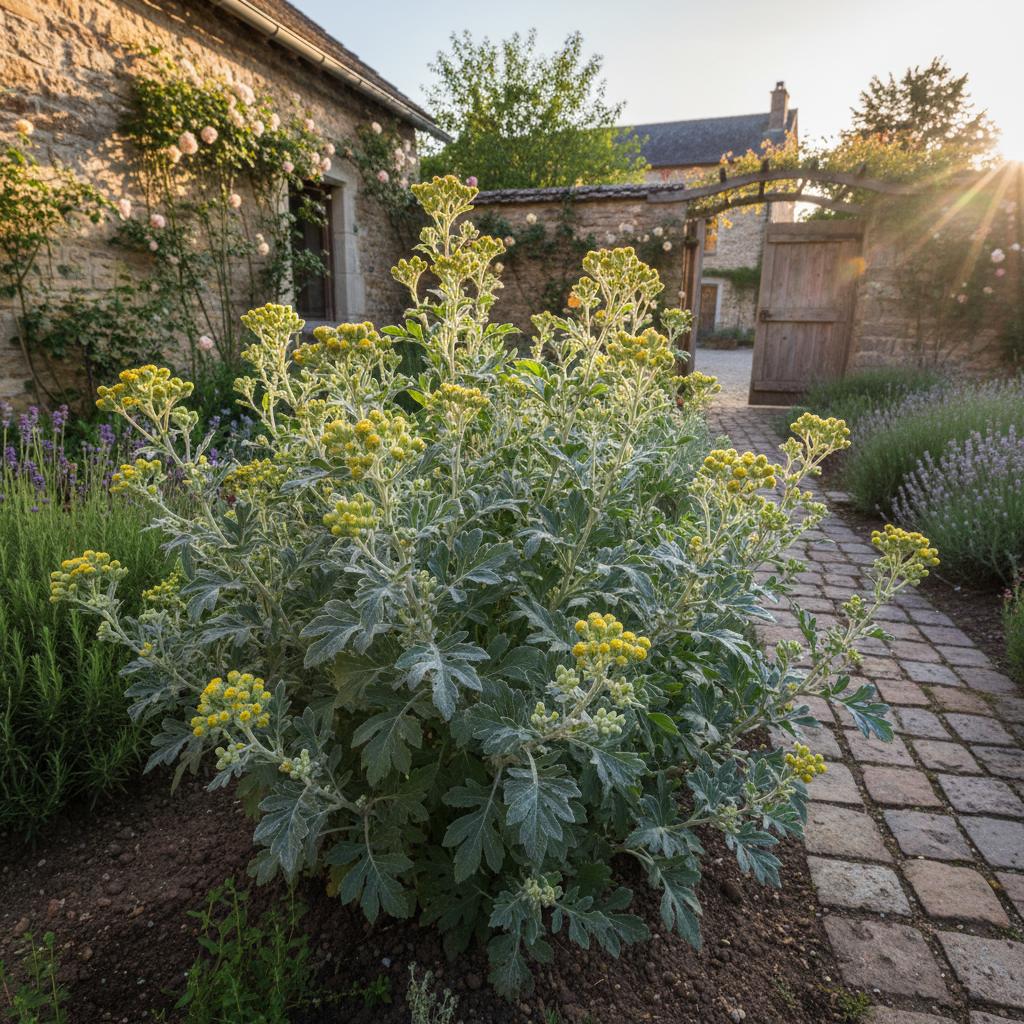
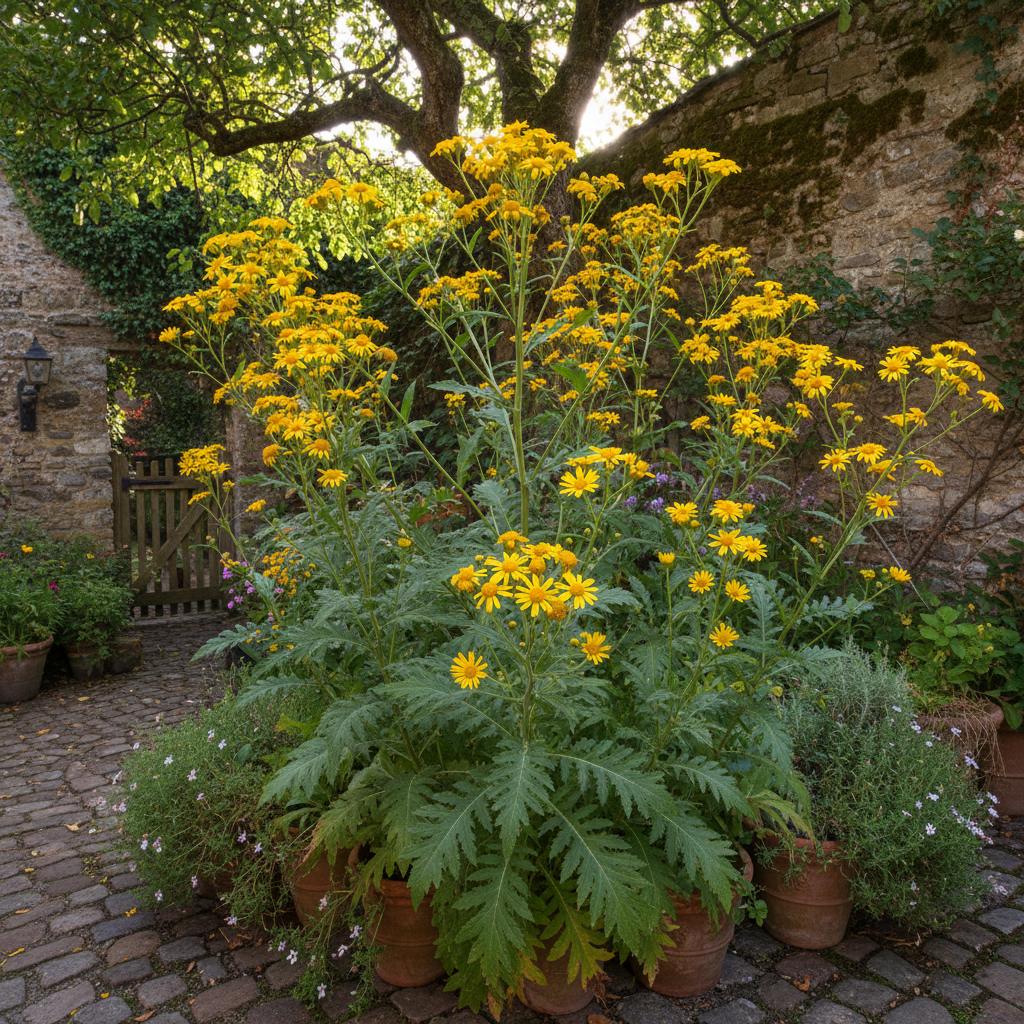
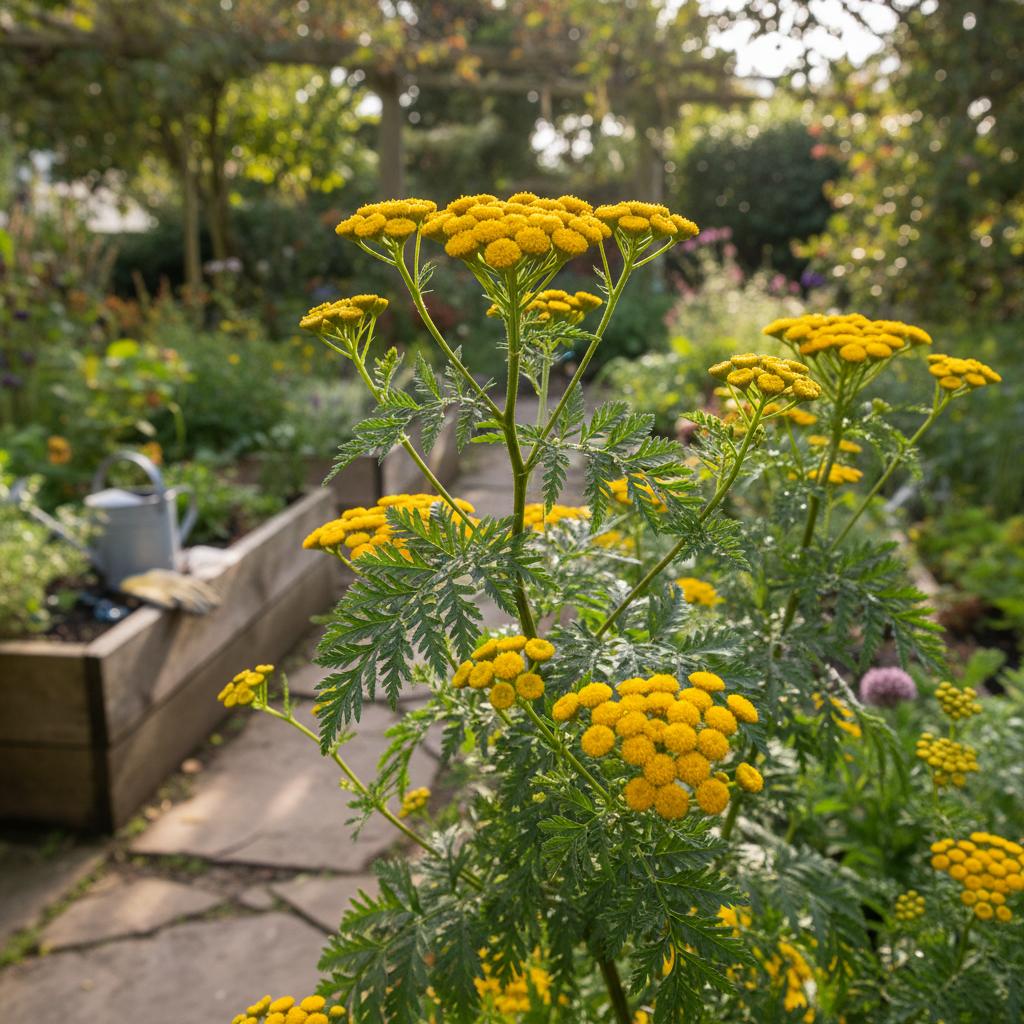
Easily confused with multiple highly toxic related species including Senecio and Tanacetum varieties
FAQ
Is Mugwort toxic to Humans?
Limited human toxicity data reported; may cause gastrointestinal upset, allergic reactions, or mild neurotoxic effects if consumed in large quantities (Low)
Is Mugwort toxic to Cats?
No species-specific toxicity data available, monitor for gastrointestinal distress or neurological signs if ingestion occurs (Low)
Is Mugwort toxic to Dogs?
Fasciculations of head muscles, eye rolling, teeth grinding, head rolling, central seizures with asphyxia, and temporary blindness after high-dose ingestion of oil from related Artemisia absinthium or santonin (Moderate)
Is Mugwort toxic to Horses?
Neurotoxic effects, gastrointestinal damage, and potential kidney injury following ingestion (Moderate)
Toxicity Details
Limited human toxicity data reported; may cause gastrointestinal upset, allergic reactions, or mild neurotoxic effects if consumed in large quantities
No species-specific toxicity data available, monitor for gastrointestinal distress or neurological signs if ingestion occurs
Fasciculations of head muscles, eye rolling, teeth grinding, head rolling, central seizures with asphyxia, and temporary blindness after high-dose ingestion of oil from related Artemisia absinthium or santonin
Neurotoxic effects, gastrointestinal damage, and potential kidney injury following ingestion
Toxicity Snapshot
First Aid & Prevention
First 30 Minutes
- • Induce vomiting only if explicitly instructed by a medical or veterinary professional
- • Rinse mouth thoroughly with clean water to remove remaining plant material
- • Collect any remaining plant sample for accurate identification to guide treatment
Contact Vet Immediately
- • Any confirmed or suspected ingestion of the plant by pets or livestock
- • Observation of symptoms including seizures, abnormal behavior, gastrointestinal distress, or vision changes
- • Known ingestion of large quantities of the plant by any animal species
Prevention
- • Avoid planting Mugwort in areas accessible to pets, livestock, or small children
- • Properly identify Artemisia species before culinary or medicinal use to avoid toxic relatives
- • Remove confirmed toxic lookalike plants from pastures and home garden spaces
Treatment & Prognosis
- • Decontamination via gastric lavage or activated charcoal administration as clinically indicated
- • Symptomatic care including anti-seizure medication, fluid therapy to support kidney function, and gastrointestinal support
- • Monitor organ function (kidney, liver) for 24-72 hours post-ingestion in symptomatic patients
Professional Toxicology
• Toxic components in related Artemisia species (thujone, sesquiterpene lactones) cause neurotoxic effects, gastrointestinal irritation, and cellular organ damage
• Santonin from Artemisia maritima triggers neurological symptoms including seizures and muscle fasciculations in canines
Information from CliniTox veterinary text.
The following plants look similar and may be confused:
Related Toxic Plants
Download PlantFun App
Identify, grow and care for plants effectively!
Instant Plant ID
Take a photo to quickly identify plants.
Smart Care Reminders
Generate watering and care schedules.
Toxicity & Disease Diagnosis
Identify toxic plants and pests with treatment advice.

Data Sources
This information is for reference only and does not constitute medical advice. If ingestion or poisoning is suspected, seek medical or veterinary attention immediately.