 PlantFun
Pineapple Toxic?
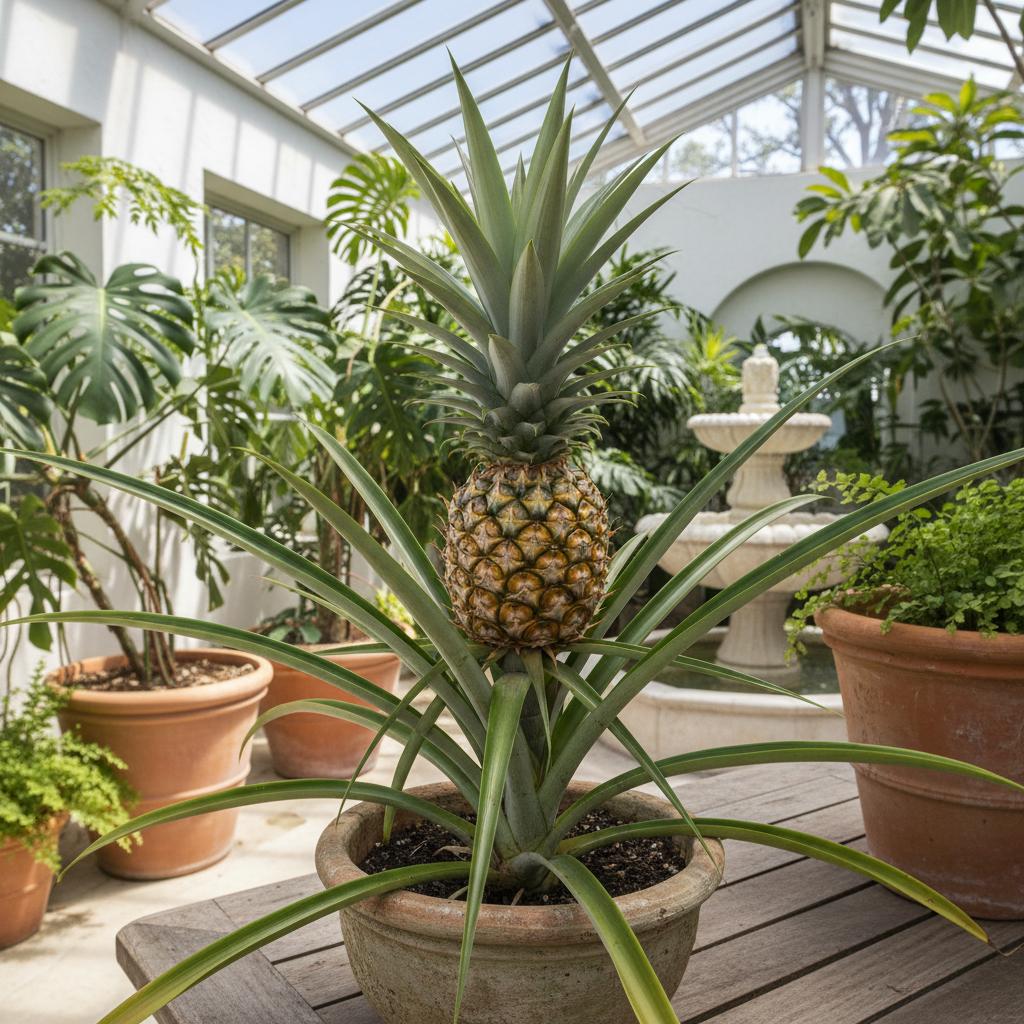
Pineapple leaves contain skin-irritating substances including the proteolytic enzyme bromelain
No published cases of animal poisoning from pineapple exposure are documented in available literature
Pineapple foliage is not suitable for use as pet forage or livestock feed
FAQ
Is Pineapple toxic to Humans?
Mild localized skin redness, itching, or irritation on contact with leaf sap; mild oral discomfort if large quantities of leaves are ingested (Low)
Is Pineapple toxic to Cats?
No documented poisoning cases, potential mild transient oral or skin irritation on contact with leaf sap (Non-toxic)
Is Pineapple toxic to Dogs?
No documented poisoning cases, potential mild transient oral or skin irritation on contact with leaf sap (Non-toxic)
Is Pineapple toxic to Horses?
No documented poisoning cases, potential mild gastrointestinal or oral irritation if large volumes of leaves are consumed (Non-toxic)
Toxicity Details
Mild localized skin redness, itching, or irritation on contact with leaf sap; mild oral discomfort if large quantities of leaves are ingested
No documented poisoning cases, potential mild transient oral or skin irritation on contact with leaf sap
No documented poisoning cases, potential mild transient oral or skin irritation on contact with leaf sap
No documented poisoning cases, potential mild gastrointestinal or oral irritation if large volumes of leaves are consumed
Toxicity Snapshot
First Aid & Prevention
First 30 Minutes
- • Rinse skin exposed to leaf sap thoroughly with cool running water for 10-15 minutes
- • Remove any remaining plant material from the mouth, fur, or skin of exposed people or animals immediately
- • Offer small sips of fresh water to animals that have ingested small amounts of leaves to dilute irritants
Contact Vet Immediately
- • If your pet shows persistent drooling, oral pain, or vomiting after contact with pineapple foliage
- • If skin irritation lasts longer than 24 hours after exposure in any animal species
- • If a horse ingests large quantities of leaves and shows signs of gastrointestinal distress
Prevention
- • Keep potted pineapple plants out of reach of pets that chew on houseplants
- • Wear gardening gloves when handling pineapple plant foliage to avoid sap exposure
- • Never feed pineapple leaves as forage to horses or other livestock
Treatment & Prognosis
- • Symptomatic care for dermal irritation, including topical anti-itch creams for humans if needed
- • Supportive care with gastrointestinal protectants if large volumes of leaves are ingested
- • Monitor for secondary infection if skin irritation causes broken skin lesions
Professional Toxicology
• Bromelain, a proteolytic enzyme in pineapple leaves, breaks down proteins in skin and mucous membranes to cause localized irritation
Information from CliniTox veterinary text.
The following plants look similar and may be confused:
Related Toxic Plants

Download PlantFun App
Identify, grow and care for plants effectively!
Instant Plant ID
Take a photo to quickly identify plants.
Smart Care Reminders
Generate watering and care schedules.
Toxicity & Disease Diagnosis
Identify toxic plants and pests with treatment advice.

Data Sources
This information is for reference only and does not constitute medical advice. If ingestion or poisoning is suspected, seek medical or veterinary attention immediately.