 PlantFun
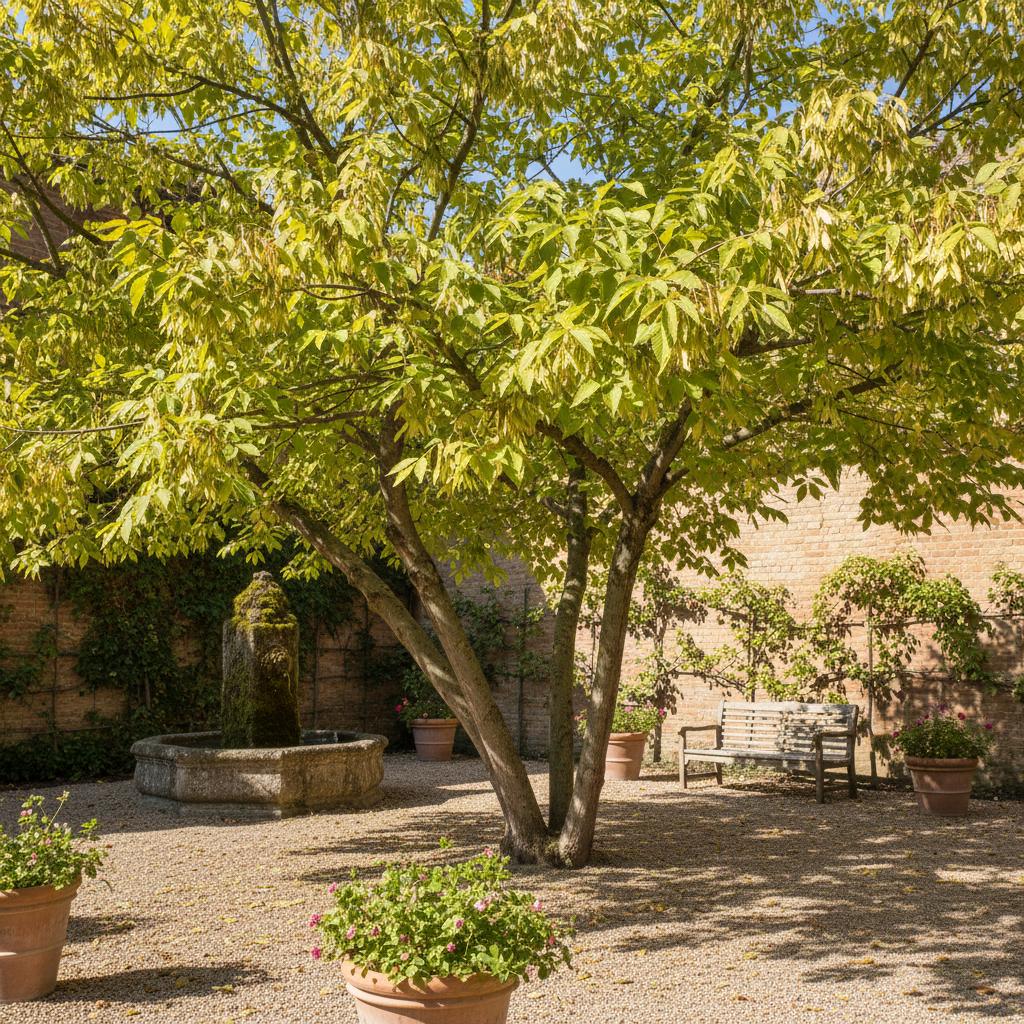
Silver maple Toxic?

Toxicity risk is almost exclusively limited to horses, with no confirmed harm to cats, dogs, or humans reported to date.
75% of affected horses die within 72 hours of symptom onset if they do not receive prompt veterinary care.
Toxicity is linked to mycotoxins from leaf spot pathogens, plus potential hypoglycin A cross-contamination from related Acer species.
FAQ
Is Silver maple toxic to Humans?
No confirmed human toxicity or associated adverse symptoms reported to date (Non-toxic)
Is Silver maple toxic to Cats?
No confirmed cat toxicity or associated adverse symptoms reported to date (Non-toxic)
Is Silver maple toxic to Dogs?
No confirmed dog toxicity or associated adverse symptoms reported to date (Non-toxic)
Is Silver maple toxic to Horses?
Atypical/seasonal pasture myopathy symptoms include muscle weakness, stiffness, dark urine, frequent lying down, colic signs, muscle tremors, and severe muscle pain (Severe)
Toxicity Details
No confirmed human toxicity or associated adverse symptoms reported to date
No confirmed cat toxicity or associated adverse symptoms reported to date
No confirmed dog toxicity or associated adverse symptoms reported to date
Atypical/seasonal pasture myopathy symptoms include muscle weakness, stiffness, dark urine, frequent lying down, colic signs, muscle tremors, and severe muscle pain
Toxicity Snapshot
First Aid & Prevention
First 30 Minutes
- • Immediately move the exposed animal away from any silver maple plant material to stop further ingestion
- • Administer activated charcoal to bind unabsorbed toxins in the gastrointestinal tract, under veterinary guidance
- • Restrict movement of affected horses to reduce additional muscle damage
Contact Vet Immediately
- • Any confirmed ingestion of silver maple seeds, discolored seeds, or spotted leaves by a horse
- • Appearance of muscle weakness, dark urine, colic, or tremors in horses pastured near maple trees
- • Unexplained lethargy or unusual symptoms in companion animals after suspected plant ingestion
Prevention
- • Limit horse pasture time to a maximum of 6 hours during high-risk spring and fall (October to December) periods
- • Do not graze horses on pastures containing maple trees, old wood, or accumulated leaf litter
- • Provide adequate hay supplementation for horses on overgrazed pastures to reduce foraging for fallen plant material
Treatment & Prognosis
- • Implement gastrointestinal decontamination procedures as soon as possible post-ingestion
- • Provide targeted symptomatic care including pain management, fluid therapy to support kidney function, and muscle support
- • Follow established equine emergency myopathy treatment protocols as directed by a veterinarian
Professional Toxicology
• Toxins disrupt muscle energy metabolism, leading to widespread rhabdomyolysis (muscle tissue breakdown)
• Myoglobin released from damaged muscle tissue accumulates in the kidneys, causing acute kidney injury
• Secondary mycotoxins and potential bacterial co-infection worsen symptom severity and mortality risk
Information from CliniTox veterinary text.
The following plants look similar and may be confused:
Related Toxic Plants


Download PlantFun App
Identify, grow and care for plants effectively!
Instant Plant ID
Take a photo to quickly identify plants.
Smart Care Reminders
Generate watering and care schedules.
Toxicity & Disease Diagnosis
Identify toxic plants and pests with treatment advice.

Data Sources
This information is for reference only and does not constitute medical advice. If ingestion or poisoning is suspected, seek medical or veterinary attention immediately.