 PlantFun
Box elder Toxic?
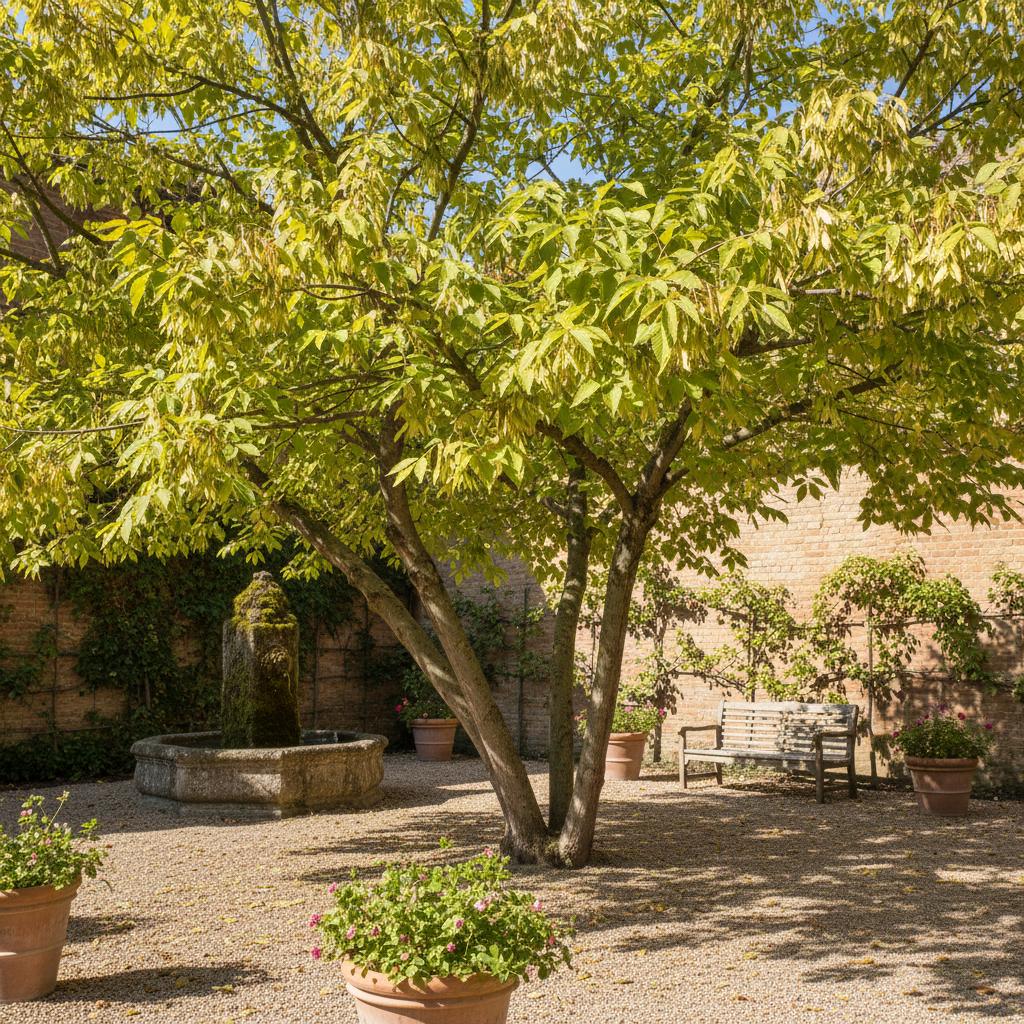
Toxic compounds include hypoglycin A (in seeds/seedlings) and mycotoxins from Rhytisma acerinum fungus
Primary toxicity risk affects horses, with a 75% fatality rate within 72 hours of symptom onset
Exposure risk is highest in spring and autumn when toxic plant debris accumulates on pastures
FAQ
Is Box elder toxic to Humans?
No confirmed toxicity symptoms reported in available clinical data (Non-toxic)
Is Box elder toxic to Cats?
No confirmed toxicity symptoms reported in available clinical data (Non-toxic)
Is Box elder toxic to Dogs?
No confirmed toxicity symptoms reported in available clinical data (Non-toxic)
Is Box elder toxic to Horses?
Atypical/seasonal pasture myopathy with muscle weakness, stiffness, dark urine, frequent lying down, colic signs, muscle tremors, and severe muscle pain (Severe)
Toxicity Details
No confirmed toxicity symptoms reported in available clinical data
No confirmed toxicity symptoms reported in available clinical data
No confirmed toxicity symptoms reported in available clinical data
Atypical/seasonal pasture myopathy with muscle weakness, stiffness, dark urine, frequent lying down, colic signs, muscle tremors, and severe muscle pain
Toxicity Snapshot
First Aid & Prevention
First 30 Minutes
- • Immediately move exposed animals (especially horses) away from access to box elder plant material
- • Provide uncontaminated hay and fresh water to conscious, alert horses to reduce further ingestion risk
- • Collect samples of any suspected ingested plant material to share with veterinary staff for identification
Contact Vet Immediately
- • Any confirmed or suspected ingestion of box elder seeds, seedlings, or spotted leaves by horses
- • Observation of muscle weakness, dark urine, colic, tremors, or unusual lethargy in horses grazing near maple trees
- • Unusual gastrointestinal or neurological symptoms in companion animals following suspected exposure
Prevention
- • Limit horse pasture time to under 6 hours during high-risk periods (spring, October to December autumn)
- • Avoid grazing horses on pastures containing box elder or other maple trees, fallen wood, or accumulated foliage
- • Provide adequate supplementary hay for horses on overgrazed pastures to reduce accidental ingestion of toxic plant material
Treatment & Prognosis
- • Administer veterinary-directed decontamination (e.g. activated charcoal) to reduce toxin absorption
- • Provide supportive symptomatic care including fluid therapy, pain management, and muscle support
- • Monitor muscle and kidney function for at least 72 hours post-exposure to catch secondary complications early
Professional Toxicology
• Hypoglycin A disrupts fatty acid oxidation and energy production in muscle cells, leading to widespread muscle tissue breakdown
• Associated mycotoxins and Clostridium sordellii may exacerbate toxic effects and increase disease severity
Information from CliniTox veterinary text.
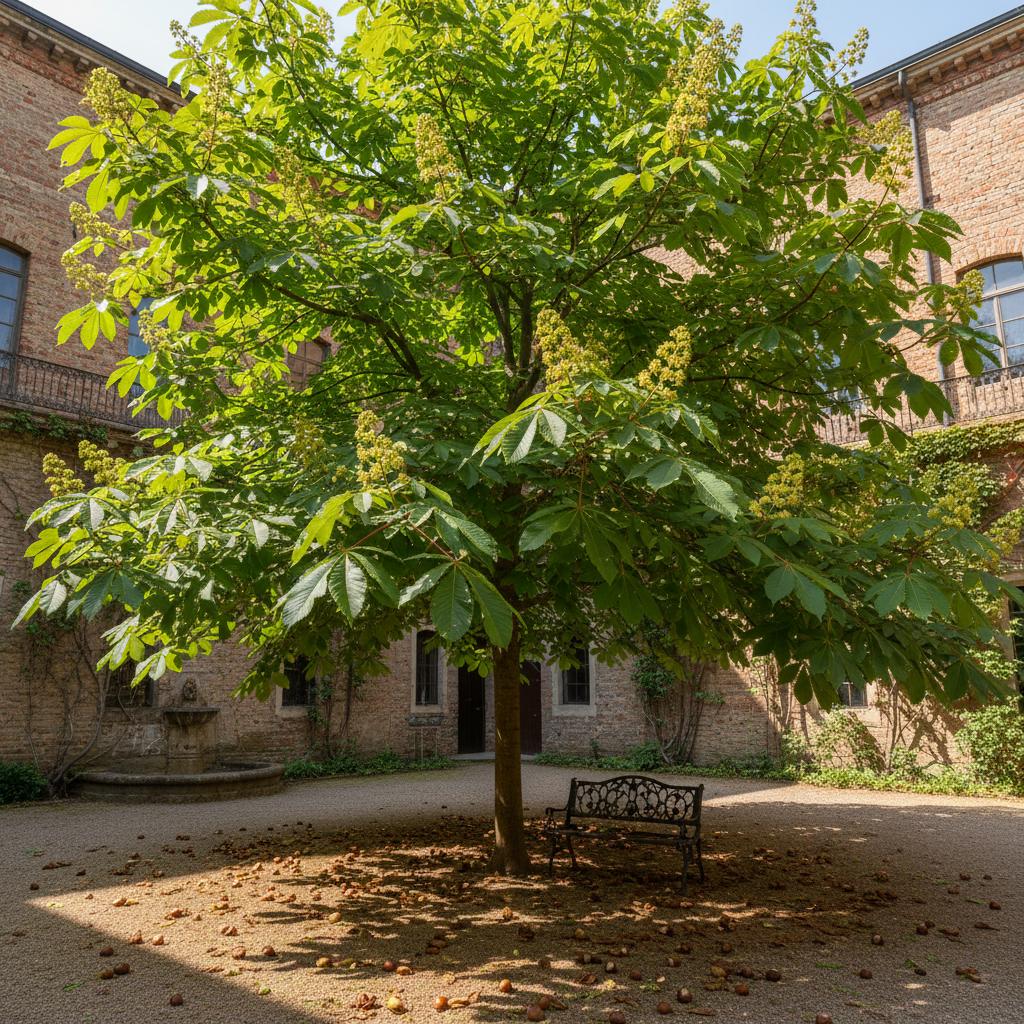
The following plants look similar and may be confused:
Related Toxic Plants


Download PlantFun App
Identify, grow and care for plants effectively!
Instant Plant ID
Take a photo to quickly identify plants.
Smart Care Reminders
Generate watering and care schedules.
Toxicity & Disease Diagnosis
Identify toxic plants and pests with treatment advice.

Data Sources
This information is for reference only and does not constitute medical advice. If ingestion or poisoning is suspected, seek medical or veterinary attention immediately.