 PlantFun
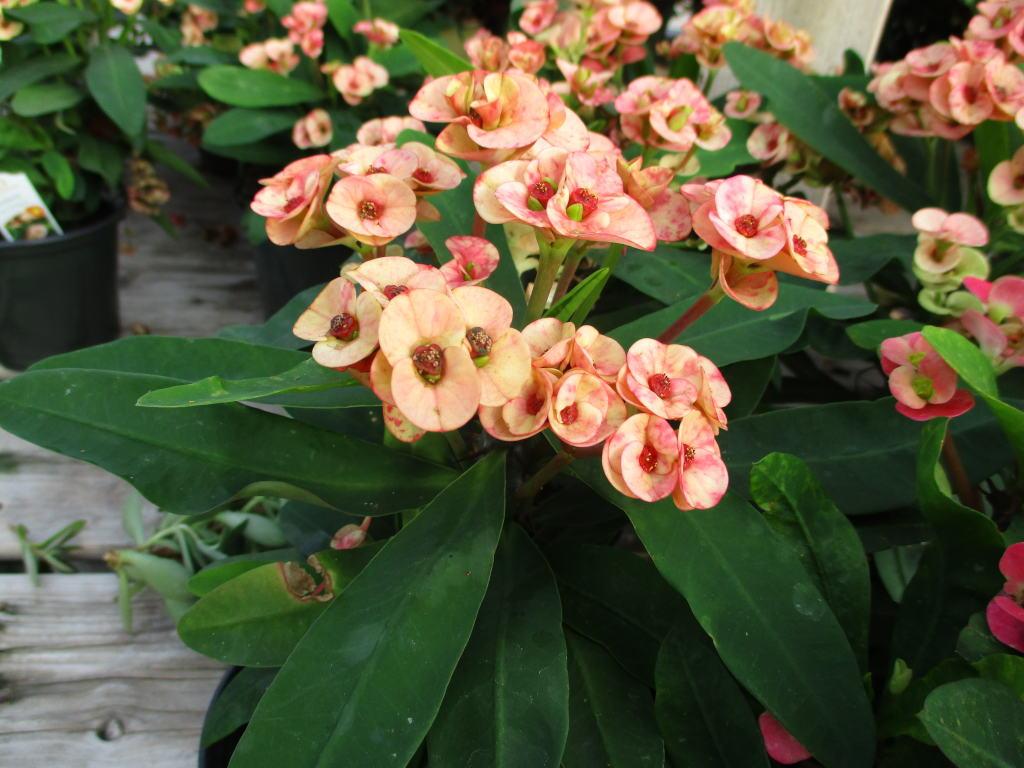
Dwarf chenille plant Toxic?
The highest concentration of toxic compounds is found in the plant's clear, irritant milky sap, though all parts carry some toxicity risk.
Exposure via ingestion or contact with skin/mucous membranes typically causes local irritation and gastrointestinal inflammation.
Treatment for exposure focuses on prompt decontamination and symptomatic management of irritation and inflammation.
FAQ
Is Dwarf chenille plant toxic to Humans?
Gastrointestinal inflammation (abdominal pain, nausea, vomiting, diarrhea), local skin, eye or mouth irritation on contact with sap (Moderate)
Is Dwarf chenille plant toxic to Cats?
Gastrointestinal distress (vomiting, diarrhea, drooling, reduced appetite), oral, eye or skin irritation after sap contact or ingestion (Moderate)
Is Dwarf chenille plant toxic to Dogs?
Gastrointestinal distress (vomiting, diarrhea, drooling, reduced appetite), oral, eye or skin irritation after sap contact or ingestion (Moderate)
Is Dwarf chenille plant toxic to Horses?
Gastrointestinal inflammation (diarrhea, abdominal pain, reduced feed intake) if significant quantities are ingested (Moderate)
Toxicity Details
Gastrointestinal inflammation (abdominal pain, nausea, vomiting, diarrhea), local skin, eye or mouth irritation on contact with sap
Gastrointestinal distress (vomiting, diarrhea, drooling, reduced appetite), oral, eye or skin irritation after sap contact or ingestion
Gastrointestinal distress (vomiting, diarrhea, drooling, reduced appetite), oral, eye or skin irritation after sap contact or ingestion
Gastrointestinal inflammation (diarrhea, abdominal pain, reduced feed intake) if significant quantities are ingested
Toxicity Snapshot
First Aid & Prevention
First 30 Minutes
- • For skin/eye exposure: Flush affected area with cool running water for 10-15 minutes to remove all sap residue
- • For ingestion: Rinse mouth thoroughly with water; do not induce vomiting unless instructed by a medical/veterinary professional
- • Remove all remaining plant material from the exposure site and surrounding area to prevent further contact
Contact Vet Immediately
- • Your pet has ingested any quantity of the plant, or has had direct contact with its sap
- • Your pet develops vomiting, diarrhea, drooling, pawing at the mouth/eyes, or skin redness after exposure
- • Your horse is observed ingesting the plant, even if no immediate symptoms are present
Prevention
- • Keep the plant out of reach of children, pets and livestock; avoid planting it in pastures or pet-accessible yards
- • Wear gloves and eye protection when pruning or handling the plant to avoid contact with irritant sap
- • Educate household members and caregivers about the plant's toxicity to prevent accidental exposure
Treatment & Prognosis
- • Decontamination: Remove remaining plant material, administer activated charcoal for recent ingestion under professional supervision
- • Symptomatic care: Provide anti-emetics, fluid therapy and anti-inflammatory medication to manage gastrointestinal irritation
- • Monitor exposed individuals for 24-48 hours post-exposure to catch any delayed or secondary complications
Professional Toxicology
• Diterpene esters act as potent irritants that trigger inflammation of mucous membranes and gastrointestinal tissue on contact or ingestion
Information from CliniTox veterinary text.
The following plants look similar and may be confused:
Related Toxic Plants


Download PlantFun App
Identify, grow and care for plants effectively!
Instant Plant ID
Take a photo to quickly identify plants.
Smart Care Reminders
Generate watering and care schedules.
Toxicity & Disease Diagnosis
Identify toxic plants and pests with treatment advice.

Data Sources
This information is for reference only and does not constitute medical advice. If ingestion or poisoning is suspected, seek medical or veterinary attention immediately.