 PlantFun
White hellebore Toxic?
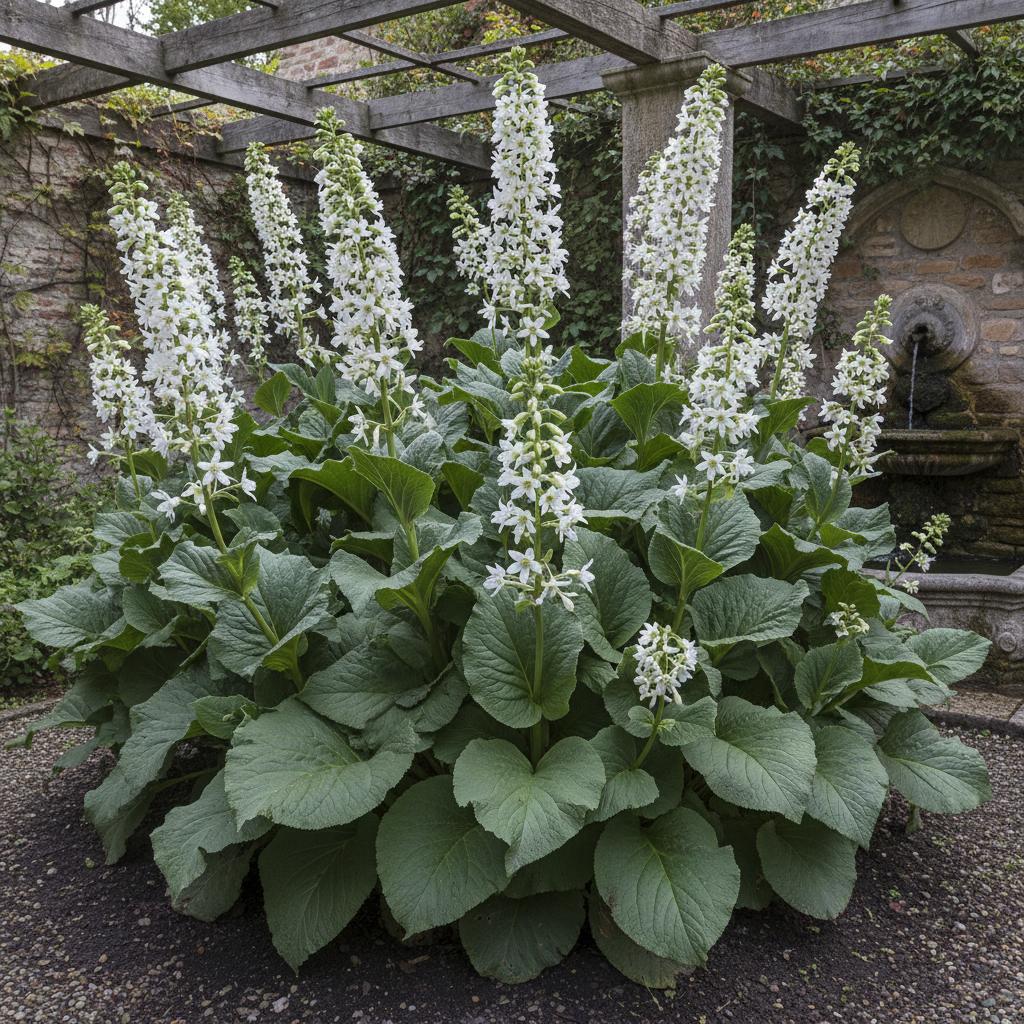
All plant parts are toxic, including dried material in fodder, as alkaloids are not inactivated by drying.
Ingestion causes severe gastrointestinal, neurological and cardiovascular symptoms, with death from circulatory failure possible 3-12 hours post-exposure.
It is frequently confused with the non-toxic edible yellow gentian, raising accidental poisoning risk.
Related Veratrum species contain teratogenic compounds that cause birth defects if ingested by pregnant ruminants.
FAQ
Is White hellebore toxic to Humans?
Apathy, hypothermia, sweating, excessive salivation, vomiting, colic, sometimes bloody diarrhea, ataxia, muscle contractions, central seizures, muscle weakness progressing to paralysis, hypotension, bradycardia, arrhythmia, dyspnea, abnormal respiratory rate, potentially fatal circulatory failure 3-12 hours after ingestion. (Severe)
Is White hellebore toxic to Cats?
Species-specific symptoms not documented; expected to mirror general toxicity symptoms including gastrointestinal distress, neurological abnormalities, cardiovascular dysfunction and potential fatality. (Severe)
Is White hellebore toxic to Dogs?
Species-specific symptoms not documented; expected to mirror general toxicity symptoms including gastrointestinal distress, neurological abnormalities, cardiovascular dysfunction and potential fatality. (Severe)
Is White hellebore toxic to Horses?
Species-specific symptoms not documented; expected to mirror general toxicity symptoms including gastrointestinal distress, neurological abnormalities, cardiovascular dysfunction and potential fatality. (Severe)
Toxicity Details
Apathy, hypothermia, sweating, excessive salivation, vomiting, colic, sometimes bloody diarrhea, ataxia, muscle contractions, central seizures, muscle weakness progressing to paralysis, hypotension, bradycardia, arrhythmia, dyspnea, abnormal respiratory rate, potentially fatal circulatory failure 3-12 hours after ingestion.
Species-specific symptoms not documented; expected to mirror general toxicity symptoms including gastrointestinal distress, neurological abnormalities, cardiovascular dysfunction and potential fatality.
Species-specific symptoms not documented; expected to mirror general toxicity symptoms including gastrointestinal distress, neurological abnormalities, cardiovascular dysfunction and potential fatality.
Species-specific symptoms not documented; expected to mirror general toxicity symptoms including gastrointestinal distress, neurological abnormalities, cardiovascular dysfunction and potential fatality.
Toxicity Snapshot
First Aid & Prevention
First 30 Minutes
- • Induce vomiting if ingestion occurred within 2 hours and the affected individual is conscious and alert.
- • Administer activated charcoal to bind unabsorbed toxic alkaloids in the gastrointestinal tract.
- • Move the affected individual to a warm, quiet area to reduce stress and prevent worsening of hypothermia.
Contact Vet Immediately
- • Any confirmed or suspected ingestion of any amount of Veratrum album material, regardless of initial symptoms.
- • Onset of vomiting, bloody diarrhea, abnormal heart rate, seizures, or difficulty breathing after plant exposure.
- • Confirmed contamination of hay/fodder supplies with dried Veratrum album material for livestock or pet feed.
Prevention
- • Avoid foraging for wild edible plants in areas where Veratrum album grows to prevent confusion with non-toxic species like yellow gentian.
- • Inspect all hay and fodder supplies for Veratrum album contamination before feeding to livestock or pets.
- • Remove identified Veratrum album plants from residential yards, pastures and grazing land to reduce accidental exposure risk.
Treatment & Prognosis
- • Perform gastrointestinal decontamination including emesis, activated charcoal administration, or gastric lavage as appropriate for species and time since ingestion.
- • Provide continuous supportive care: monitor and regulate heart rate, blood pressure, respiratory function and core body temperature.
- • Administer targeted medications to control seizures, arrhythmias, pain, and gastrointestinal symptoms as they arise.
Professional Toxicology
• Steroidal alkaloids act on the central nervous system, cardiovascular system and gastrointestinal mucosa to produce toxic effects.
• Alkaloids remain fully active after drying, so dried plant material retains full toxicity.
• Related Veratrum species produce teratogenic compounds that disrupt fetal development if ingested during pregnancy.
Information from CliniTox veterinary text.
The following plants look similar and may be confused:
Related Toxic Plants

Download PlantFun App
Identify, grow and care for plants effectively!
Instant Plant ID
Take a photo to quickly identify plants.
Smart Care Reminders
Generate watering and care schedules.
Toxicity & Disease Diagnosis
Identify toxic plants and pests with treatment advice.

Data Sources
This information is for reference only and does not constitute medical advice. If ingestion or poisoning is suspected, seek medical or veterinary attention immediately.