 PlantFun
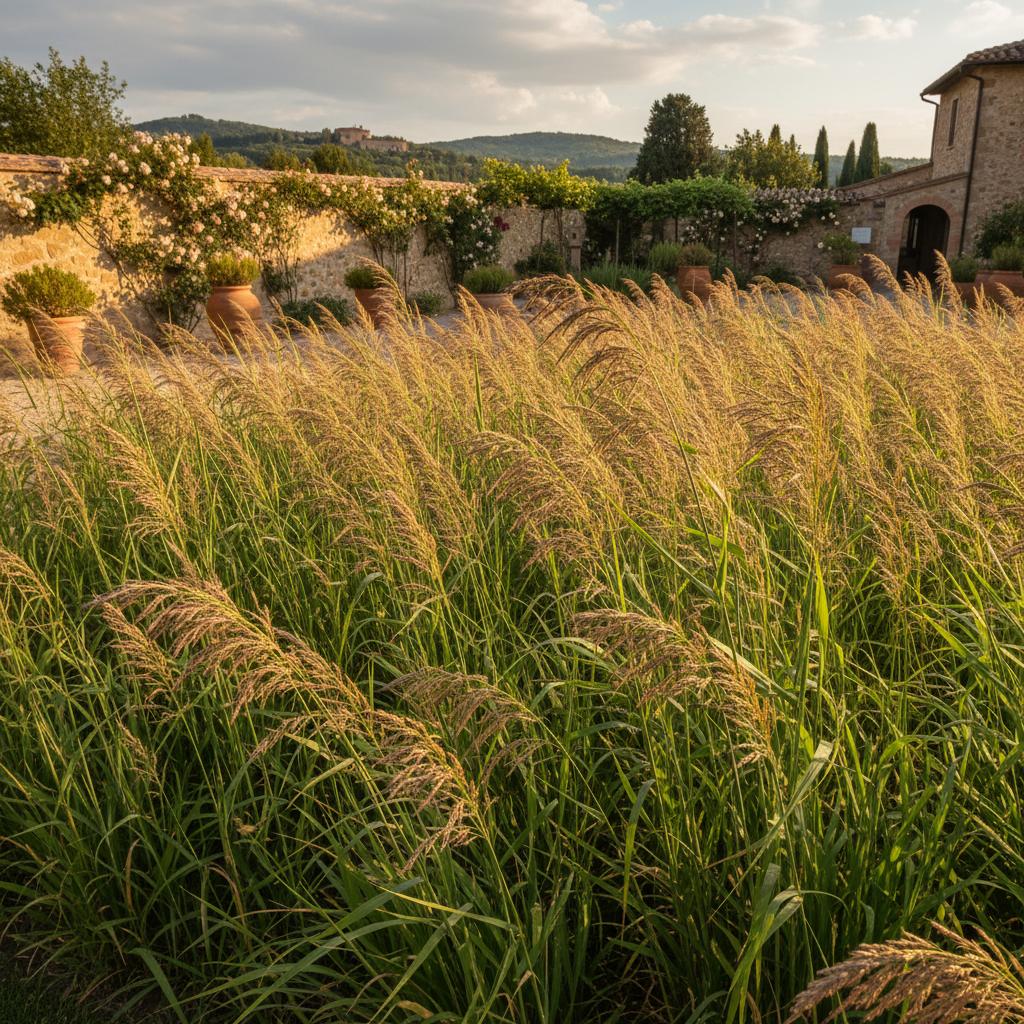
Golden oat grass Toxic?
The entire plant is toxic, with active compounds remaining effective even when processed into dry feed
Ingestion can trigger enzootic calcinosis in horses and ruminants, leading to locomotor, cardiac and respiratory impairment
No specific targeted veterinary treatment is available for poisoning caused by this species
FAQ
Is Golden oat grass toxic to Humans?
No confirmed human poisoning cases reported; large quantity ingestion may potentially cause abnormal calcium metabolism (Unknown)
Is Golden oat grass toxic to Cats?
No documented toxicity cases for cats in available clinical data (Unknown)
Is Golden oat grass toxic to Dogs?
No documented toxicity cases for dogs in available clinical data (Unknown)
Is Golden oat grass toxic to Horses?
Enzootic calcinosis symptoms: reduced milk production, apathy, kyphosis, difficulty standing, shuffling gait, reluctance to move, tenderness and loss of definition in forelimb flexor tendons, elevated heart rate, abdominal breathing, potential hardening of digital arteries and abdominal aorta (Moderate)
Toxicity Details
No confirmed human poisoning cases reported; large quantity ingestion may potentially cause abnormal calcium metabolism
No documented toxicity cases for cats in available clinical data
No documented toxicity cases for dogs in available clinical data
Enzootic calcinosis symptoms: reduced milk production, apathy, kyphosis, difficulty standing, shuffling gait, reluctance to move, tenderness and loss of definition in forelimb flexor tendons, elevated heart rate, abdominal breathing, potential hardening of digital arteries and abdominal aorta
Toxicity Snapshot
First Aid & Prevention
First 30 Minutes
- • Immediately stop the affected animal from ingesting any remaining golden oat grass or contaminated forage
- • Move the animal to a quiet, low-activity area to avoid exacerbating symptoms
- • Collect samples of the suspected ingested plant/forage for accurate identification
Contact Vet Immediately
- • Horses or ruminants show abnormal locomotion including difficulty standing, shuffling gait or reluctance to move
- • Exposed animals present elevated heart rate, labored breathing or obvious pain responses
- • Livestock show unexplained reduced milk production or persistent apathy after potential exposure
Prevention
- • Regularly inspect pastures and forage supplies for golden oat grass, especially in Alpine and pre-Alpine regions
- • Avoid harvesting forage from areas confirmed to have growth of this toxic grass species
- • Train livestock handlers to identify golden oat grass to prevent accidental feeding
Treatment & Prognosis
- • Immediately isolate affected animals from further exposure to the toxic plant
- • Provide veterinarian-directed supportive care to regulate calcium metabolism and alleviate symptoms
- • Monitor cardiac and respiratory function of severely affected animals closely
Professional Toxicology
• Calcinogenic glycosides and active vitamin D3 metabolites increase intestinal calcium absorption
• Excess calcium leads to abnormal calcification of soft tissues, tendons, arteries and internal organs, triggering enzootic calcinosis
Information from CliniTox veterinary text.
The following plants look similar and may be confused:
Related Toxic Plants

Download PlantFun App
Identify, grow and care for plants effectively!
Instant Plant ID
Take a photo to quickly identify plants.
Smart Care Reminders
Generate watering and care schedules.
Toxicity & Disease Diagnosis
Identify toxic plants and pests with treatment advice.

Data Sources
This information is for reference only and does not constitute medical advice. If ingestion or poisoning is suspected, seek medical or veterinary attention immediately.