 PlantFun
Tahitian Bridal Veil Toxic?
Tradescantia multiflora is confirmed toxic to both cats and dogs per official ASPCA records
Exposure may cause mild gastrointestinal symptoms and contact dermatitis in affected pets
Toxicity risk to horses is unconfirmed, so exposure should be avoided as a precaution
FAQ
Is Tahitian Bridal Veil toxic to Humans?
No confirmed systemic toxicity data available; direct sap contact may cause mild skin irritation in sensitive individuals (Low)
Is Tahitian Bridal Veil toxic to Cats?
Mild gastrointestinal signs (vomiting, diarrhea, drooling) and contact dermatitis (redness, itching, rash) (Low)
Is Tahitian Bridal Veil toxic to Dogs?
Mild gastrointestinal signs (vomiting, diarrhea, drooling) and contact dermatitis (redness, itching, rash) (Low)
Is Tahitian Bridal Veil toxic to Horses?
No confirmed clinical symptoms documented; toxicity risk remains unknown (Unknown)
Toxicity Details
No confirmed systemic toxicity data available; direct sap contact may cause mild skin irritation in sensitive individuals
Mild gastrointestinal signs (vomiting, diarrhea, drooling) and contact dermatitis (redness, itching, rash)
Mild gastrointestinal signs (vomiting, diarrhea, drooling) and contact dermatitis (redness, itching, rash)
No confirmed clinical symptoms documented; toxicity risk remains unknown
Toxicity Snapshot
First Aid & Prevention
First 30 Minutes
- • Remove any remaining plant material from the affected animal's mouth immediately, rinse mouth with clean water
- • Wash skin exposed to plant sap thoroughly with mild soap and cool water for 10-15 minutes
- • Monitor the animal closely for onset of symptoms including vomiting, diarrhea, or skin redness for 24 hours post exposure
Contact Vet Immediately
- • Your cat or dog has ingested a large quantity of the plant
- • Persistent vomiting, diarrhea, or severe skin irritation (swelling, blisters) develops
- • Your horse has ingested the plant, as precautionary veterinary assessment is recommended
Prevention
- • Keep potted Tahitian Bridal Veil out of reach of cats, dogs, and grazing livestock
- • Wear protective gardening gloves when handling the plant to avoid sap contact
- • Remove wild-growing Tradescantia multiflora from pet and livestock accessible areas
Treatment & Prognosis
- • Supportive care including fluid administration to address gastrointestinal dehydration if required
- • Prescribed topical corticosteroids or antihistamines to treat contact dermatitis symptoms
- • Veterinarian-prescribed anti-emetics to control persistent vomiting in severe ingestion cases
Professional Toxicology
• Irritant components in plant sap trigger local inflammatory response on skin contact
• Ingestion leads to mild irritation of the gastrointestinal tract mucosal lining
Information from CliniTox veterinary text.
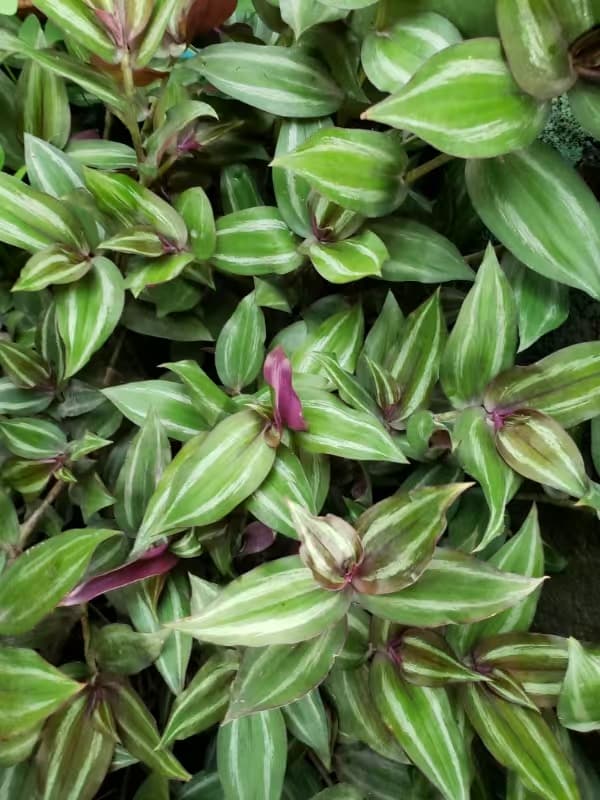
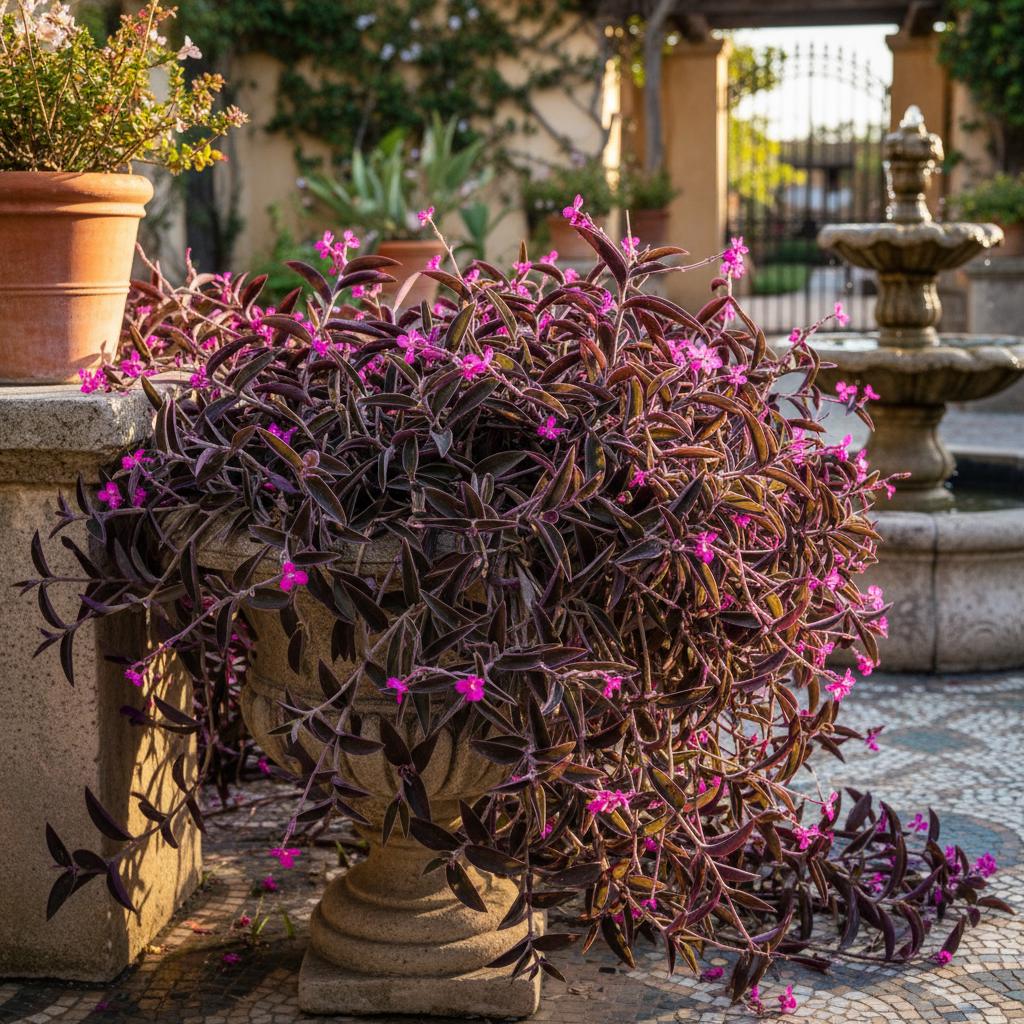
The following plants look similar and may be confused:
Related Toxic Plants
Download PlantFun App
Identify, grow and care for plants effectively!
Instant Plant ID
Take a photo to quickly identify plants.
Smart Care Reminders
Generate watering and care schedules.
Toxicity & Disease Diagnosis
Identify toxic plants and pests with treatment advice.

Data Sources
This information is for reference only and does not constitute medical advice. If ingestion or poisoning is suspected, seek medical or veterinary attention immediately.