 PlantFun
Inch plant Toxic?

All parts of the plant contain calcium oxalate raphides that trigger irritation on skin or mucosal contact.
The species is severely toxic to birds, and can cause fatal nitrate poisoning in grazing ruminants within 2 hours of ingestion.
Exposure in dogs may cause pustular skin lesions, vomiting, abdominal pain, lethargy, and acute circulatory collapse.
FAQ
Is Inch plant toxic to Humans?
Possible contact dermatitis (redness, itching, blistering, swelling) on skin/mucosal exposure; mild gastrointestinal upset if ingested (Low)
Is Inch plant toxic to Cats?
No species-specific clinical data available; monitor for oral irritation, drooling, vomiting, and lethargy if ingested (Low)
Is Inch plant toxic to Dogs?
Vesico-pustular skin and mucosal lesions, itching, redness, swelling, exudation; possible vomiting, abdominal pain, lethargy, and acute circulatory collapse (Moderate)
Is Inch plant toxic to Horses?
No species-specific clinical data available; monitor for oral irritation, colic, drooling, and lethargy if ingested (Low)
Toxicity Details
Possible contact dermatitis (redness, itching, blistering, swelling) on skin/mucosal exposure; mild gastrointestinal upset if ingested
No species-specific clinical data available; monitor for oral irritation, drooling, vomiting, and lethargy if ingested
Vesico-pustular skin and mucosal lesions, itching, redness, swelling, exudation; possible vomiting, abdominal pain, lethargy, and acute circulatory collapse
No species-specific clinical data available; monitor for oral irritation, colic, drooling, and lethargy if ingested
Toxicity Snapshot
First Aid & Prevention
First 30 Minutes
- • Remove all remaining plant material from skin, fur, or mouth of the exposed individual immediately
- • Rinse exposed skin or mucous membranes with cool running water for 10-15 minutes to reduce irritation
- • If ingested, offer small sips of water to dilute toxins; do not induce vomiting unless advised by a professional
Contact Vet Immediately
- • Severe swelling, blistering, or difficulty breathing develops after exposure
- • Vomiting, abdominal pain, lethargy, or unusual behavior appears post-ingestion
- • Exposure occurs in birds, grazing livestock, or small sensitive pets
Prevention
- • Keep plants out of reach of children, pets, birds, and grazing livestock
- • Wear protective gloves when handling the plant to avoid contact with toxic sap
- • Avoid planting this species in pastures or areas accessible to free-roaming animals
Treatment & Prognosis
- • Administer symptomatic supportive care aligned with presented clinical symptoms
- • For methaemoglobinaemia in cattle, give 1% methylene blue at 9mg/kg slow IV, repeat after 30 minutes if needed
- • Administer vitamin C as indicated: 20mg/kg initial IV dose, followed by 30mg/kg orally 3 times daily
Professional Toxicology
• Calcium oxalate raphides cause mechanical irritation to skin and mucous membranes on contact
• Plant sap triggers cell-mediated immune responses leading to contact dermatitis in sensitive species
• Accumulated nitrates cause nitrate poisoning and methaemoglobinaemia in grazing ruminants
Information from CliniTox veterinary text.
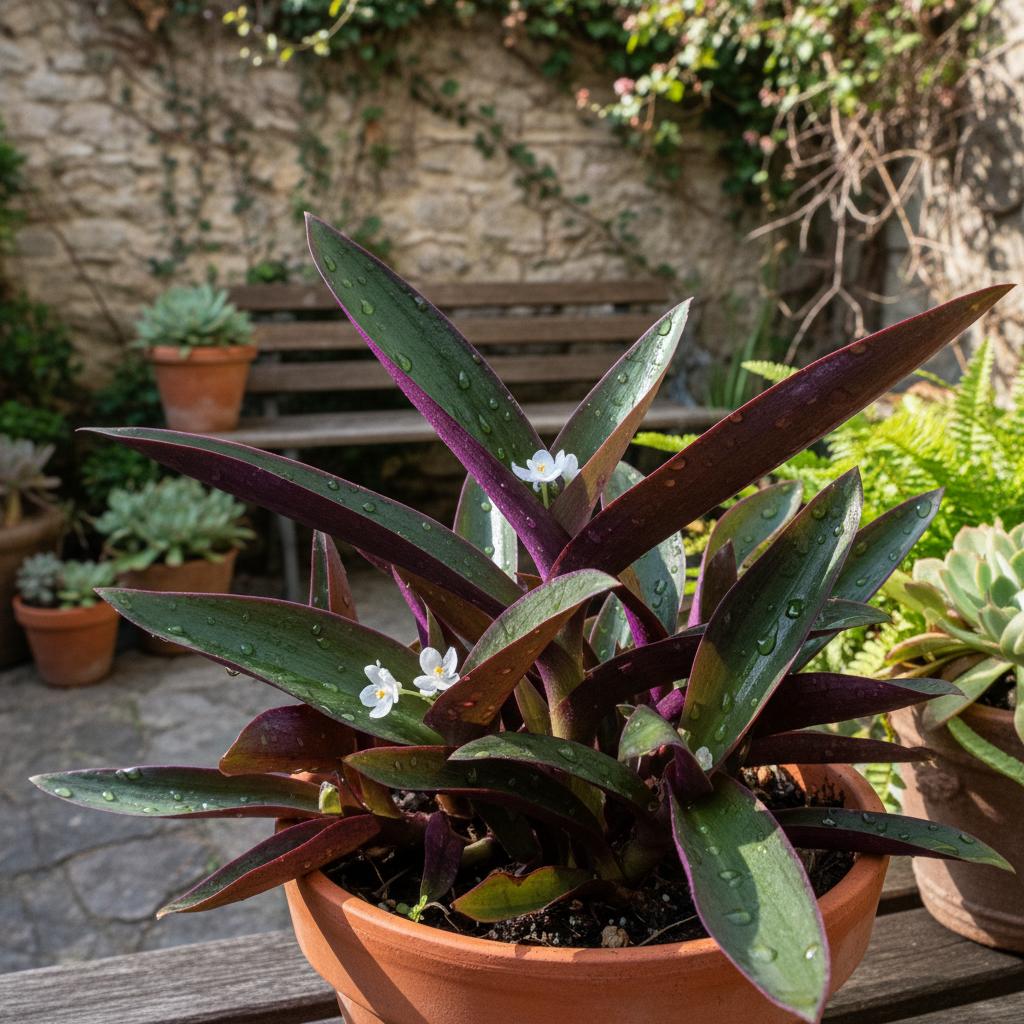
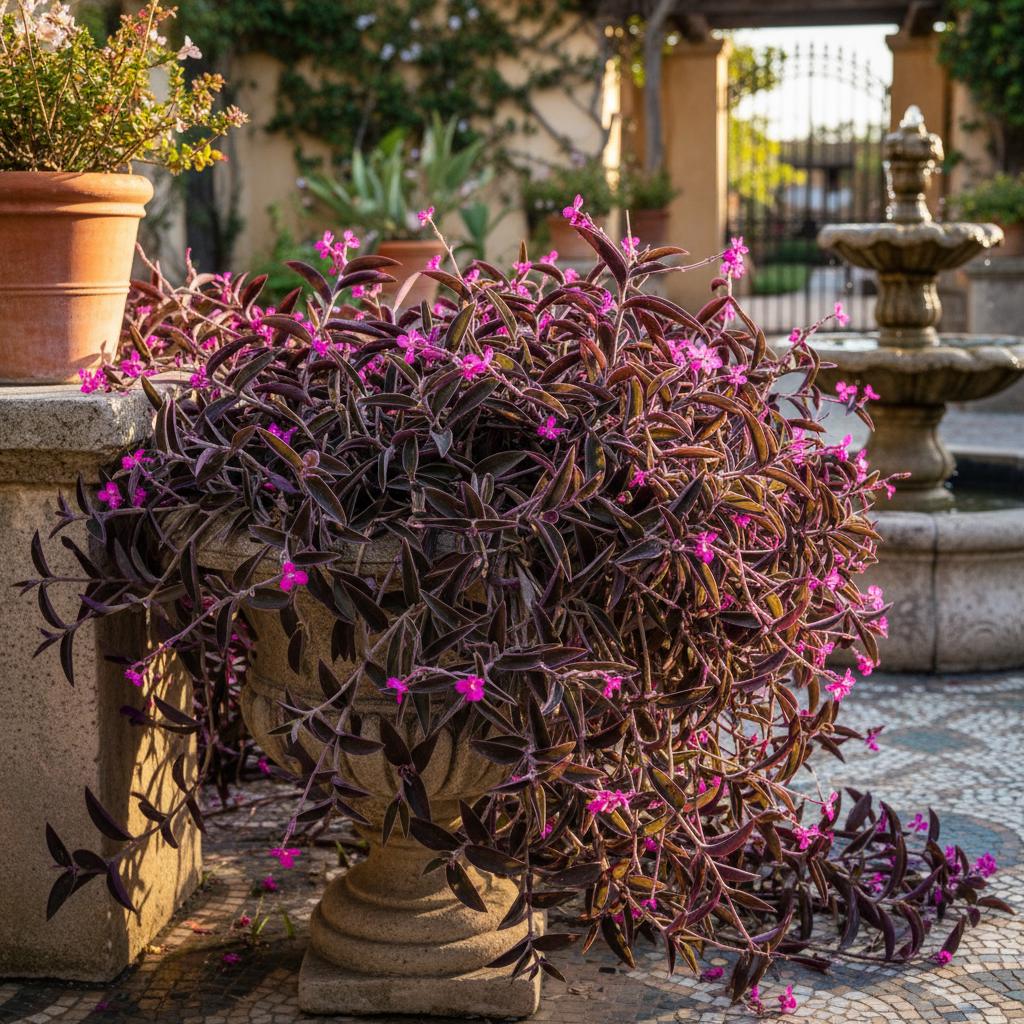
The following plants look similar and may be confused:
Related Toxic Plants

Download PlantFun App
Identify, grow and care for plants effectively!
Instant Plant ID
Take a photo to quickly identify plants.
Smart Care Reminders
Generate watering and care schedules.
Toxicity & Disease Diagnosis
Identify toxic plants and pests with treatment advice.

Data Sources
This information is for reference only and does not constitute medical advice. If ingestion or poisoning is suspected, seek medical or veterinary attention immediately.