 PlantFun
Variegated Laurel Toxic?
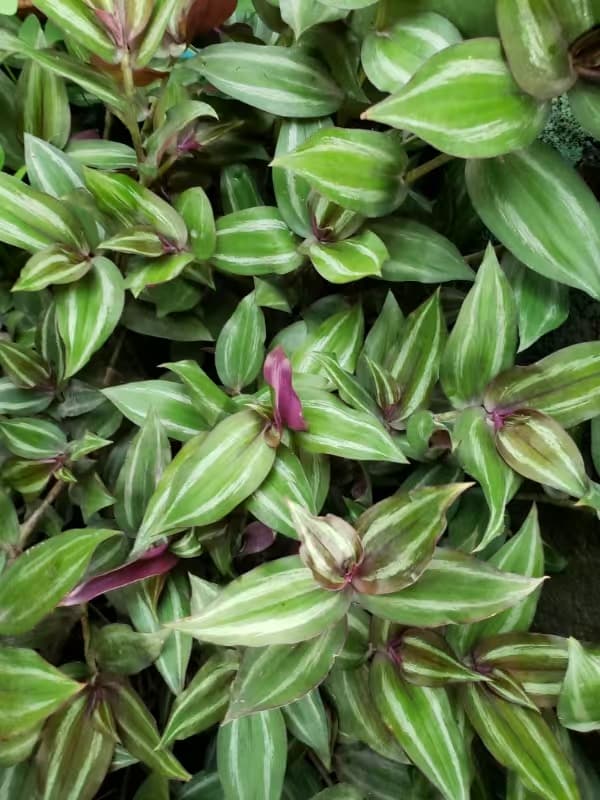
Tradescantia flumeninsis is confirmed toxic to cats, dogs, and horses per official ASPCA data
The primary documented adverse reaction to exposure is localized contact dermatitis
Restricting access to the plant for at-risk animals is the most effective prevention measure
FAQ
Is Variegated Laurel toxic to Humans?
No formal human toxicity data is on record; mild skin irritation is possible in sensitive individuals after direct contact (Low)
Is Variegated Laurel toxic to Cats?
Localized contact dermatitis after exposure to plant tissue or sap (Low)
Is Variegated Laurel toxic to Dogs?
Localized contact dermatitis after exposure to plant tissue or sap (Low)
Is Variegated Laurel toxic to Horses?
Localized contact dermatitis after exposure to plant tissue or sap (Low)
Toxicity Details
No formal human toxicity data is on record; mild skin irritation is possible in sensitive individuals after direct contact
Localized contact dermatitis after exposure to plant tissue or sap
Localized contact dermatitis after exposure to plant tissue or sap
Localized contact dermatitis after exposure to plant tissue or sap
Toxicity Snapshot
First Aid & Prevention
First 30 Minutes
- • Rinse exposed skin/fur/paws with cool running water and mild soap immediately after contact
- • If ingested, rinse the affected individual's mouth thoroughly with clean water to remove residual plant matter
- • Dispose of any remaining plant debris in the exposure area to avoid repeated contact
Contact Vet Immediately
- • Dermatitis symptoms (redness, swelling, itching) persist for more than 24 hours post-exposure
- • The affected animal develops blisters, ulcerations, or signs of pain at the exposure site
- • Large volumes of the plant were ingested, or the animal exhibits unusual lethargy or respiratory distress
Prevention
- • Keep potted specimens or outdoor plantings out of reach of cats, dogs, and grazing horses
- • Wear disposable gloves when pruning or handling the plant to avoid direct sap contact
- • Immediately clean up fallen leaves or clippings from areas accessible to at-risk animals
Treatment & Prognosis
- • Administer prescribed topical antihistamines or corticosteroids to reduce dermatitis inflammation and itching
- • Apply cool, sterile compresses to irritated skin sites to reduce discomfort
- • Monitor for signs of secondary bacterial infection of irritated skin and seek follow-up care if needed
Professional Toxicology
• Irritant compounds in plant sap trigger localized inflammatory responses in skin tissue on direct contact
Information from CliniTox veterinary text.
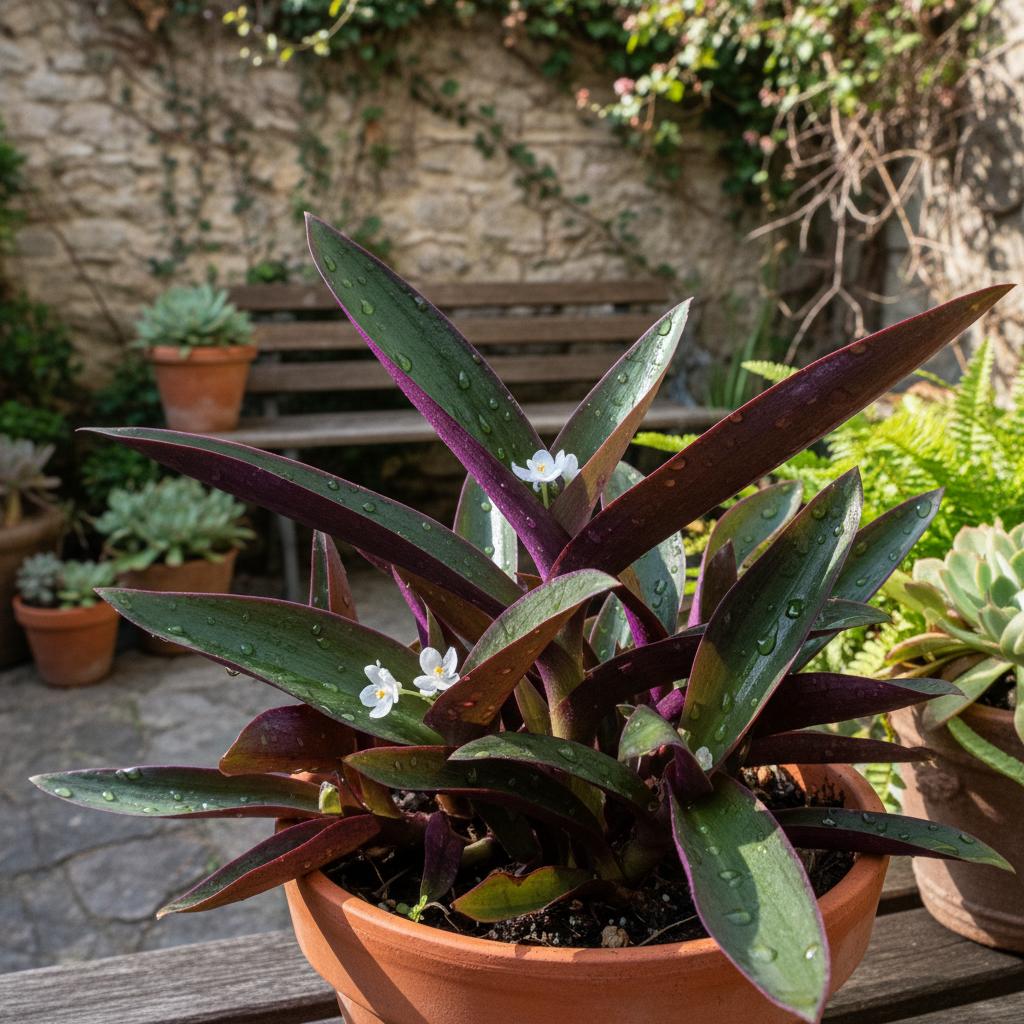
The following plants look similar and may be confused:
Related Toxic Plants

Download PlantFun App
Identify, grow and care for plants effectively!
Instant Plant ID
Take a photo to quickly identify plants.
Smart Care Reminders
Generate watering and care schedules.
Toxicity & Disease Diagnosis
Identify toxic plants and pests with treatment advice.

Data Sources
This information is for reference only and does not constitute medical advice. If ingestion or poisoning is suspected, seek medical or veterinary attention immediately.