 PlantFun
Mulberry Bush Greenbrier Toxic?
Smilax sp. is verified non-toxic to cats, dogs, and horses by official ASPCA toxicology assessments
No toxic active principles or phytochemicals have been identified in this plant species
Accidental ingestion of small to moderate quantities poses no known toxic risk to common companion animals or livestock
FAQ
Is Mulberry Bush Greenbrier toxic to Humans?
No known toxic symptoms; ingestion of very large volumes may cause mild, non-toxic gastrointestinal upset (Non-toxic)
Is Mulberry Bush Greenbrier toxic to Cats?
No known toxic symptoms; excessive chewing/ingestion may lead to minor temporary digestive discomfort (Non-toxic)
Is Mulberry Bush Greenbrier toxic to Dogs?
No known toxic symptoms; large intake may trigger mild transient gastrointestinal irritation (Non-toxic)
Is Mulberry Bush Greenbrier toxic to Horses?
No known toxic symptoms; heavy grazing of large volumes may cause mild, non-harmful digestive upset (Non-toxic)
Toxicity Details
No known toxic symptoms; ingestion of very large volumes may cause mild, non-toxic gastrointestinal upset
No known toxic symptoms; excessive chewing/ingestion may lead to minor temporary digestive discomfort
No known toxic symptoms; large intake may trigger mild transient gastrointestinal irritation
No known toxic symptoms; heavy grazing of large volumes may cause mild, non-harmful digestive upset
Toxicity Snapshot
First Aid & Prevention
First 30 Minutes
- • Rinse any residual plant matter from the mouth of the exposed individual/animal to reduce minor irritation risk
- • Monitor for 1-2 hours for unusual symptoms if very large quantities of the plant were ingested
- • Collect any remaining plant material for identity confirmation if unexpected symptoms develop
Contact Vet Immediately
- • Severe persistent vomiting or diarrhea occurs within 24 hours of ingestion
- • The ingested plant is later confirmed to be a misidentified toxic lookalike species
- • Unusual neurological or respiratory symptoms develop after exposure
Prevention
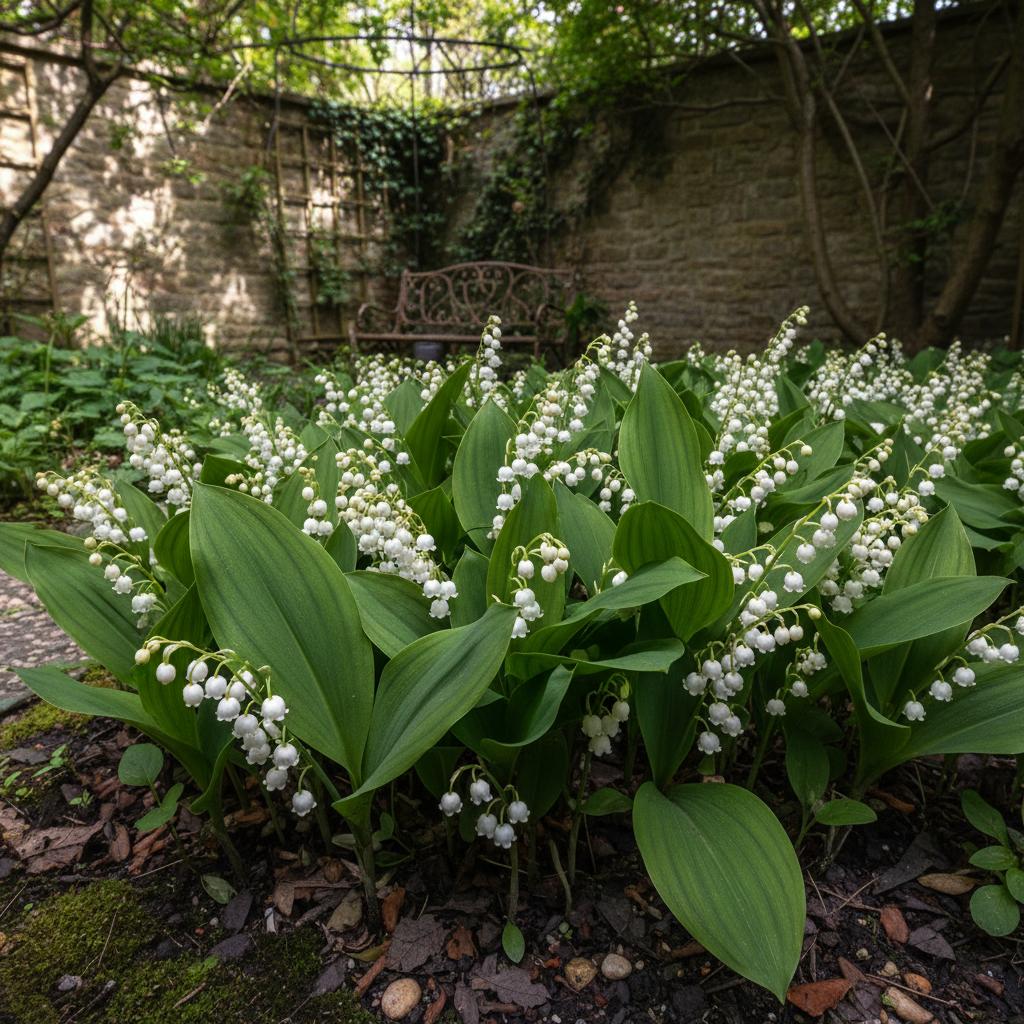
- • Accurately identify all plants in living spaces and pastures to avoid confusion with toxic lookalike species
- • Discourage excessive chewing of any landscape/house plants even if classified non-toxic
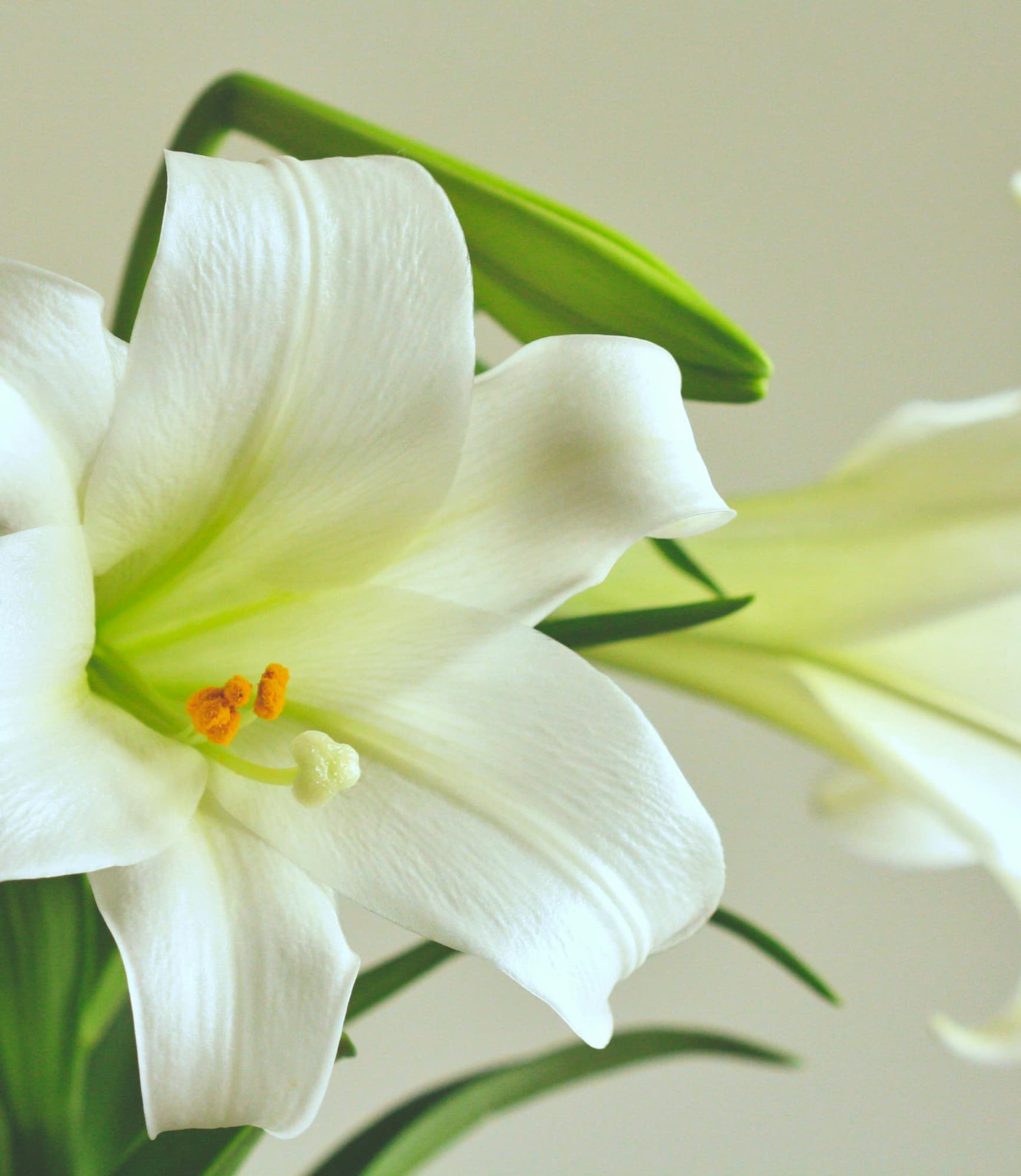
- • Store confirmed toxic Liliaceae family plants out of reach of children, pets, and grazing livestock
Treatment & Prognosis
- • Supportive care only if mild gastrointestinal upset occurs after ingestion of large volumes
- • No specific antidote is required as no toxic compounds are present in the species
- • Administer small amounts of fresh water to reduce mild throat or mouth irritation if reported
Professional Toxicology
• No toxic mechanism of action identified, as the species contains no pharmacologically active harmful compounds for humans or common domestic animals
Information from CliniTox veterinary text.
The following plants look similar and may be confused:
Related Toxic Plants

Download PlantFun App
Identify, grow and care for plants effectively!
Instant Plant ID
Take a photo to quickly identify plants.
Smart Care Reminders
Generate watering and care schedules.
Toxicity & Disease Diagnosis
Identify toxic plants and pests with treatment advice.

Data Sources
This information is for reference only and does not constitute medical advice. If ingestion or poisoning is suspected, seek medical or veterinary attention immediately.