 PlantFun
Alpine squill Toxic?

Contains saponins across all plant parts (highest in bulbs and seeds) and low levels of cardiac-active steroid glycosides
No confirmed human or animal poisoning cases have been recorded in available clinical literature
Despite no documented toxicity reports, the plant is explicitly not recommended for use as animal feed
FAQ
Is Alpine squill toxic to Humans?
Potential symptoms if large amounts are ingested may include vomiting, colic, diarrhea, bradycardia, and arrhythmia; no confirmed poisoning cases reported (Low)
Is Alpine squill toxic to Cats?
Potential symptoms if large amounts are ingested may include vomiting, colic, diarrhea, bradycardia, and arrhythmia; no confirmed poisoning cases reported (Low)
Is Alpine squill toxic to Dogs?
Potential symptoms if large amounts are ingested may include vomiting, colic, diarrhea, bradycardia, and arrhythmia; no confirmed poisoning cases reported (Low)
Is Alpine squill toxic to Horses?
Potential symptoms if large amounts are ingested may include vomiting, colic, diarrhea, bradycardia, and arrhythmia; no confirmed poisoning cases reported (Low)
Toxicity Details
Potential symptoms if large amounts are ingested may include vomiting, colic, diarrhea, bradycardia, and arrhythmia; no confirmed poisoning cases reported
Potential symptoms if large amounts are ingested may include vomiting, colic, diarrhea, bradycardia, and arrhythmia; no confirmed poisoning cases reported
Potential symptoms if large amounts are ingested may include vomiting, colic, diarrhea, bradycardia, and arrhythmia; no confirmed poisoning cases reported
Potential symptoms if large amounts are ingested may include vomiting, colic, diarrhea, bradycardia, and arrhythmia; no confirmed poisoning cases reported
Toxicity Snapshot
First Aid & Prevention
First 30 Minutes
- • Induce vomiting immediately if the affected individual (human/animal) is conscious and alert after confirmed ingestion
- • Remove all remaining plant material from the mouth and surrounding area to prevent further consumption
- • Avoid administering food, water, or home remedies unless instructed by a medical or veterinary professional
Contact Vet Immediately
- • If ingestion of large quantities of the plant (especially bulbs/seeds) is confirmed
- • If symptoms including vomiting, diarrhea, colic, lethargy, or abnormal heart rate develop
- • If the affected animal has a pre-existing cardiac condition
Prevention
- • Do not plant Alpine squill in areas accessible to grazing livestock, household pets, or young children
- • Clearly label all Scilla species to avoid confusion with edible plants such as chives
- • Never use any part of Scilla bifolia as feed for livestock or companion animals
Treatment & Prognosis
- • Administer decontamination measures such as activated carbon to reduce active compound absorption as appropriate
- • Provide symptomatic supportive care for gastrointestinal symptoms (anti-emetics, fluid therapy) if they develop
- • Monitor cardiac function for 12-24 hours post-ingestion if large quantities of the plant are consumed
Professional Toxicology
• Saponins irritate gastrointestinal mucosa, leading to gastrointestinal symptoms if large quantities are consumed
• Cardiac-active steroid glycosides can interfere with normal cardiac function, causing slow heart rate and arrhythmia in extreme cases
Information from CliniTox veterinary text.
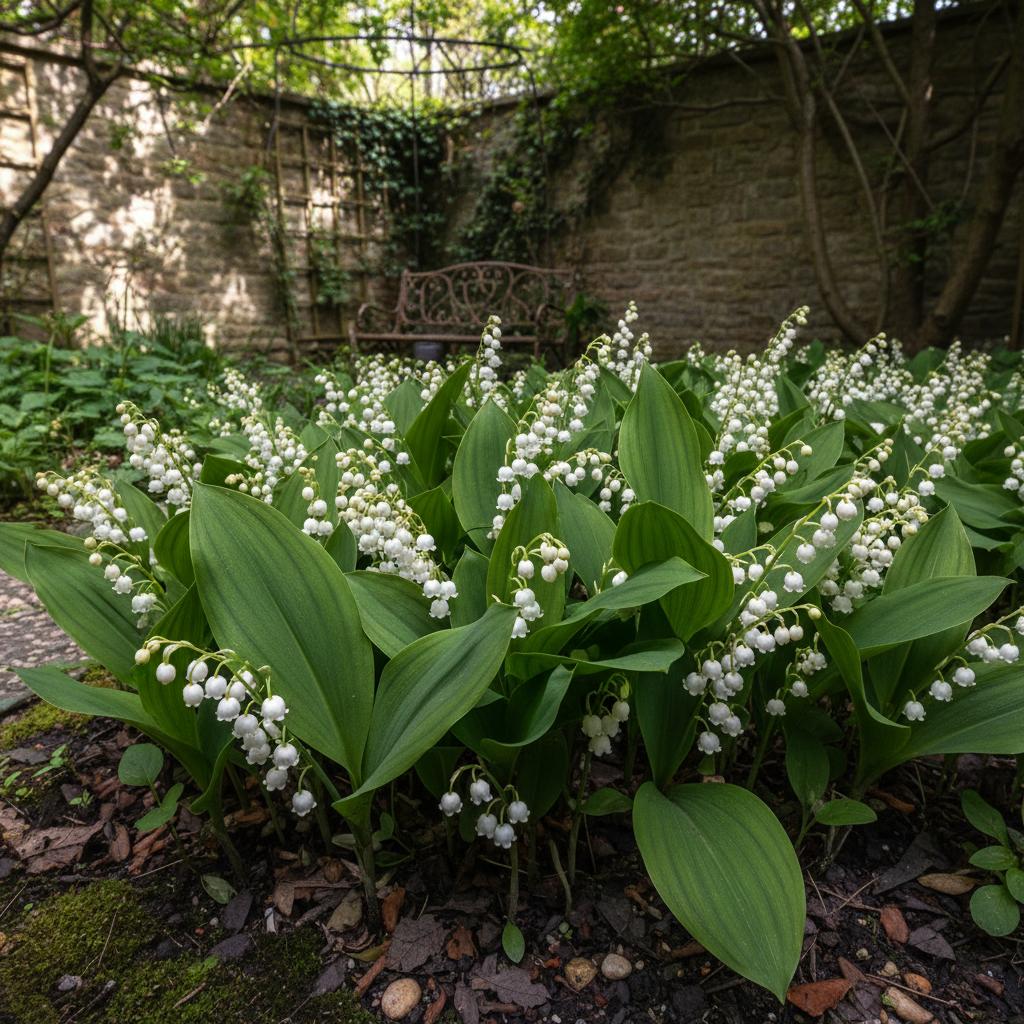
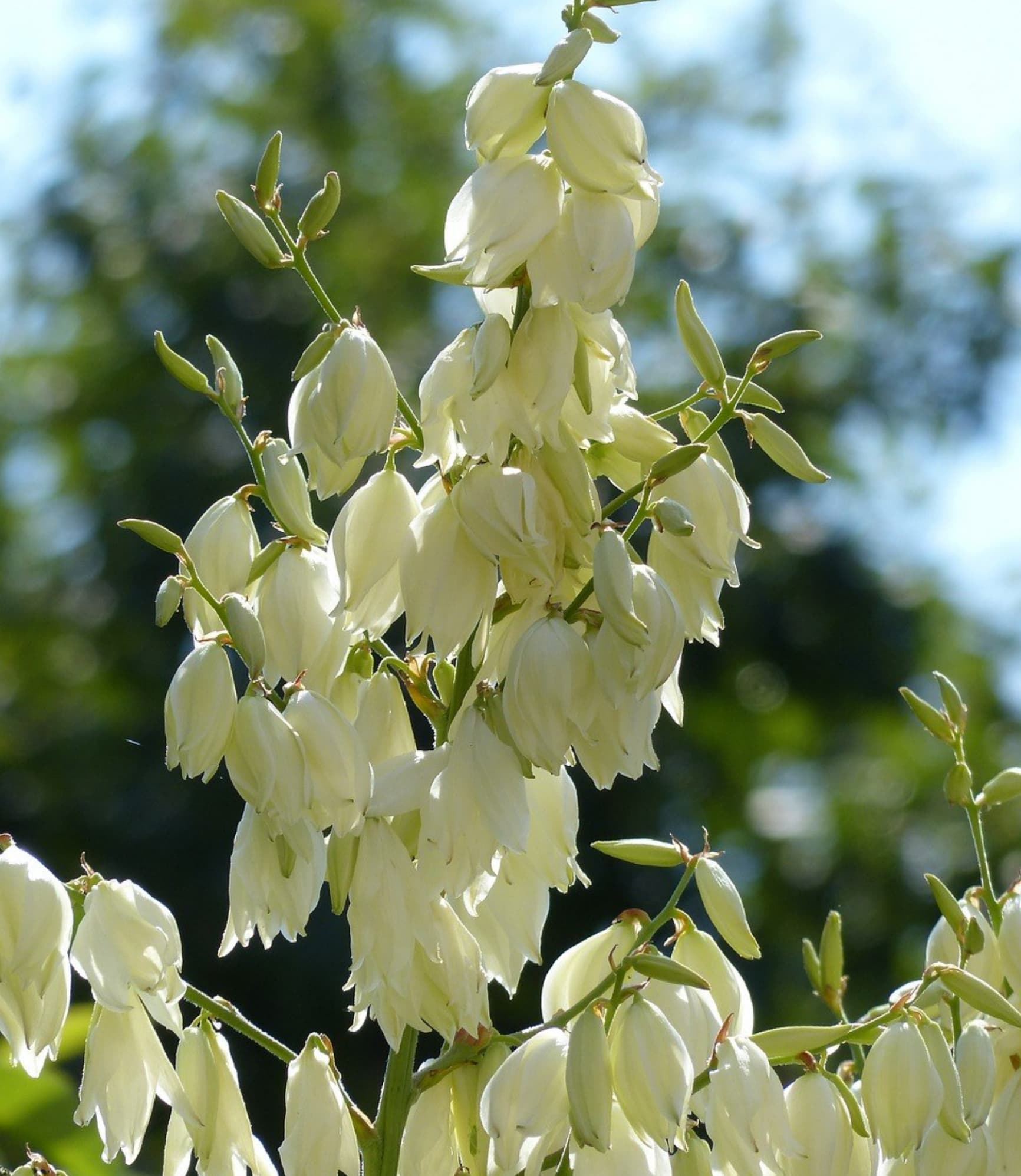
The following plants look similar and may be confused:
Related Toxic Plants

Download PlantFun App
Identify, grow and care for plants effectively!
Instant Plant ID
Take a photo to quickly identify plants.
Smart Care Reminders
Generate watering and care schedules.
Toxicity & Disease Diagnosis
Identify toxic plants and pests with treatment advice.

Data Sources
This information is for reference only and does not constitute medical advice. If ingestion or poisoning is suspected, seek medical or veterinary attention immediately.