 PlantFun
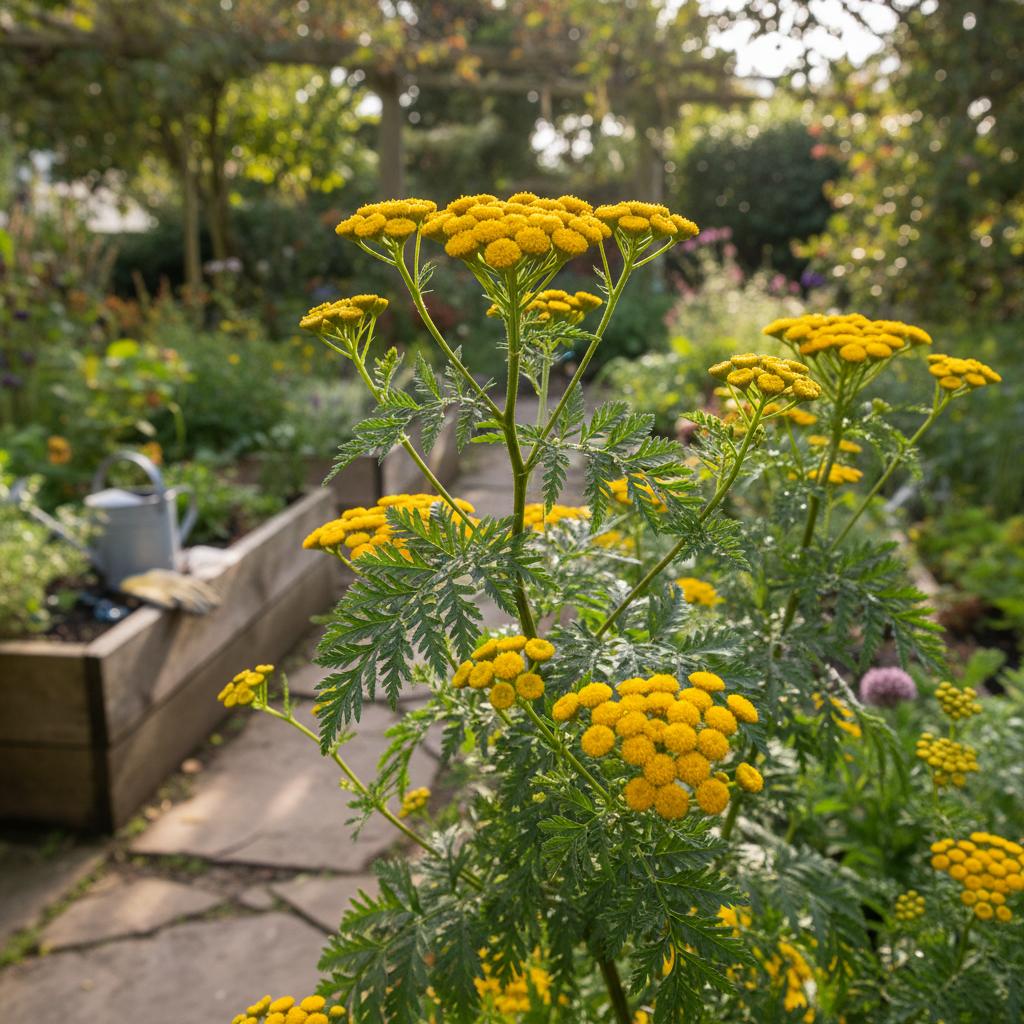
Cutleaf coneflower Toxic?

All parts of Rudbeckia laciniata are toxic, classified as Moderate toxicity per CliniTox standards
Ingestion causes neurological, respiratory and gastrointestinal symptoms, and may be fatal to small mammals like rabbits and guinea pigs
It is easily confused with multiple non-toxic related species, as well as highly toxic Pericallis hybrids
FAQ
Is Cutleaf coneflower toxic to Humans?
No confirmed human toxicity or symptom data available from the provided sources (Unknown)
Is Cutleaf coneflower toxic to Cats?
No confirmed cat toxicity or symptom data available from the provided sources (Unknown)
Is Cutleaf coneflower toxic to Dogs?
No confirmed dog toxicity or symptom data available from the provided sources (Unknown)
Is Cutleaf coneflower toxic to Horses?
No confirmed horse toxicity or symptom data available from the provided sources (Unknown)
Toxicity Details
No confirmed human toxicity or symptom data available from the provided sources
No confirmed cat toxicity or symptom data available from the provided sources
No confirmed dog toxicity or symptom data available from the provided sources
No confirmed horse toxicity or symptom data available from the provided sources
Toxicity Snapshot
First Aid & Prevention
First 30 Minutes
- • If ingestion is confirmed and the subject is conscious, safely remove remaining plant material from the mouth to prevent further intake
- • Do not induce vomiting or administer food/water unless explicitly guided by a veterinary or medical professional
- • Move the exposed subject to a calm, safe area to monitor for early symptom onset
Contact Vet Immediately
- • If abnormal symptoms appear after suspected ingestion, including ataxia, excessive salivation, abdominal pain or rapid breathing
- • If ingestion of a large quantity of the plant is confirmed even if no symptoms are present
- • If the exposed subject is livestock, a small pet, or a vulnerable individual
Prevention
- • Avoid planting Rudbeckia laciniata in areas accessible to livestock, pets or young children
- • Learn to distinguish this species from visually similar non-toxic Asteraceae plants to reduce misidentification risk
- • Do not feed unknown composite flowers to livestock or pets
Treatment & Prognosis
- • Perform appropriate decontamination procedures tailored to the exposed species
- • Administer symptomatic therapy to address respiratory distress, pain, dehydration and other presenting symptoms
- • Monitor food and water intake of exposed livestock for at least 14 days post-exposure
Professional Toxicology
• The exact toxic mechanism is not fully documented in the provided dataset
• Harmful polyine and sequiterpene compounds are responsible for the observed neurological, respiratory and gastrointestinal symptoms
Information from CliniTox veterinary text.
The following plants look similar and may be confused:
Related Toxic Plants


Download PlantFun App
Identify, grow and care for plants effectively!
Instant Plant ID
Take a photo to quickly identify plants.
Smart Care Reminders
Generate watering and care schedules.
Toxicity & Disease Diagnosis
Identify toxic plants and pests with treatment advice.

Data Sources
This information is for reference only and does not constitute medical advice. If ingestion or poisoning is suspected, seek medical or veterinary attention immediately.