 PlantFun
Blackberry Toxic?

Blackberry is confirmed non-toxic for humans, cats, dogs, and horses per standard botanical toxicology references
Ripe blackberry fruits are fully edible and safe for consumption by both people and common domestic pets/livestock
There is a known risk of confusion with other morphologically similar Rubus species growing in the wild
FAQ
Is Blackberry toxic to Humans?
No known toxic symptoms from normal ingestion. Rare mild transient gastrointestinal upset may occur with extreme overconsumption, and thorn pricks can cause local physical irritation (Non-toxic)
Is Blackberry toxic to Cats?
No known toxic symptoms from normal ingestion. Rare mild transient gastrointestinal upset may occur with extreme overconsumption, and thorn pricks can cause local physical irritation (Non-toxic)
Is Blackberry toxic to Dogs?
No known toxic symptoms from normal ingestion. Rare mild transient gastrointestinal upset may occur with extreme overconsumption, and thorn pricks can cause local physical irritation (Non-toxic)
Is Blackberry toxic to Horses?
No known toxic symptoms from normal ingestion. Rare mild transient gastrointestinal upset may occur with extreme overconsumption, and thorn pricks can cause local physical irritation (Non-toxic)
Toxicity Details
No known toxic symptoms from normal ingestion. Rare mild transient gastrointestinal upset may occur with extreme overconsumption, and thorn pricks can cause local physical irritation
No known toxic symptoms from normal ingestion. Rare mild transient gastrointestinal upset may occur with extreme overconsumption, and thorn pricks can cause local physical irritation
No known toxic symptoms from normal ingestion. Rare mild transient gastrointestinal upset may occur with extreme overconsumption, and thorn pricks can cause local physical irritation
No known toxic symptoms from normal ingestion. Rare mild transient gastrointestinal upset may occur with extreme overconsumption, and thorn pricks can cause local physical irritation
Toxicity Snapshot
First Aid & Prevention
First 30 Minutes
- • Clean any thorn prick wounds thoroughly with soap and water to prevent infection
- • Offer small sips of water if overconsumption leads to mild stomach discomfort
- • No emergency toxic response is required for typical ingestion of blackberry plant parts
Contact Vet Immediately
- • Persistent gastrointestinal upset lasting longer than 24 hours after ingestion
- • Signs of infection (redness, swelling, discharge) at a thorn prick site on your pet
- • Unusual symptoms after ingestion of an unidentified wild Rubus species mistaken for blackberry
Prevention
- • Wear protective gloves when handling wild blackberry plants to avoid thorn pricks
- • Confirm full identification of wild Rubus species before consumption to avoid misidentification risks
- • Limit access to large quantities of blackberries for pets to prevent mild overconsumption-related stomach upset
Treatment & Prognosis
- • Supportive care including fluid administration for rare cases of mild gastrointestinal upset from overconsumption
- • Wound care and antibiotic treatment if thorn prick sites develop infection
- • No specific antidote is required as no toxic effects are linked to this plant species
Professional Toxicology
• No toxic mechanism identified, as the plant does not produce harmful concentrations of toxic phytochemicals
Information from CliniTox veterinary text.
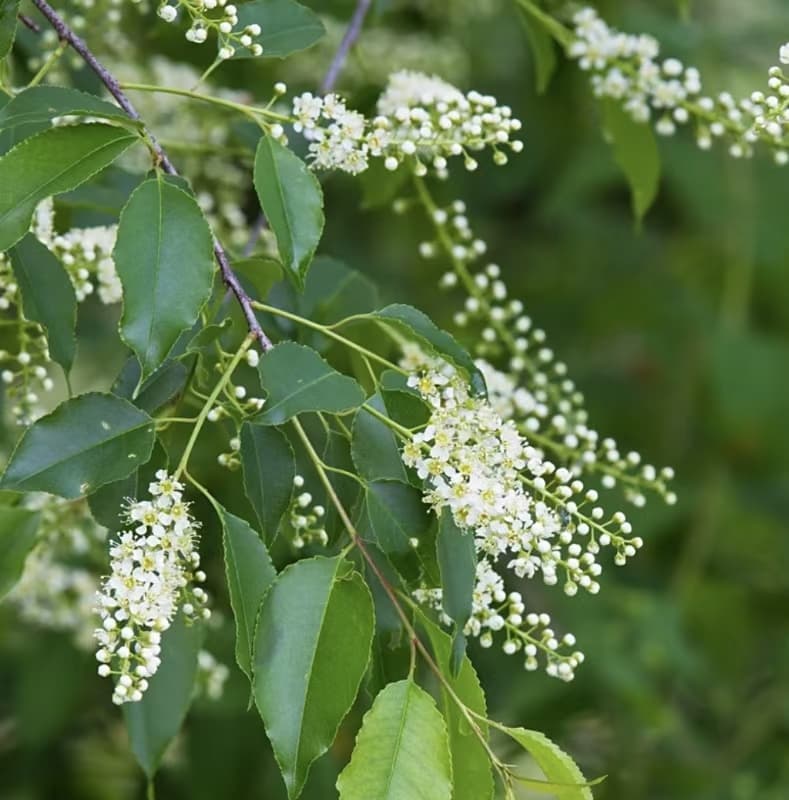
The following plants look similar and may be confused:
Related Toxic Plants


Download PlantFun App
Identify, grow and care for plants effectively!
Instant Plant ID
Take a photo to quickly identify plants.
Smart Care Reminders
Generate watering and care schedules.
Toxicity & Disease Diagnosis
Identify toxic plants and pests with treatment advice.

Data Sources
This information is for reference only and does not constitute medical advice. If ingestion or poisoning is suspected, seek medical or veterinary attention immediately.