 PlantFun
Solomon's seal Toxic?

All plant parts are toxic, with berries presenting the highest poisoning risk
Ingestion leads to gastrointestinal symptoms including vomiting, diarrhea, and abdominal colic
Berries are easily confused with edible blueberries due to overlapping ripening periods
FAQ
Is Solomon's seal toxic to Humans?
Vomiting, diarrhea, abdominal colic (Moderate)
Is Solomon's seal toxic to Cats?
Vomiting, diarrhea, abdominal colic, lethargy (Moderate)
Is Solomon's seal toxic to Dogs?
Vomiting, diarrhea, abdominal colic, lethargy (Moderate)
Is Solomon's seal toxic to Horses?
Vomiting, diarrhea, abdominal colic, reduced appetite (Moderate)
Toxicity Details
Vomiting, diarrhea, abdominal colic
Vomiting, diarrhea, abdominal colic, lethargy
Vomiting, diarrhea, abdominal colic, lethargy
Vomiting, diarrhea, abdominal colic, reduced appetite
Toxicity Snapshot
First Aid & Prevention
First 30 Minutes
- • Rinse mouth thoroughly to remove any remaining plant material
- • Induce vomiting only if ingestion occurred within 15 minutes and the affected individual is fully conscious
- • Collect a sample of the ingested plant for formal identification
Contact Vet Immediately
- • If vomiting, diarrhea, or colic develop after ingestion
- • If a large quantity of the plant or berries was consumed
- • If the affected individual is a young child, small pet, or foal
Prevention
- • Do not forage wild berries unless you can definitively distinguish Solomon's seal berries from edible blueberries
- • Keep ornamental Solomon's seal plants out of reach of pets and young children
- • Educate foragers on the visual characteristics of toxic Polygonatum species
Treatment & Prognosis
- • Administer decontamination measures such as activated charcoal as directed by a medical or veterinary professional
- • Provide symptomatic care including fluid replacement and pain management for colic symptoms
- • Monitor for signs of severe gastrointestinal distress for 24 to 48 hours post-ingestion
Professional Toxicology
• Steroid saponins irritate the gastrointestinal mucosa, causing inflammation and triggering gastrointestinal distress symptoms
Information from CliniTox veterinary text.
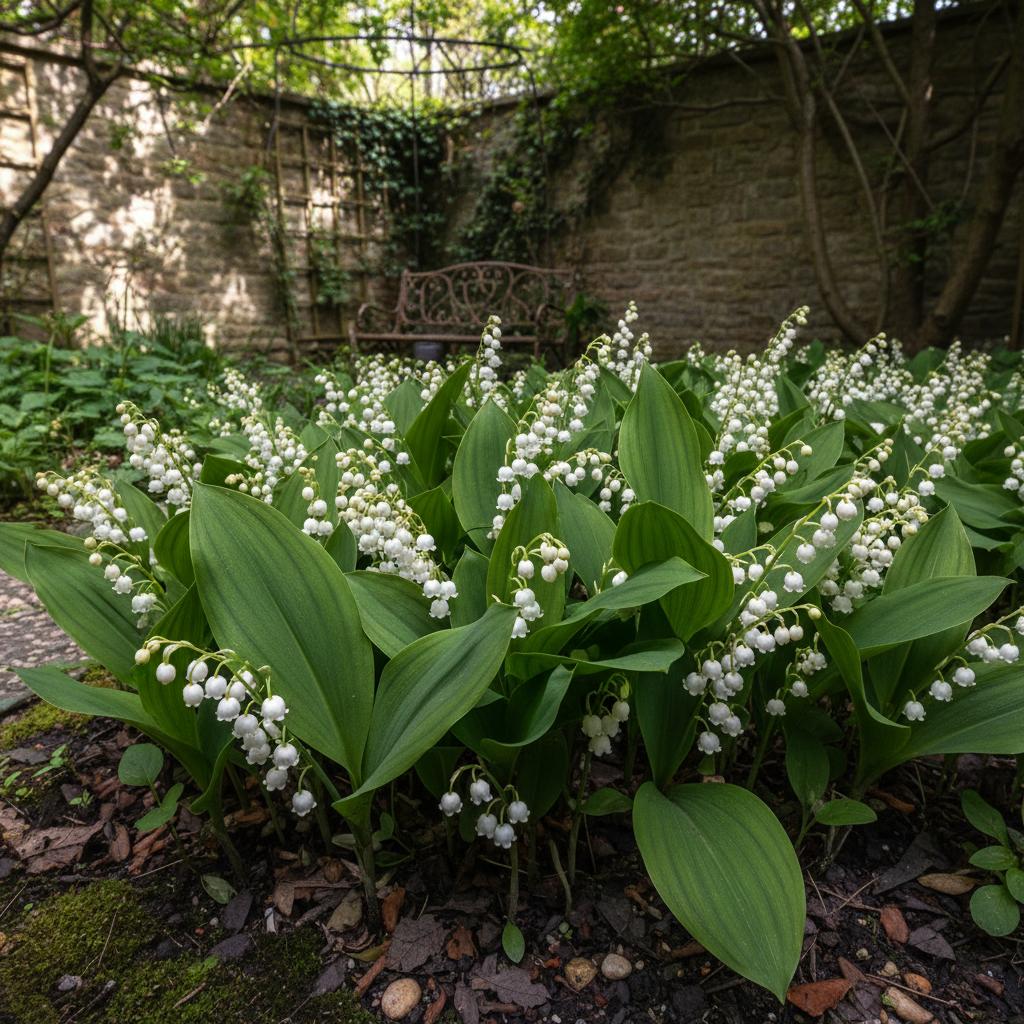
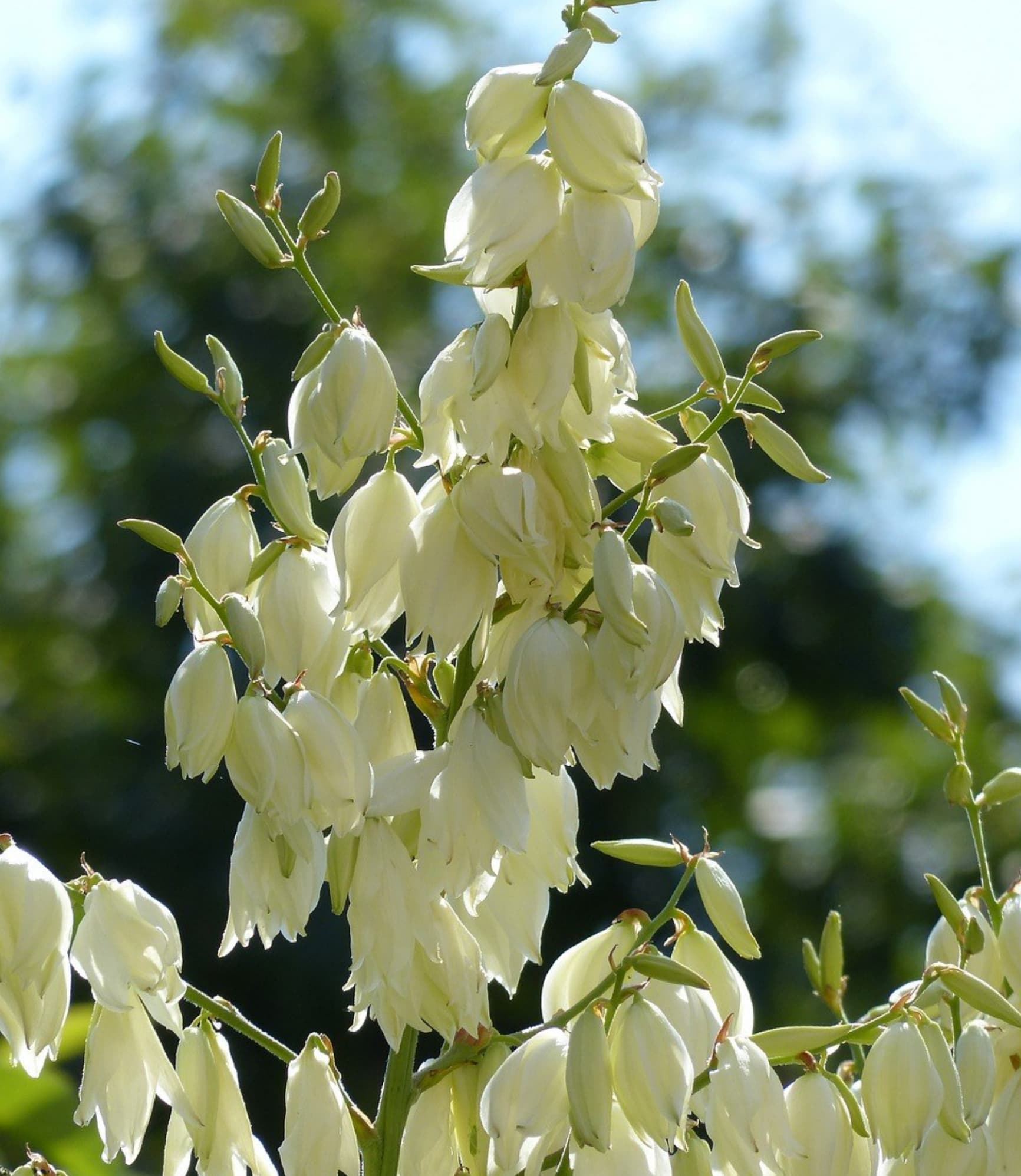
The following plants look similar and may be confused:
Related Toxic Plants

Download PlantFun App
Identify, grow and care for plants effectively!
Instant Plant ID
Take a photo to quickly identify plants.
Smart Care Reminders
Generate watering and care schedules.
Toxicity & Disease Diagnosis
Identify toxic plants and pests with treatment advice.

Data Sources
This information is for reference only and does not constitute medical advice. If ingestion or poisoning is suspected, seek medical or veterinary attention immediately.