 PlantFun
Pink spur flower Toxic?
Toxins are verified present in all plant parts, even though no formal animal poisoning cases are on record
The plant is explicitly not suitable for use as feed for any pets, livestock, or working animals
It carries a misidentification risk with other Jasminum species that may have different toxicity profiles
FAQ
Is Pink spur flower toxic to Humans?
No documented adverse symptoms reported in clinical literature to date (Non-toxic)
Is Pink spur flower toxic to Cats?
No documented adverse symptoms reported in clinical literature to date (Low)
Is Pink spur flower toxic to Dogs?
No documented adverse symptoms reported in clinical literature to date (Low)
Is Pink spur flower toxic to Horses?
No documented adverse symptoms reported in clinical literature to date (Low)
Toxicity Details
No documented adverse symptoms reported in clinical literature to date
No documented adverse symptoms reported in clinical literature to date
No documented adverse symptoms reported in clinical literature to date
No documented adverse symptoms reported in clinical literature to date
Toxicity Snapshot
First Aid & Prevention
First 30 Minutes
- • Immediately remove any remaining plant material from the mouth of the exposed individual/animal
- • Rinse the mouth thoroughly with clean, cool water to eliminate residual plant matter
- • Monitor closely for unusual symptoms for 24 hours post-exposure
Contact Vet Immediately
- • If your cat, dog, or horse ingests any quantity of this plant, even if no symptoms appear immediately
- • If unusual symptoms like vomiting, lethargy, or appetite loss develop after potential exposure
- • If a large volume of the plant is confirmed to have been consumed by any animal
Prevention
- • Keep the plant out of reach of pets and horses, and avoid planting it in grazing areas
- • Never harvest or feed this plant to any companion animal or livestock as forage or a treat
- • Learn distinguishing features of this plant to avoid confusion with similar Jasminum species
Treatment & Prognosis
- • Symptom-specific supportive care is the primary recommended treatment approach
- • Decontamination (induced vomiting, activated charcoal) may be used for recent large ingestions under veterinary supervision
- • No specific antidote exists for toxins in this species, so symptomatic management is standard
Professional Toxicology
• Specific toxic mechanism of action has not been characterized in published toxicology studies to date
Information from CliniTox veterinary text.
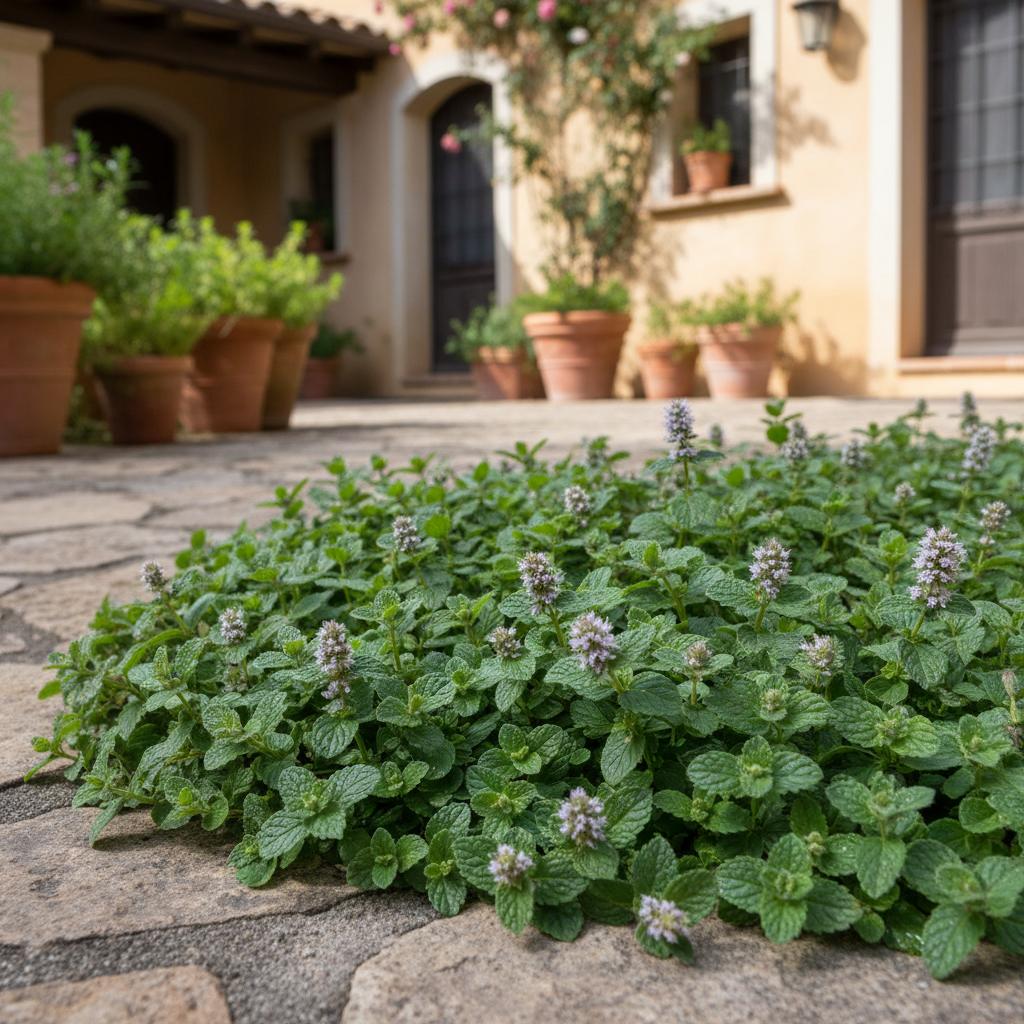
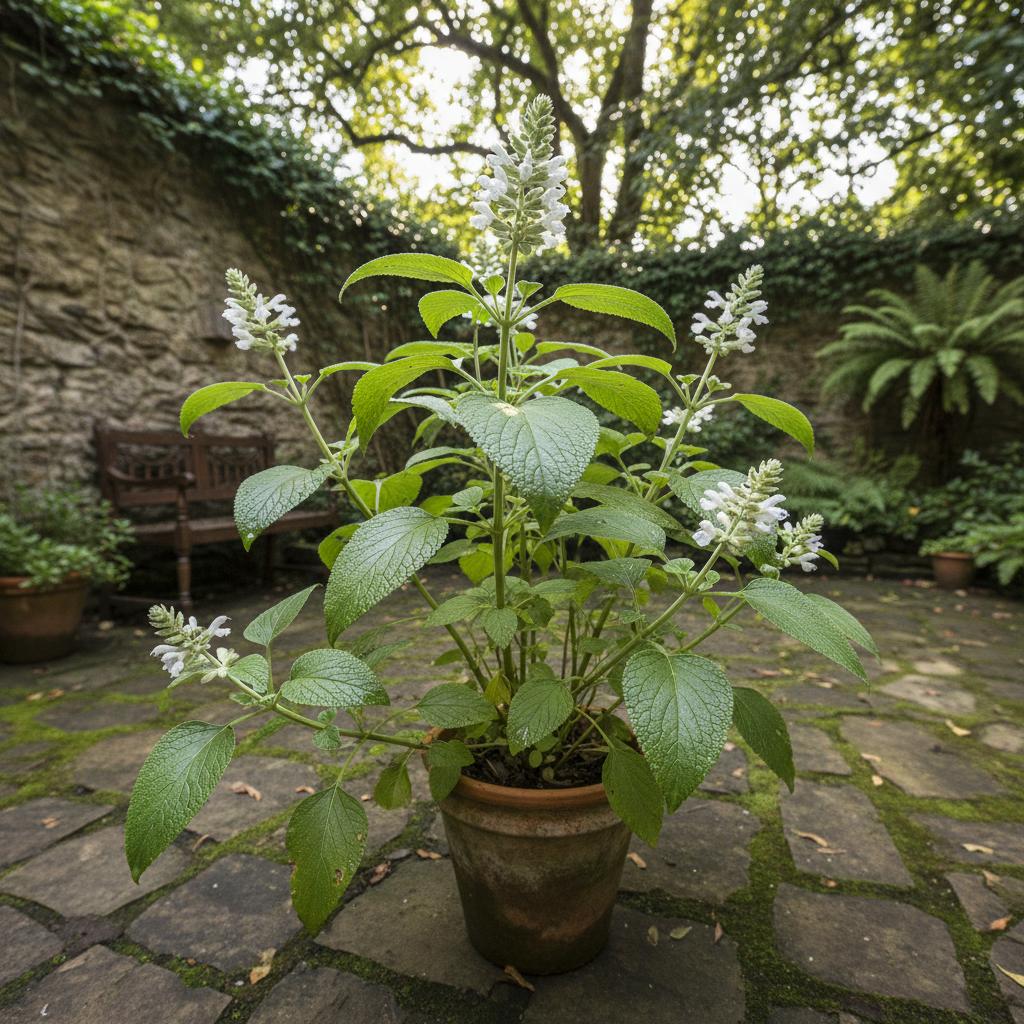
The following plants look similar and may be confused:
Related Toxic Plants

Download PlantFun App
Identify, grow and care for plants effectively!
Instant Plant ID
Take a photo to quickly identify plants.
Smart Care Reminders
Generate watering and care schedules.
Toxicity & Disease Diagnosis
Identify toxic plants and pests with treatment advice.

Data Sources
This information is for reference only and does not constitute medical advice. If ingestion or poisoning is suspected, seek medical or veterinary attention immediately.