 PlantFun
Anise Toxic?
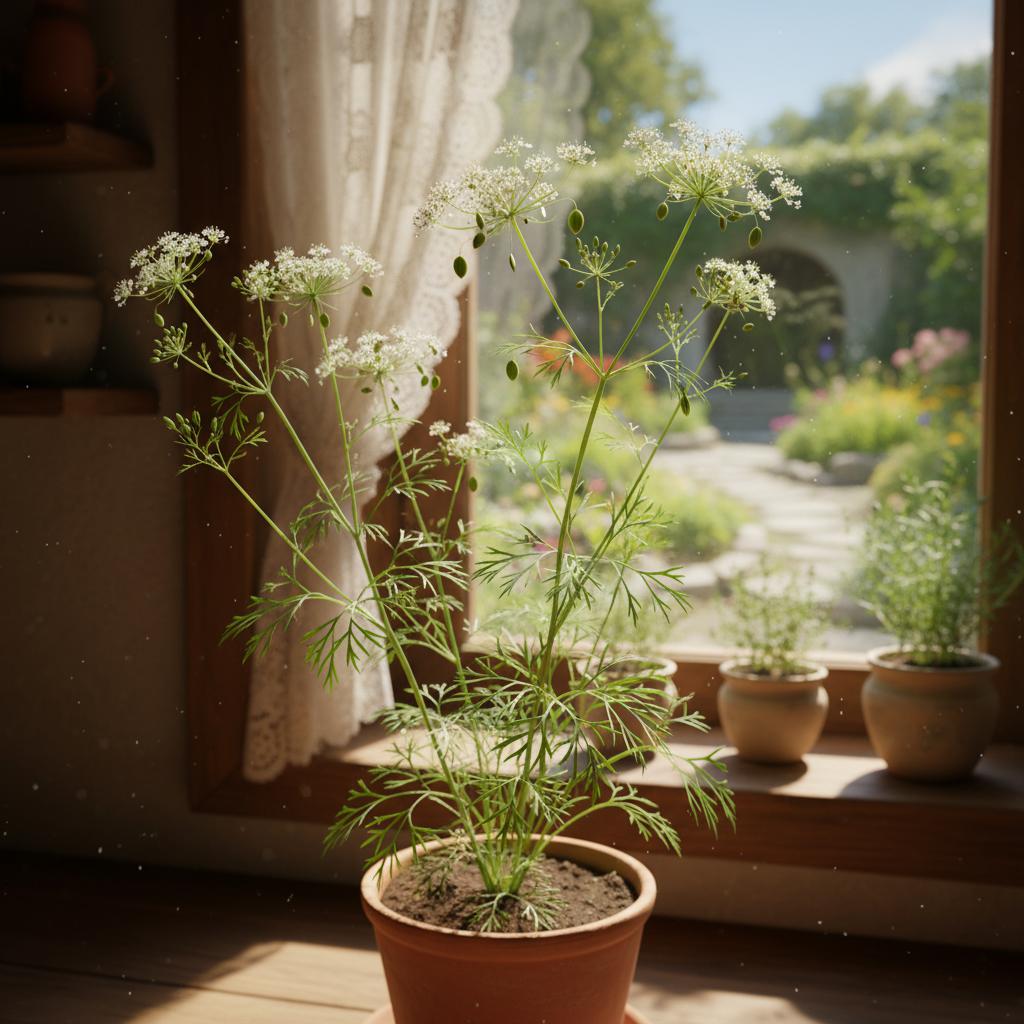
Genuine Pimpinella anisum is confirmed non-toxic to humans, cats, dogs, and horses per peer-reviewed toxicology literature.
Severe, potentially fatal poisoning risk arises exclusively from misidentification of anise as toxic lookalike species in the Apiaceae family.
Any suspected ingestion of misidentified toxic Apiaceae plants requires immediate emergency medical or veterinary care.
FAQ
Is Anise toxic to Humans?
No expected adverse symptoms from ingestion of correctly identified anise. Nausea, vomiting, seizures, or respiratory distress indicate likely ingestion of a toxic lookalike. (Non-toxic)
Is Anise toxic to Cats?
No expected toxicity symptoms from genuine anise ingestion. Lethargy, vomiting, tremors, or seizures indicate exposure to a toxic lookalike. (Non-toxic)
Is Anise toxic to Dogs?
No expected toxicity symptoms from genuine anise ingestion. Gastrointestinal distress, tremors, or seizures indicate exposure to a toxic lookalike. (Non-toxic)
Is Anise toxic to Horses?
No expected toxicity symptoms from genuine anise ingestion. Colic, tremors, or neurological signs indicate exposure to a toxic lookalike. (Non-toxic)
Toxicity Details
No expected adverse symptoms from ingestion of correctly identified anise. Nausea, vomiting, seizures, or respiratory distress indicate likely ingestion of a toxic lookalike.
No expected toxicity symptoms from genuine anise ingestion. Lethargy, vomiting, tremors, or seizures indicate exposure to a toxic lookalike.
No expected toxicity symptoms from genuine anise ingestion. Gastrointestinal distress, tremors, or seizures indicate exposure to a toxic lookalike.
No expected toxicity symptoms from genuine anise ingestion. Colic, tremors, or neurological signs indicate exposure to a toxic lookalike.
Toxicity Snapshot
First Aid & Prevention
First 30 Minutes
- • Immediately stop consuming any remaining plant material if you are unsure of its identification.
- • Collect a full sample of the ingested plant (including roots, stems, leaves, and flowers) for formal identification if possible.
- • Rinse mouth thoroughly with clean water to remove any residual plant matter.
Contact Vet Immediately
- • You suspect the ingested plant may be a toxic Apiaceae lookalike rather than genuine anise.
- • Any adverse symptoms (gastrointestinal distress, tremors, seizures, breathing difficulty) develop after ingestion.
- • The ingested plant was foraged from an unconfirmed wild location without expert identification.
Prevention
- • Only consume foraged anise if its identity is 100% confirmed by an experienced, trained forager.
- • Avoid foraging any Apiaceae family plants unless you have specialized training to distinguish toxic lookalikes.
- • Label home-grown anise clearly to avoid accidental mix-up with toxic ornamental Apiaceae species.
Treatment & Prognosis
- • No treatment is required for ingestion of correctly identified genuine anise.
- • For confirmed ingestion of toxic lookalikes, activated charcoal may be administered shortly after exposure to reduce toxin absorption.
- • Supportive care including vital sign monitoring and organ function support will be provided based on the specific toxic plant ingested.
Professional Toxicology
• Genuine Pimpinella anisum contains no known toxic compounds, so no adverse physiological mechanisms are triggered by consumption of correctly identified material.
• Toxic effects only occur from ingestion of misidentified toxic lookalike species, which may contain neurotoxins, photosensitizing compounds, or organ-damaging alkaloids.
Information from CliniTox veterinary text.
The following plants look similar and may be confused:
Related Toxic Plants

Download PlantFun App
Identify, grow and care for plants effectively!
Instant Plant ID
Take a photo to quickly identify plants.
Smart Care Reminders
Generate watering and care schedules.
Toxicity & Disease Diagnosis
Identify toxic plants and pests with treatment advice.

Data Sources
This information is for reference only and does not constitute medical advice. If ingestion or poisoning is suspected, seek medical or veterinary attention immediately.